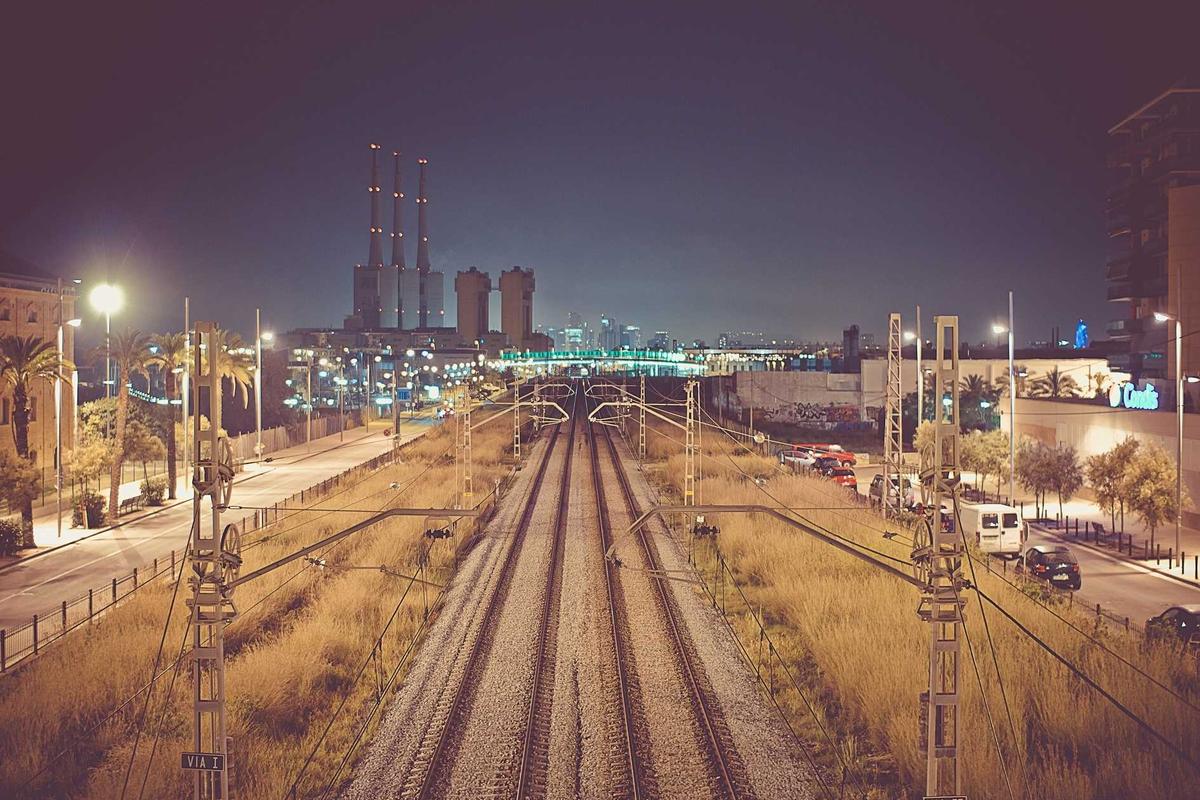
Havana, Cuba. The skyline of this historic city, punctuated by Soviet-era high-rises, has become a symbol of an unfolding energy crisis. Rolling blackouts, now lasting up to 18 hours a day, have left residents in darkness and uncertainty. UK aid agencies, including Oxfam and the British Red Cross, are mobilising assessments of the situation, but the underlying causes are deeply rooted in a convergence of infrastructure decay, economic isolation, and the escalating impacts of climate change.
Cuba's energy grid, largely dependent on imported oil from Venezuela and ageing thermoelectric plants, has been faltering for years. The recent surge in blackouts, however, is unprecedented. The country's power generation capacity has dropped by nearly 30% since 2019, according to official data. This is not merely a technical failure; it is a systemic collapse magnified by extreme weather. Hurricanes, which are becoming more intense due to rising sea surface temperatures, have damaged transmission lines and power stations. The 2022 hurricane season alone caused an estimated $2 billion in damage to the energy infrastructure.
The human cost is stark. Hospitals are running on backup generators, which frequently fail. Refrigeration for medicines, including insulin and vaccines, is compromised. For the average Cuban, life has become a relentless cycle of waiting for power that rarely comes. The blackouts disrupt water pumping, leaving many without clean water. Food spoilage is rampant. The economic impact is equally dire: small businesses cannot operate, and tourism, a vital source of revenue, is plummeting.
UK aid agencies are stepping in, but their role is limited. The British government has pledged £2 million in emergency support, focused on providing solar-powered water pumps and medical equipment. Yet, as Dr. Elena Rodriguez, an energy analyst at the University of Havana, notes: "This is a band-aid on a haemorrhage. The fundamental issue is that Cuba's energy system was built for a different climate. We are now facing conditions that exceed its design parameters."
Indeed, the physics of the crisis is clear. Cuba's average temperature has risen by 0.8°C since 1960, and the frequency of heatwaves has doubled. Higher temperatures increase electricity demand for cooling, while simultaneously reducing the efficiency of thermal power plants. This feedback loop is accelerating. According to the International Energy Agency, for every 1°C rise, the efficiency of a gas turbine drops by 0.6%. Cuba's ageing plants are now operating at 20% lower efficiency than their rated capacity.
The solution, as with many climate-driven crises, lies in an energy transition. Cuba has abundant solar and wind resources, but investment has been stymied by the US embargo and a lack of foreign capital. The UK aid packages include solar panels, but they are a drop in the ocean. To stabilise the grid, Cuba would need to install 500 MW of renewable capacity each year for the next decade. Currently, it installs less than 10 MW per year.
The blackouts are not just a Cuban problem. They are a preview of what a warming world will bring to regions with brittle infrastructure. As the planet warms, the margins of error for our engineered systems shrink. A city's power grid, designed for a stable climate, becomes a fragile web in a world of extremes. The response from the international community must be swift and substantial, not only in aid but in long-term investment. Otherwise, the high-rises of Havana will stand as monuments not of resilience, but of a future we failed to prevent.