The sun has set on Havana’s tourist boom, and the only thing left burning is the collective blood pressure of the Foreign Office. Cuba, that crumbling jewel of cigar smoke and ageing Chevrolet, has watched its tourism industry flatline under renewed US sanctions. The Trump-era policies, now given a fresh coat of Biden’s thunderous indifference, have squeezed the island until its pina coladas run dry. But this is more than a tale of Caribbean woe; it is a stark, gin-soaked parable for every British boardroom dreaming of profit in hostile territories.
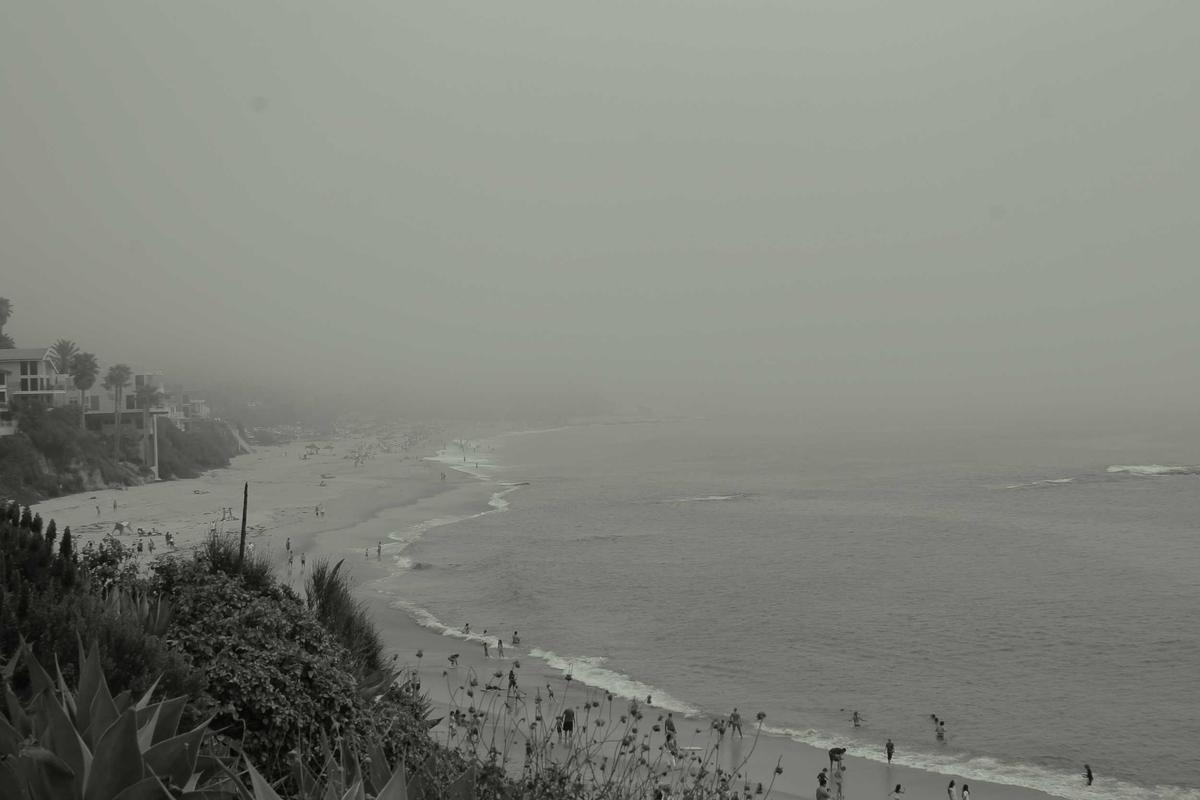
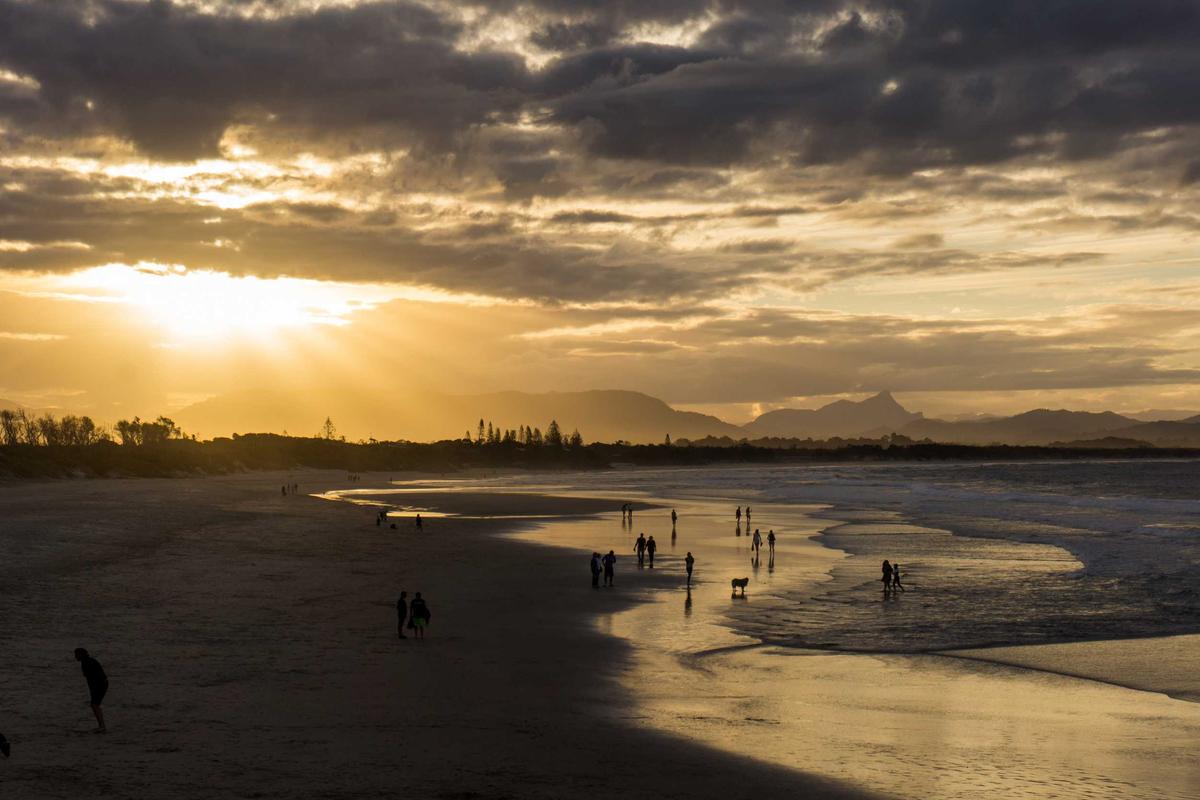
Let us wander, if you will, through the ruins of Varadero’s beaches. Where once German tourists slathered themselves in factor 50 and sang along to ‘Guantanamera’, there is now a damp silence broken only by the rustle of tumbleweed and the quiet weeping of hotel managers. The US embargo, that decades-old zombie policy, has been reanimated with a vengeance. American citizens are banned from spending their dollars on Cuban mojitos, and the ripple effect has drowned the island’s economy. British tour operators, like nervous debutantes at a riot, have pulled their packages. The result: a 40% drop in visitors, and a warning shot across the bow of any British business silly enough to think geopolitics is someone else’s problem.
This is not a story about Cuba. This is a story about the Veni, Vidi, Vici crowd in the City of London. They see a conflict zone, they see an opportunity. They see sanctions as minor irritations, like a wonky table leg. But the Cuban collapse shows that once the US Treasury sets its jaw, the entire global financial system realigns. Banks refuse to process transactions. Insurance premiums skyrocket. Suddenly, that mining contract in a disputed territory looks less like a gold mine and more like a legal albatross.
Take the case of British Energy Holdings, the darlings of the FTSE 100 who thought they could charm their way into Cuban oil fields. They are now sitting on a $300 million investment that is worth less than a used cigar stub. The Foreign Office, that bastion of polite indifference, offers nothing but limp handshakes and vague promises of ‘diplomatic channels’. Meanwhile, the shareholders are left holding the bill for a lesson in political reality.
The warning is clear: if you think profit can outrun politics, you are a fool of the highest order. The British government, so eager to cosy up to America over a shared love of tea and misguided military adventures, will abandon its businesses the moment a Treasury official frowns. There is no cavalry coming. There is no special relationship when your balance sheet is in the red.
Cuba is now a museum of economic hubris. Its empty hotels and silent bars are a monument to the delusion that commerce can transcend conflict. For British businesses eyeing the next ‘emerging market’ in a powder keg, do not look to the Foreign Office for guidance. Look to Havana. Look at the empty beaches. And ask yourself: is your profit margin worth the risk of becoming a ghost?
The answer, as always, is no. But nobody listens until the gin runs out.