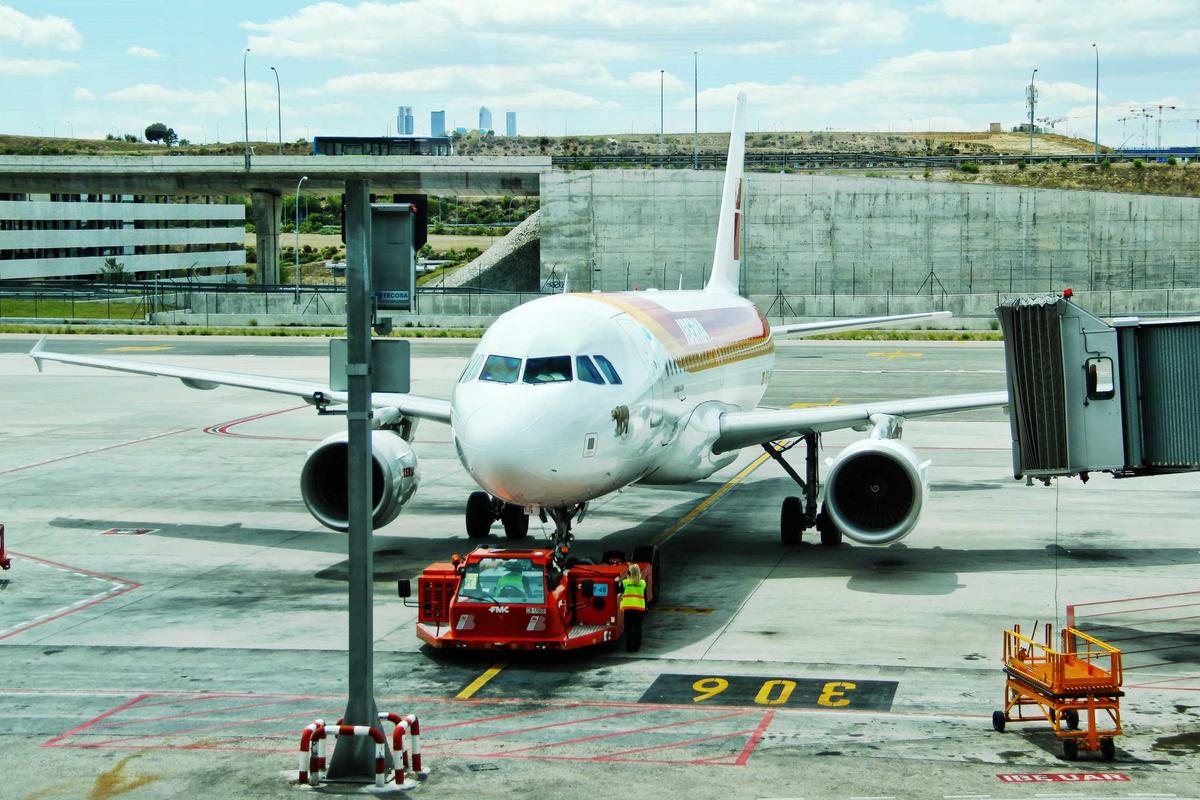
British Airways has pulled the plug on its London-Havana service, a clear sign that the relentless pressure of US sanctions is finally crushing Cuba’s already struggling tourism industry. The route, which was only reinstated in 2022 after a pandemic hiatus, will cease operations from October 27, according to the airline. BA cited a sharp drop in demand following renewed US restrictions and the inability to process dollar transactions as key factors.
The move leaves tourists with fewer direct options to the island nation, which has seen visitor numbers plummet by 34% in the first half of the year compared to pre-pandemic levels. This is not just a blow to Cuban hospitality; it is a brutal reminder that the island’s economic isolation is deepening as Washington tightens the screws. The US sanctions, aimed at starving the Cuban government of revenue, are clearly working from a fiscal perspective, but the human cost is mounting.
Cuba’s tourism sector, once a rare bright spot for the economy, now faces a winter of discontent. Capital flight is accelerating as investors and tour operators look elsewhere, and the Cuban peso continues to weaken against the dollar. The Bank of England’s recent concerns about liquidity risks in emerging markets are also worth noting here.
The cancellation of this route is a microcosm of a larger market failure: when geopolitical risk meets fiscal reality, the invisible hand often operates a thumbscrew. For Cuba, the bottom line is that without a robust tourism sector, the island’s financial viability looks increasingly precarious. The gilt yields may be stable in London, but in Havana, the market is in full flight.