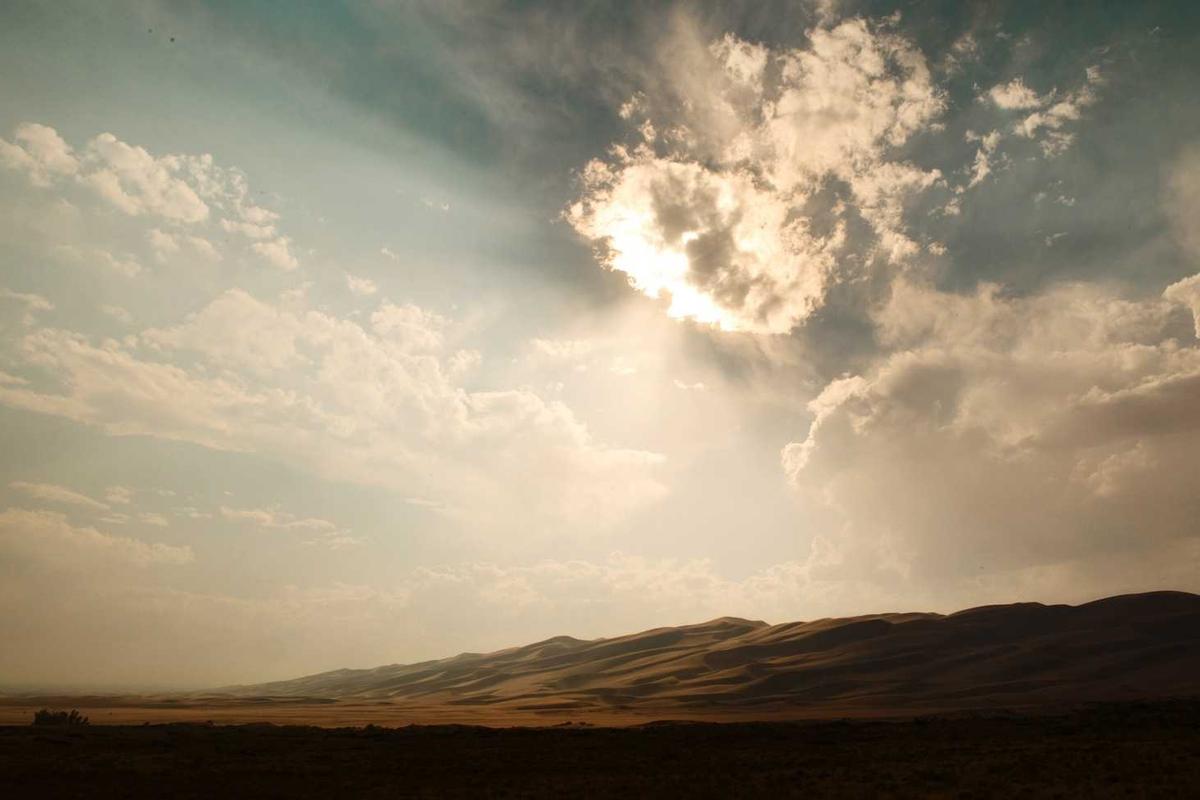
Fifty people. Dead of thirst. The Sahara, that great shimmering expanse of indifference, has claimed yet another desperate caravan. But this is not a natural disaster. This is a failure of the system, a man-made catastrophe unfolding on the margins of our collective conscience.
These were not statistics. They were people fleeing conflict, poverty, the slow suffocation of climate change. They took the only route left to them, the one that runs through the world's most hostile terrain. And the world looked away. The callous arithmetic of migration: if you don't have papers, you don't have water. If you don't have a sponsor, you don't have a chance.
The human cost is stark. Among the dead were families, children, young men chasing a ghost of opportunity. Their bodies will be swallowed by the sands, their names forgotten. But the cultural shift this represents is seismic. We are witnessing the normalisation of preventable death. The desert becomes a graveyard, and we scroll past.
What does this say about us? The global framework for migration, our vaunted safeguards, are revealed as a veneer. They protect the privileged, the documented. For the rest, there is only the desert, the heat, the slow drying of hope. This is not a border crisis; it is a crisis of humanity. And until we acknowledge that every life matters, the Sahara will keep its grim tally.