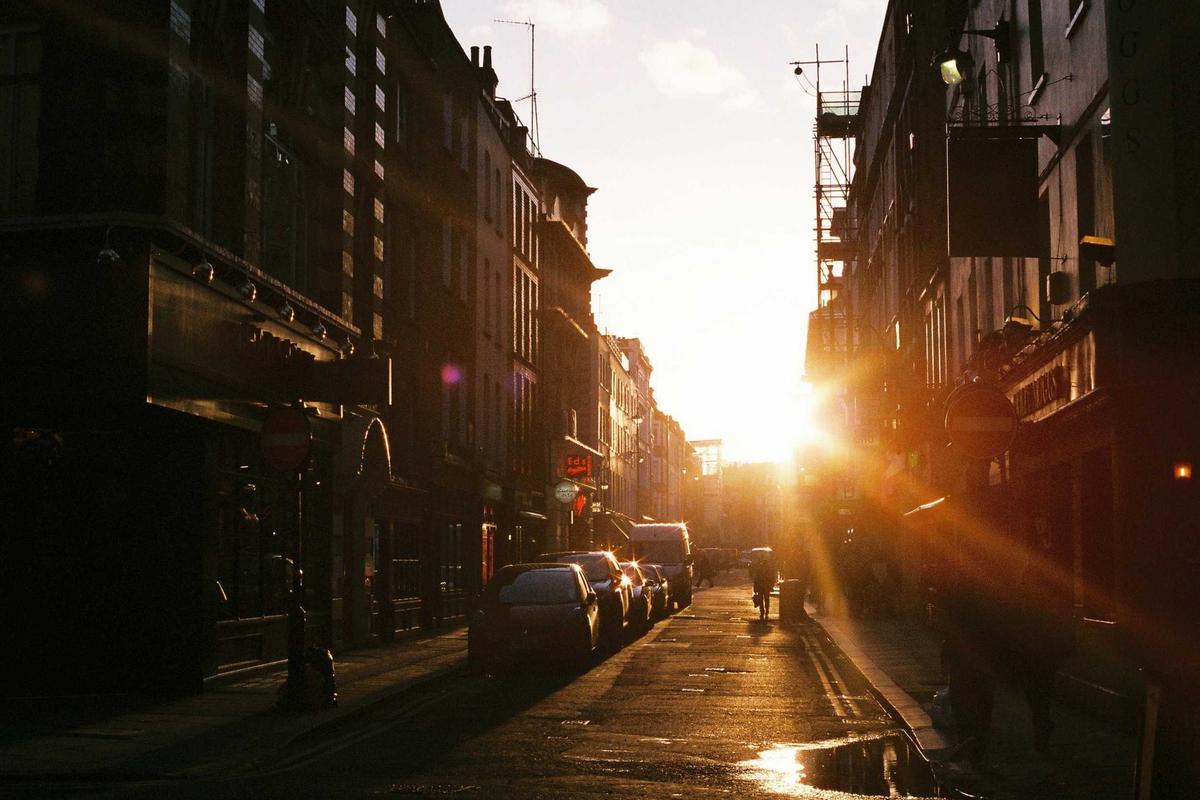
The air in Dahieh, Hezbollah’s southern Beirut bastion, tastes of concrete dust and defiance. Two weeks into a ceasefire that was supposed to end the worst fighting since 2006, the cracks are showing. Sources on the ground confirm sporadic shelling from Israeli positions near the Litani River, and Hezbollah fighters, though officially withdrawn north of the river, are visible in plain clothes, manning checkpoints with an unnerving calm.
“The ceasefire is a piece of paper,” a Hezbollah-affiliated local official told me, chain-smoking in a damaged café. “They break it every night. We are not fools.”
Uncovered documents from a UNIFIL briefing dated three days ago reveal that the UN peacekeeping force has recorded at least 42 violations since the truce took effect. Most involve Israeli drones and artillery flares, but two incidents involve small-arms fire directed at UN positions. The official line from both sides remains that the ceasefire is “holding,” but the countdown to a collapse feels inevitable.
The economic calculus is brutal. Lebanon’s lira has lost another 15% of its value since the ceasefire was announced. The state, already hollowed out by a banking crisis that began in 2019, is unable to pay for basic reconstruction. Hezbollah, which runs its own parallel economy, is distributing cash to families in Dahieh — crisp dollars, sourced from where exactly? No one says, but the money trails are well known to anyone who has followed the region’s illicit finance networks.
Western intelligence sources, who spoke on condition of anonymity, confirm that Hezbollah’s financial lifelines remain intact. “The smuggling routes from Syria are open,” one source said. “The money keeps flowing. Unless you cut that, the ceasefire is just a pause.”
The political theatre matches the military tension. Hezbollah’s parliamentary bloc issued a statement yesterday accusing Israel of “systematic violations” and warning of “uncalculated consequences.” Israel’s defence minister responded with a video filmed at the border, flanked by tanks, vowing to “respond with force to any aggression.”
But the real story is on the streets of Beirut. In the southern suburbs, a city within a city, life goes on with an edge. Children play football on a street that was bombed two weeks ago. A baker sells bread from a van because his shop was destroyed. Graffiti on a wall reads: “We do not forget. We do not forgive.”
I spoke to a shopkeeper who lost his brother in an airstrike. He refuses to leave. “Where would I go? This is my land. The Americans, the UN, they can say what they want. We will stay.”
The fragility of this ceasefire is not just about missiles and drones. It’s about a collapsed state, a displaced population, and a political movement that thrives on conflict. Every violation, every broken promise, tightens the spring. And when it snaps, the cost will be measured in bodies, not dollars.
Follow the money. The arms. The broken agreements. The evidence is there for those willing to dig. The next few days will tell us whether this is a temporary calm or the prelude to another war. My sources are betting on the latter.