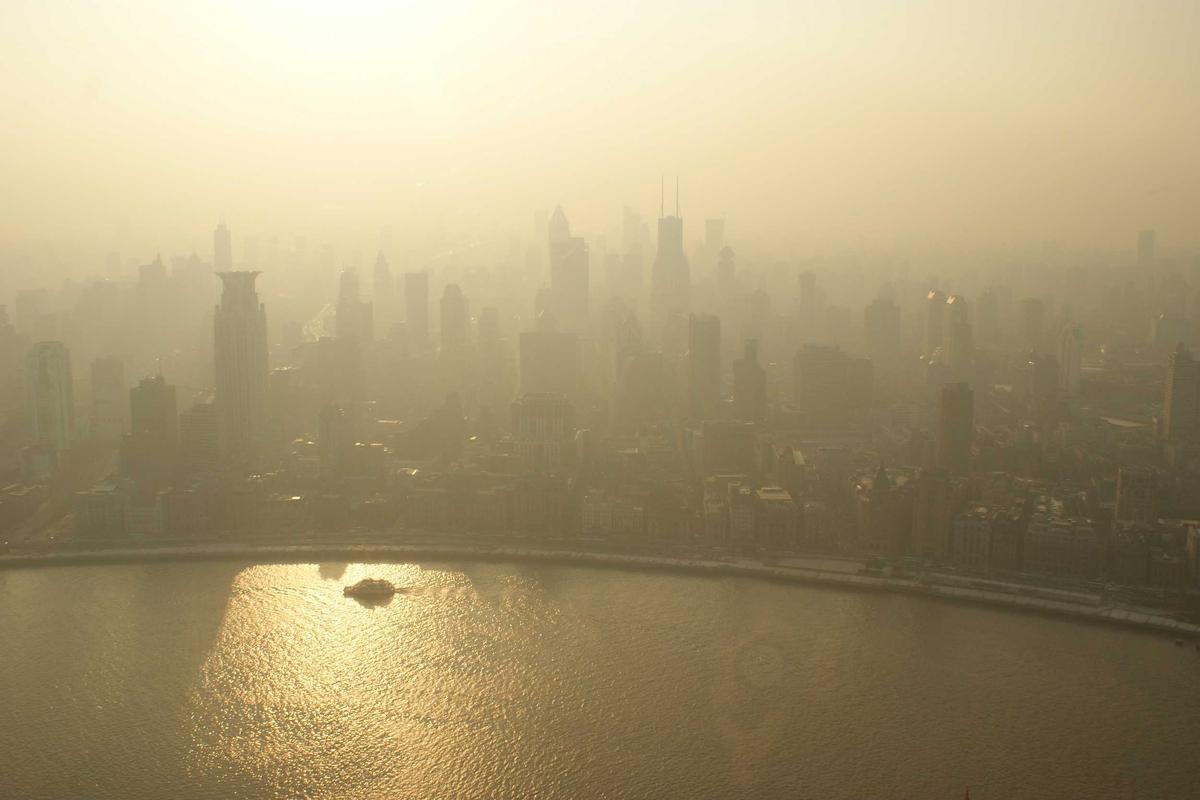
The Indian capital of Delhi has recorded a staggering 45 degrees Celsius, as a brutal heatwave grips the region. The event, which has disrupted daily life and strained infrastructure, has prompted the UK’s High Commissioner to India, Alex Ellis, to issue a stark warning: the climate crisis is no longer a distant threat but a present reality for the Commonwealth.
Speaking from Delhi, Ellis noted that the extreme temperatures are a direct consequence of global warming, driven by continued fossil fuel emissions. He urged Commonwealth nations, which collectively represent nearly a third of the world’s population, to accelerate their energy transitions. “This is a moment of truth,” he said. “We cannot afford to treat climate change as a secondary issue.”
The heatwave is the result of a persistent high-pressure system over northern India, combined with broader climatic shifts. The planet has already warmed by approximately 1.2 degrees Celsius above pre-industrial levels, with each increment increasing the frequency and intensity of such extremes. For Delhi, a city of over 30 million people, the consequences are severe: power grids falter under air conditioning demand, water supplies dwindle, and the most vulnerable populations face life-threatening conditions.
What we are witnessing is a physical reality. The atmosphere acts like a sponge, absorbing more moisture as it warms. This exacerbates both droughts and floods. While Delhi bakes, other parts of India have experienced devastating monsoon rains. This asymmetry is a hallmark of a destabilised climate system.
The scientific community has long predicted such outcomes. Every fraction of a degree of warming loads the dice toward more extreme weather. The question is no longer whether these events will occur, but how often and how severe they will become. Data from the India Meteorological Department shows that the number of heatwave days has increased fivefold since the 1970s.
Despite the urgency, global emissions continue to rise. The International Energy Agency reports that energy-related CO2 emissions hit a record high in 2023. Technological solutions exist: solar and wind power are now cheaper than fossil fuels in most markets, and battery storage is rapidly advancing. However, the pace of deployment remains insufficient. For the Commonwealth, which includes both major emitters like Australia and vulnerable small island states, the path forward must involve both aggressive mitigation and robust adaptation.
Ellis’s warning serves as a call to action for the upcoming Commonwealth Heads of Government Meeting. It is a reminder that the climate emergency does not respect borders. The heatwave over Delhi is not just an Indian problem it is a global signal. The biosphere is sending us a message. We must listen, and we must act with calm urgency. The science is clear. The time for half measures is over.