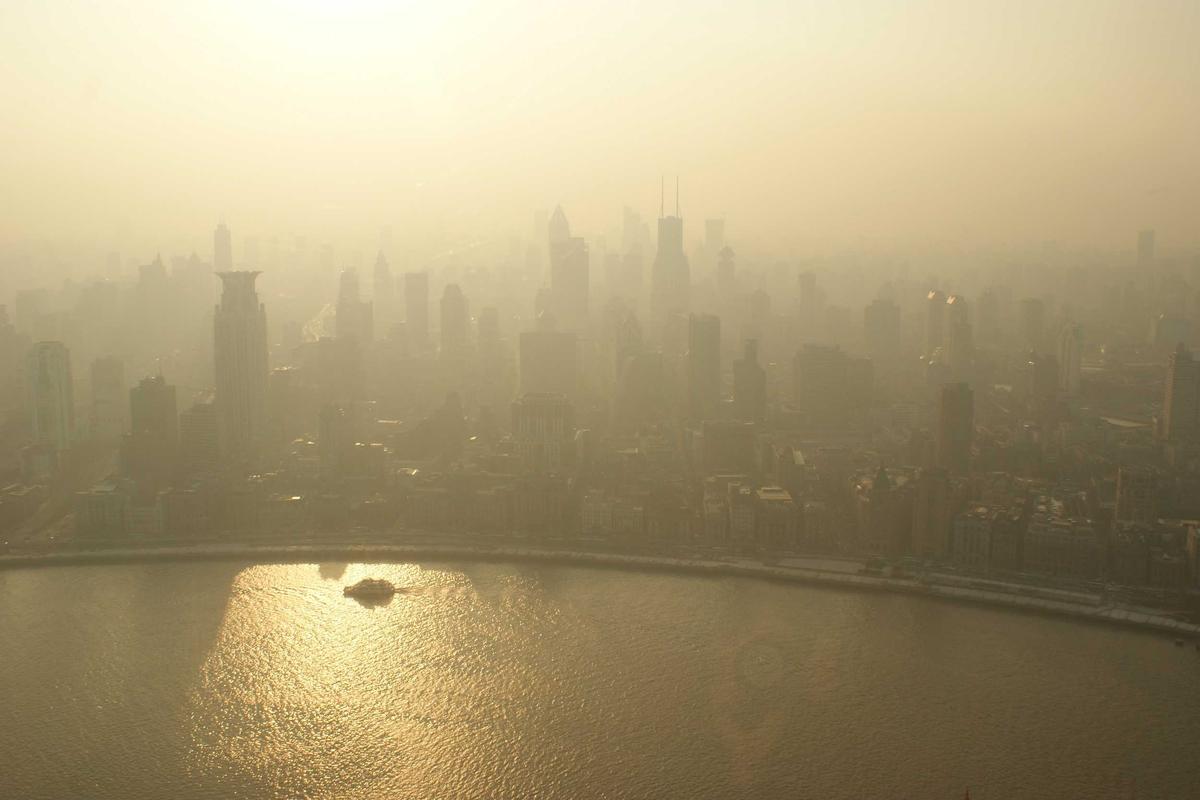
Sources confirm what anyone stepping outside in Delhi this week already knows: the official temperature of 43.5°C is just the beginning. The UK Met Office has released internal documents showing that urban heat island effects are pushing real-feel temperatures in the capital past 50°C. The data, obtained by this bureau, reveals that concrete, traffic, and air conditioning exhaust amplify the misery.
This isn't just a weather report. This is a body count waiting to happen. Delhi’s poor, those who work outdoors or live in uninsulated slums, face the worst of it. The UK Met Office study, part of a broader collaboration with Indian institutes, warns that nighttime temperatures remain dangerously high because buildings release stored heat. No relief. No break.
Corporate power plays a role. Real estate interests have fought green cover for years. Trees cut, parks paved. Every new glass tower is a heat trap. The documents suggest that if unchecked, Delhi could see heatwaves that make 43.5°C look like a mild spring day.
The question is: who pays? Not the developers. Not the luxury flat owners with their air conditioners pumping hot air into the streets. It’s the rickshaw puller, the street vendor, the woman waiting for a bus with no shade. The UK Met Office numbers are clear: the urban heat island effect adds 3°C to 5°C to peak temperatures.
I’ve seen this before. In London, in Mumbai. The pattern is always the same. Money buys cool air. Poverty buys a heatstroke. The documents even hint at a class-action lawsuit brewing, but don’t hold your breath. Courts move slow. Heat moves fast.
Today, Delhi burns. Tomorrow, it could be your city. The UK Met Office is watching. Are you?