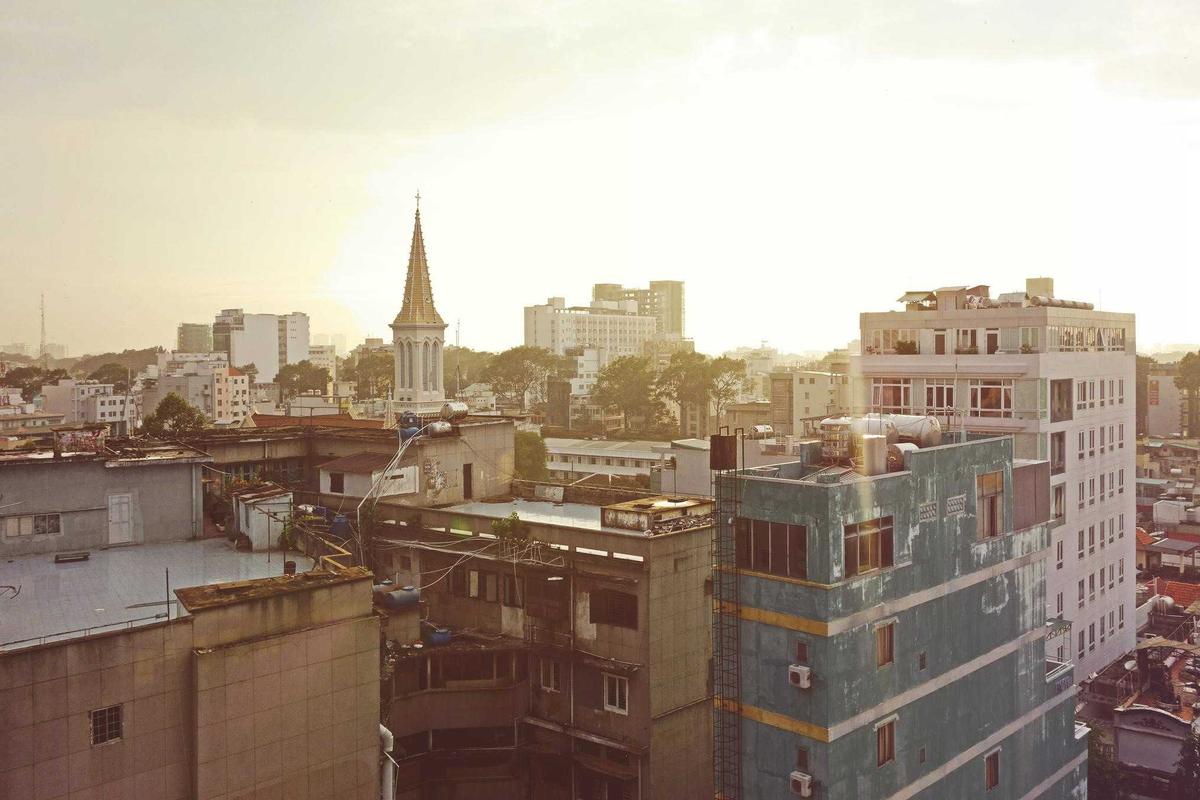
The mercury has hit 45 degrees Celsius in Delhi, but for the city’s millions of slum dwellers, the real heat is coming from a lack of basic infrastructure. British aid agencies are now demanding emergency intervention, warning that India’s capital is becoming unlivable for the poor.
This is a story about resource allocation. Or rather, the catastrophic failure of it. When the mercury rises, those with means retreat to air-conditioned enclaves. Those without them have no sanctuary. The result is a public health crisis that no amount of government hand-waving can fix.
Every degree increase in temperature is a direct charge on economic productivity. Lost working hours, elevated hospital admissions, and diminished cognitive output. It is a stealth tax on the poor. And the government, weighed down by its own fiscal deficits, has provided precious little in the way of cooling centres or subsidised electricity. The free market might offer solutions, but only if the price is right. And for Delhi’s poorest, the price of survival is increasingly unaffordable.
Gilt yields in emerging markets like India are under pressure as foreign investors flee to havens. This capital flight exacerbates the rupee’s weakness, making imported air conditioners and even basic foodstuffs more expensive. It’s a vicious cycle: the heat worsens the economic outlook, which in turn drives away investment, reducing the resources available to mitigate the heat.
The British aid agencies understand this calculus. But their calls for emergency action will likely fall on deaf ears. Delhi’s government is more focused on political posturing than on the hard, unglamorous work of building resilience. The real bottom line: without a fundamental shift in fiscal priorities, the poor will continue to burn. Literally.