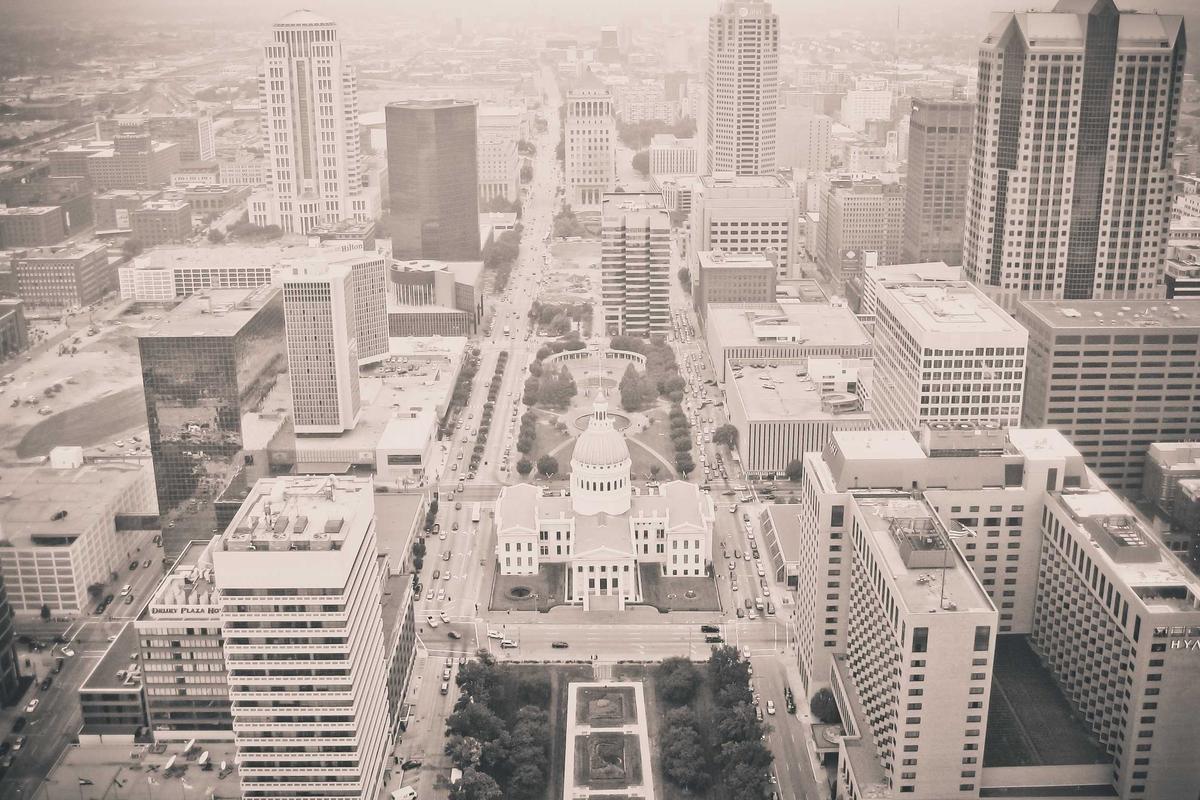
The Imperial Club, a relic of the Raj where Delhi’s elite have mingled for over a century, stares down the barrel of closure. A confidential document obtained by this desk reveals that the Delhi Development Authority (DDA) has recommended the revocation of the club’s lease on grounds of alleged misuse of land and unpaid dues. The club sits on a prime 2.5-acre plot in the heart of Lutyens’ Delhi, a stone’s throw from Parliament House. Its sandstone facade and manicured lawns have hosted prime ministers, industrialists and foreign dignitaries. But behind the high walls and impeccable service, sources confirm, lies a tangle of financial irregularities and legal disputes.
The DDA’s report, stamped ‘confidential’, accuses the club of sub-letting portions of the property to commercial ventures without approval. The club’s management has been given a show-cause notice, with a deadline of 15 days to respond. If the explanation fails to satisfy, the lease – granted in perpetuity in 1911 – could be cancelled. The club has denied the allegations. In a statement to this journalist, its secretary said the club operates within the law and accused the DDA of ‘targeting a historic institution’. But the DDA’s file suggests otherwise: it lists six instances of unauthorised construction and three counts of ‘substantial’ unpaid property tax exceeding ₹12 crore.
This is not an isolated case. The Imperial Club is the latest in a string of elite clubs in Delhi facing government scrutiny. A decade ago, the nearby Gymkhana Club was forced to pay ₹60 crore in back taxes after a similar probe. The pattern is clear: the government, short on revenue, is turning the screws on institutions that have long enjoyed privileged land deals. And the clubs, run by old-money families and retired bureaucrats, are vulnerable.
The British connection: the club was founded in 1911 as a retreat for British officers. Its first secretary was a Colonel Blunt, who insisted on strict rules: no Indians except servants, no discussion of politics, and a dress code that required formal wear. Independence in 1947 opened its doors to Indians, but the club’s ethos remained unchanged. Its membership list reads like a who’s who of India’s establishment. That very exclusivity may now be its undoing.
Sources inside the DDA claim the club’s management has been ‘non-cooperative’ during inspections and refused to share financial records. A former committee member spoke off the record: ‘We have been operating in a bubble for too long. The rules have changed, and we refused to adapt.’ If the lease is revoked, the club’s 1,200 members face the loss of a legacy. The government has not ruled out converting the site into a public park.
But there is more. Uncovered documents from the Ministry of Culture show the club’s heritage status is also under review. The club’s building, a Grade II heritage structure, requires stringent conservation protocols. The DDA claims the club has violated these by altering the facade without permission. The club denies this too, but photographs from 2015 and 2023 show new air-conditioning units and a glass extension that were not in the original plans.
Tomorrow, the club’s committee will meet to draft its response. The odds are stacked against them. The DDA has not backed down before: earlier this year, it cancelled the lease of the India International Centre for similar violations. That case is now in court. The Imperial Club’s lawyers are preparing a petition. But the clock is ticking.
This is not just a club. It is a slice of British India that has survived two world wars, partition and decades of political upheaval. Its loss would be a wound to the city’s heritage. But the law is the law, and the DDA is in no mood for sentiment. I will be following the paper trail.