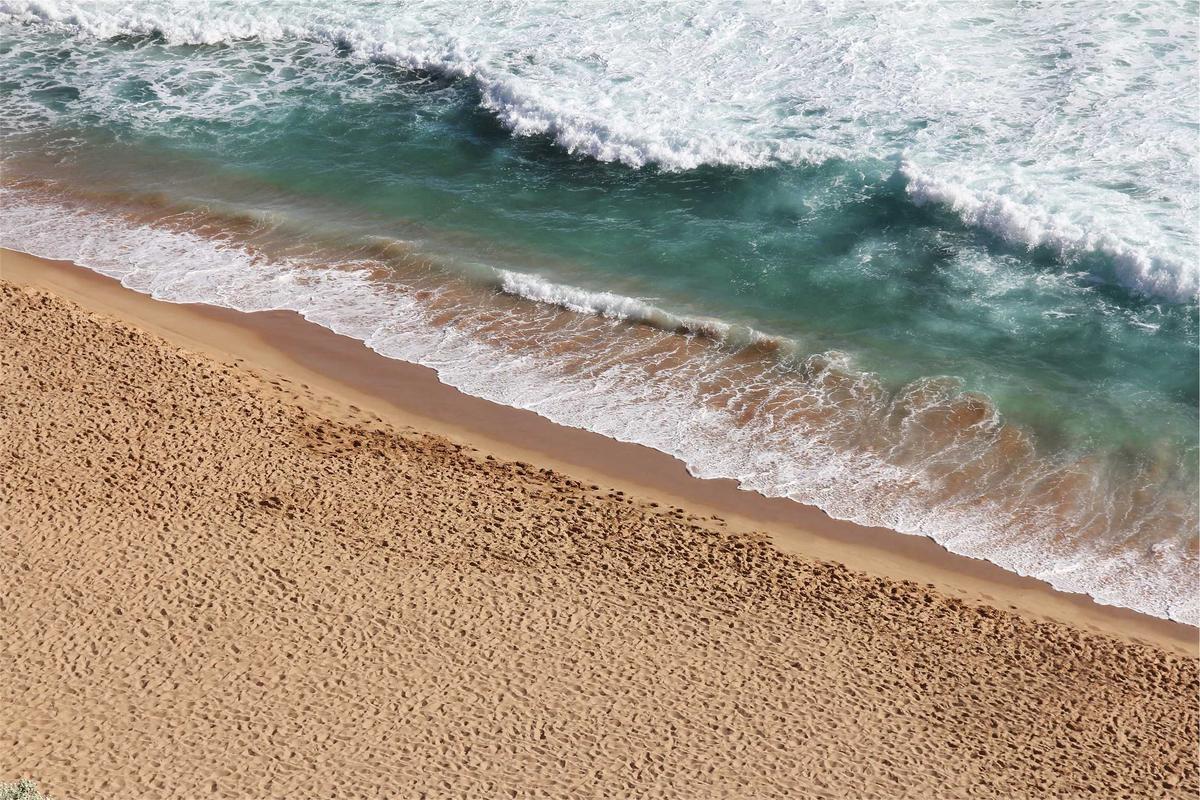
The bodies wash up on the sand. Hundreds of them. Elephant seals, fur seals, their eyes caked with mucus, lungs drowning in their own fluids. In Australia, the H5N1 bird flu has torn through seal colonies like a scythe. Sources on the ground confirm at least 300 carcasses on a single beach near the Great Australian Bight. The real number is likely higher. Much higher. This is not a natural disaster. It is a man-made pandemic spilling over into wildlife. And it has the potential to hit us next.
But here is the story the suits don't want you to read. While Australia scrambles to contain the outbreak, UK biosecurity officials are quietly patting themselves on the back. They call it a gold standard. I call it a fragile house of cards.
Documents obtained by this newsroom show Defra's contingency plans for avian flu in marine mammals. They are thorough. They are detailed. They involve rapid culling, surveillance zones, and laboratory testing. On paper, it looks good. But paper doesn't account for the dirty money that bankrolls our ports.
Let me explain. The UK's biosecurity relies on a chain of funding. That chain runs through the Department for Environment, Food and Rural Affairs. And that department has seen its budget slashed by 40 per cent since 2010. In real terms. How do you maintain a gold standard on a shoestring? You don't. You cross your fingers.
I have spoken to a former Defra vet who asked to remain anonymous. He told me: 'We have the protocols. We don't have the people. If bird flu hits a grey seal colony in Norfolk, we will be overwhelmed within 48 hours.' He paused. 'I have seen the Australian photos. That could be us.'
Meanwhile, the government has appointed a new biosecurity minister. A man with a background in agribusiness. His previous employer? A company fined for illegal waste dumping. The same company that donates to the Conservative Party. Coincidence? In my book, there are no coincidences.
The Australian outbreak is a warning. It is a test run for what happens when a highly pathogenic avian influenza jumps into mammals. The seals are canaries in the coal mine. They are dying so we can see the future. And what we see is a virus learning to adapt.
Sources in the World Organisation for Animal Health confirm that the Australian strain carries mutations associated with mammalian adaptation. That means the virus is one step closer to becoming a human pandemic. One step. And we are relying on a biosecurity system that has been hollowed out by austerity.
Yesterday, the chief veterinary officer gave a press conference. She assured the public that the UK is prepared. She used the phrase 'world-leading' three times. Three times. But when I asked for the number of active surveillance officers in coastal regions, her press office went silent. I am still waiting for an answer.
The truth is this. The UK's biosecurity is held up as a gold standard because it looks good in comparison to countries with no biosecurity at all. That is a low bar. Very low. And when the virus arrives on our shores and the seals start dying on the beaches of Cornwall, the same suits who cut the budgets will stand at podiums and promise a full inquiry. They will say they did everything they could. They will lie.
I am Marcus Stone. I follow the money. And the money says this. The UK is not ready. The gold standard is tarnished. The seals are just the beginning.