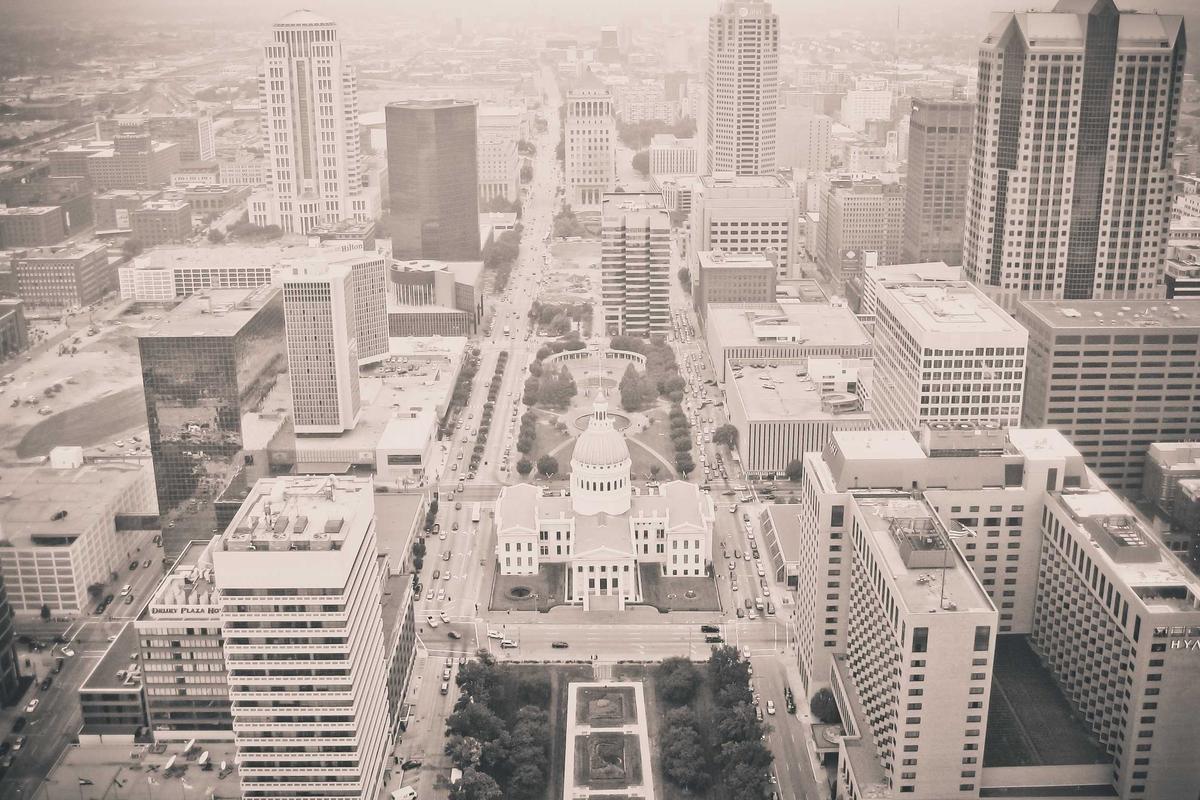
The century-old Delhi Club, a bastion of colonial-era privilege and sepia-toned nostalgia, is staring down the barrel of a forced closure. The city’s municipal corporation has slapped a demolition notice on its sprawling Lutyens’ Delhi premises, citing unauthorised construction and a 15-month back-tax bill. But beneath the legal jargon lies a deeper collision: a city hurtling into the 21st century versus an institution frozen in its golden age.
Walking through the Club’s manicured lawns, one feels the ghost of the Raj. Ceiling fans whir above liveried waiters, and the bar smells of aged whiskey and leather-bound rulebooks. For years, it’s been a refuge for diplomats, journalists, and the old-money elite – a bubble insulated from the chaos of a megacity. But bubbles tend to burst when the world outside demands accountability.
The trigger was a tech audit. The Club’s IT infrastructure – a relic of the 1990s – couldn’t process digital tax payments, and its property records were a mess of hand-scrawled ledgers. The municipal corporation’s new Smart City dashboard flagged the anomaly. Algorithms don’t care about heritage. They see a data point, a discrepancy, a liability.
This is the crux of modernity’s assault: not just bulldozers, but datasets. The Club’s members, many in their 70s and 80s, view the shutdown as a “cultural vandalism”. They speak of convivial evenings, of deals made over bridge, of a place where names matter more than net worth. “It’s not just a building; it’s the last drawing room of old Delhi,” a retired bureaucrat told me.
But for the city’s young, tech-savvy residents, the Club represents everything wrong with India’s stratified society. Its membership is notoriously homogeneous – a self-perpetuating oligarchy that screens applicants not just on credit but on caste, school, and surname. In a city where half the population lives in unauthorised colonies, the Club’s existence feels like a digital-age anomaly. The same algorithms that flagged its tax compliance now expose its exclusivity. Social media is ablaze with hashtags like #DemolishPrivilege and #ClubShutdown.
I’ve seen this story before in Silicon Valley. Disruption is never neutral. When Uber launched, it didn’t just create a ride-hailing app; it decimated taxi unions that had operated for generations. The Club faces a similar moment. The municipal corporation isn’t just enforcing tax law; it’s wielding tech as an equaliser. Yet, I worry about the Black Mirror consequences. Digital sovereignty sounds noble, but what happens when it erases the social fabric that, for all its flaws, provides community and continuity?
There’s a middle path. The Club could rebrand as a “digital heritage hub” – preserving its ambiance while adopting transparent governance, diverse membership, and AI-driven compliance. Or it could morph into a co-working space for the city’s creative class. But that would require a leap from nostalgia to futurism, something institutions resist.
As I write, the clock is ticking. The demolition squad is on standby. The Club’s lawyers are filing injunctions. But the real battle isn’t legal; it’s philosophical. Can Delhi – a city that epitomises parallel lives – reconcile its past with its future? Or will the algorithm judge that some traditions are too costly to preserve?
The verdict isn’t just about a club. It’s about what we lose when modernity runs on code, not custom.