A deep and persistent heatwave has settled over western Europe, pushing thermometers past 40 degrees Celsius in parts of France and Spain. The United Kingdom, not yet at those extremes, is nonetheless grappling with the cascading effects. National Grid ESO has this morning issued a marginal notice, warning of tight supply margins as demand for cooling surges. A blackout has been avoided, but only just.
Let us be precise about what is happening. The synoptic pattern is a classic omega block: a high pressure system anchored over the continent, drawing hot air from North Africa. This is not a freak event. It is a statistical certainty in a world that has warmed by 1.2 degrees Celsius since pre-industrial times. The atmosphere holds approximately 7 per cent more water vapour per degree of warming. That translates to more intense and prolonged heat events. The physics is not in dispute.
For the energy system, the stress is twofold. First, demand spikes as air conditioners and fans run continuously. Second, supply becomes constrained: thermal power plants require cooling water, which becomes scarce and warmer; solar panels lose efficiency above 25 degrees Celsius; and wind speeds often drop in stagnant high pressure zones. The British grid, which relies on a mix of gas (40 per cent), renewables (40 per cent), nuclear (15 per cent) and interconnectors (5 per cent), must balance this equation in real time.
Yesterday, National Grid activated a demand flexibility service, paying large users to reduce consumption. Households with smart meters were also asked to shift usage away from peak hours. The system held. But the margin was less than 2 gigawatts on a peak demand of 45 GW. That is a thin cushion. Without interconnector imports from France and Belgium, both also struggling, the lights would have flickered.
The broader context is troubling. Europe’s energy infrastructure was designed for a climate that no longer exists. In 2022, heatwaves caused record low river levels on the Rhine, disrupting coal and oil shipments. This year, the same rivers are again low. Nuclear plants in France, already plagued by maintenance issues, are throttling output due to high river temperatures that limit cooling. The irony is heavy: the low carbon source we need most is least resilient to the very problem it is supposed to solve.
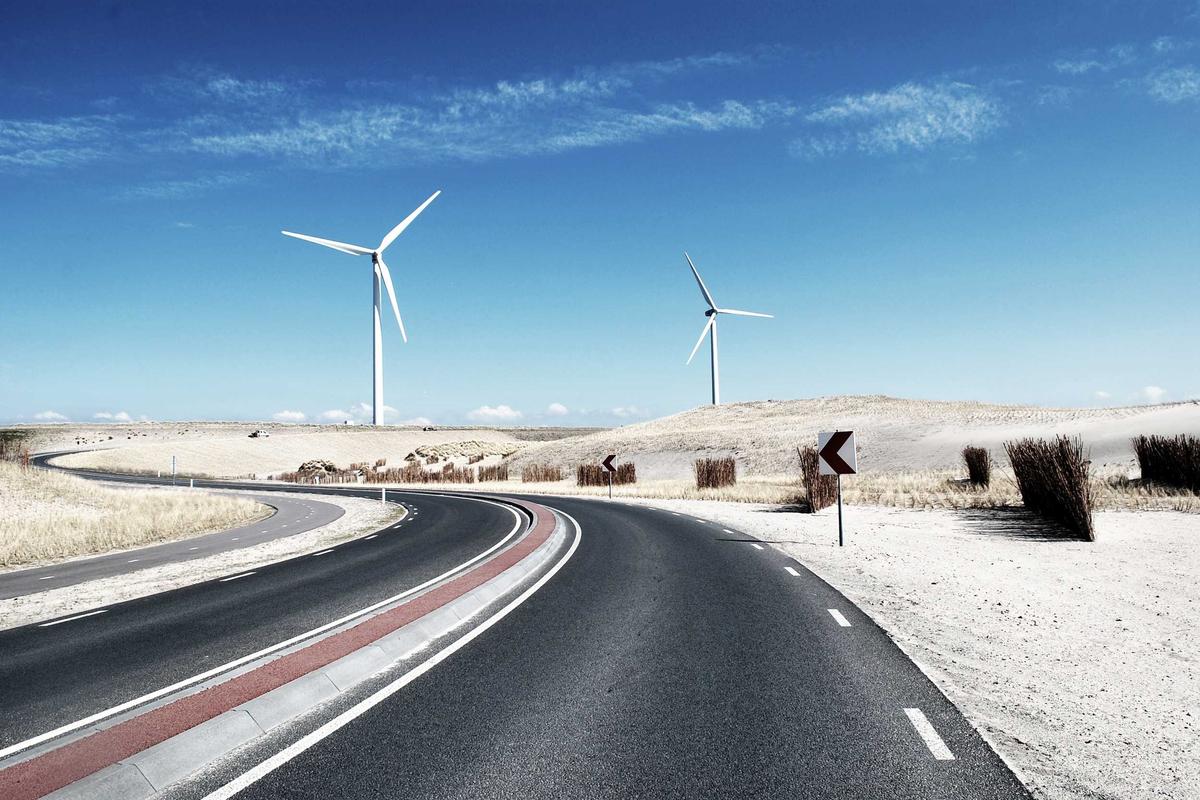
Some will point to renewables as the culprit. That is incorrect. Wind and solar are variable, yes, but their failure modes are predictable. The real vulnerability is the inflexible baseload: nuclear and gas plants that cannot ramp up or down quickly, and which depend on water. The solution is not to abandon renewables but to build storage: batteries, pumped hydro, hydrogen. These technologies exist. They are not being deployed at scale because the market signals are too weak. A carbon price of 50 euros per tonne does not capture the cost of a 40 degree day.
What of adaptation? British homes are built to trap heat. New building regulations are slowly improving insulation and requiring reflective roofs, but the existing stock will take decades to retrofit. Air conditioning, once rare, is proliferating, creating a feedback loop: more cooling means more electricity, which unless decarbonised means more emissions. The heat pump, which can both heat and cool efficiently, is the logical alternative. But installation rates remain far below targets.
On the personal level, I am tired of saying this. The data are clear. The climate is warming. The energy system is stressed. The solutions are known. The gap is between knowledge and action. Every heatwave that breaks records is another reminder that the time for gentle persuasion has passed. We need to build the infrastructure of a zero carbon grid, and we need to do it now. Not because it is easy, but because the physics will not bend to politics.
The immediate danger has passed for today. But the heatwave will persist through the weekend. Check on elderly neighbours. Drink water. And understand that this is not the new normal. It is a waypoint on a trajectory that will get worse unless we act. The grid operator bought us another day. We should not squander it.