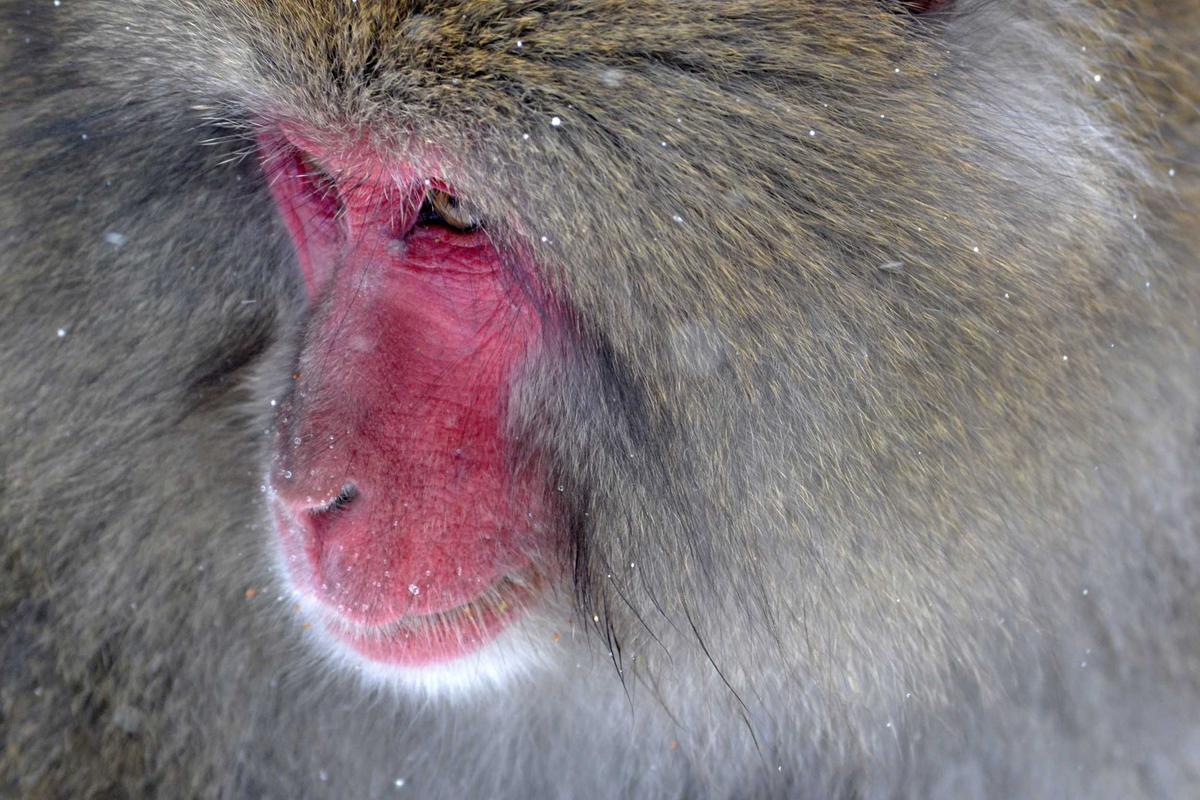
A catastrophic four-day rainstorm has devastated the last stronghold of the Tapanuli orangutan, killing an estimated 7% of the species’ remaining population. The deluge, which dumped over a metre of rain on the Batang Toru ecosystem in North Sumatra, triggered landslides that swept away critical habitat and drowned dozens of the critically endangered primates, according to a preliminary report by UK and Indonesian scientists. The disaster has sparked urgent calls for an emergency fund to protect rainforest corridors as climate change amplifies extreme weather events.
“We are witnessing the collapse of a species in real time,” said Dr. Helen Marsh, a conservation biologist at the University of Cambridge who led the assessment. “The Tapanuli orangutan was already down to fewer than 800 individuals. To lose nearly 60 in a single storm is a worst-case scenario we feared but hoped never to see.” The species, discovered only in 2017, is the rarest great ape on Earth, confined to a fragmented patch of forest roughly the size of Greater London.
The storm, which began on 12 November, was unusual in both intensity and duration. Satellite data analysed by the UK’s Met Office shows that rainfall rates exceeded 250mm per day, more than triple the November average. The resulting landslides scoured steep slopes where orangutans congregate to feed on fruit, destroying nests and sweeping animals into swollen rivers. Rescue teams recovered 47 carcasses, but scientists estimate the true toll is higher due to inaccessible terrain.
The tragedy has exposed the vulnerability of even protected areas to the accelerating impacts of climate change. The Batang Toru ecosystem, a biodiversity hotspot, is already under pressure from a planned hydroelectric dam and illegal logging. “This is a canary in the coal mine,” said Dr. Marsh. “If we cannot secure these forests against extreme weather, we are simply managing extinction.”
In response, a coalition of UK-based scientists has issued an emergency declaration, calling on the UK government and international donors to establish a £50 million Rainforest Resilience Fund. The fund would finance early warning systems, reforestation of buffer zones, and the creation of wildlife corridors to allow orangutans to move to higher ground during floods. “We know where the next storms will hit,” said Dr. James Cole, a climate modeller at Imperial College London. “We can map refugia—areas that are likely to remain dry even during extreme events. But we need the resources to protect them now, not after the next disaster.”
The proposal has gained traction in Westminster, where a cross-party group of MPs is pressing for an urgent aid package. However, critics argue that focusing on a single species risks neglecting the broader ecosystem. “Orangutans are an umbrella species,” countered Dr. Marsh. “Protect them, and you protect thousands of other species that share their habitat.” Others question whether emergency funds can address the root cause: carbon emissions. “We are applying a sticking plaster while the wound grows,” said Dr. Cole. “But for the Tapanuli orangutan, there is no time for a long-term cure.”
The disaster has also drawn attention to the ethical implications of conservation triage—deciding which species to save when resources are limited. The Tapanuli orangutan is genetically distinct, with a unique call and diet, but its total population is now roughly equivalent to the attendance at a small football match. “Every individual matters,” said Dr. Marsh. “But we are running out of room to be sentimental. The data is telling us we need hard choices and fast action.”
As the floodwaters recede, the immediate priority is locating survivors. Drone surveys and field teams are combing the remaining forest for signs of life. Early reports suggest that at least one family group may have survived in a remote valley, offering a sliver of hope. “We will not give up,” said Dr. Marsh. “But the clock is ticking.”
The Rainforest Resilience Fund is now open for pledges, with the UK’s Natural Environment Research Council committing £5 million in seed funding. Whether the world will respond remains uncertain. For the orangutans, the next storm could be the last.