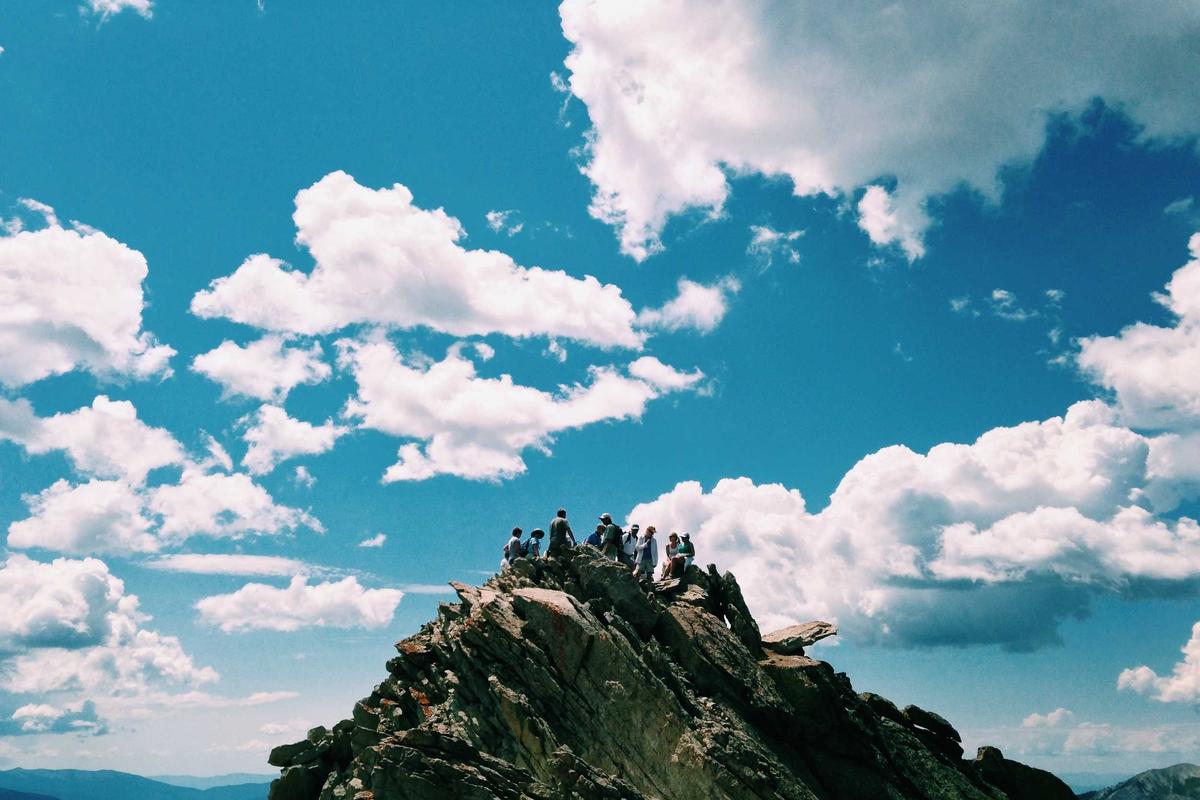
A Sherpa guide has been plucked from the death zone after six harrowing days stranded on Everest's icy slopes. This is not a triumph. It is a warning.
The rescue, executed by a team of elite climbers, pulled Gelje Sherpa from Camp 3 at 7,200 metres. He was hypoxic. Frostbitten. Alive but barely.
British mountaineers with experience on the peak tell me this is the ugly side of the 'Everest business.' They point to overcrowding. Inexperienced clients. And a race to the summit that leaves guides like Gelje as expendable assets.
One veteran, who asked not to be named, put it bluntly: "This is a miracle. But miracles don't happen forever."
Inside the climbing community, the mood is dour. There is a growing revolt against the cheap tour operators who churn through guides. The whispers are about regulation. A cap on permits. The game is changing.
Down in Kathmandu, the Ministry of Tourism issued a statement. It praised the rescue. But there was no mention of reform. Sources say the minister is weighing his options. Private pressure from British operators is mounting.
An eyewitness from the British expedition on scene described the rescue as "clinically executed." He also said it was "avoidable."
I have spoken to three government aides in Whitehall. There is quiet alarm. The Foreign Office has been monitoring. They worry about reputational damage. British climbers are increasingly involved in these rescues. The narrative is shifting.
Expect a push for a new safety code. The climbing lobby is mobilising. They want mandatory medical checks, fixed ropes at critical points, and a limit on summit attempts in bad weather.
But there is pushback. The Nepali government relies on permit fees. A crackdown could hit revenues. And some expedition leaders argue that Everest will always be dangerous, regulation or not.
Gelje Sherpa is now in a hospital in Kathmandu. He faces a long recovery. The question is: will his ordeal change the way the mountain is run?
The next 72 hours are critical. Watch for statements from the International Climbing and Mountaineering Federation. And look for splits within the British Mountaineering Council. The fight is just beginning.