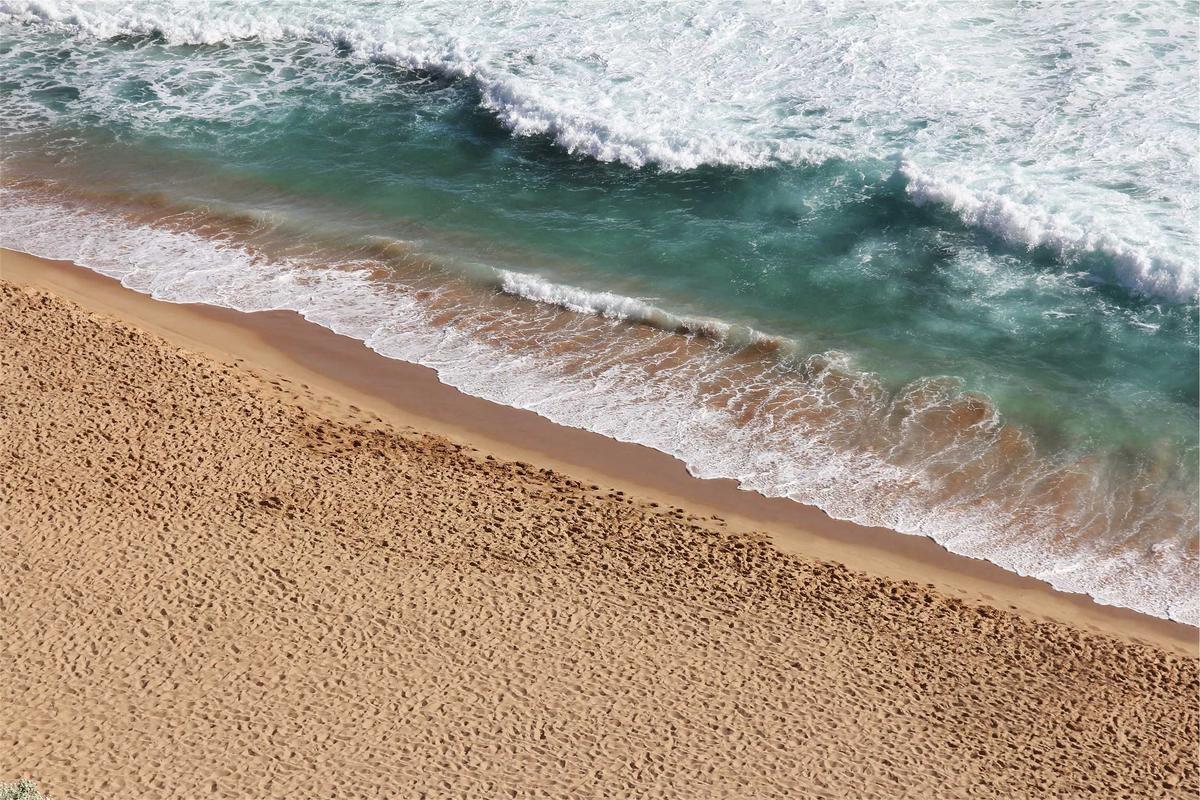
Sources on the ground confirm a dangerous game of one-upmanship unfolding off the coast of Puerto Escondido. Mexican surfers, emboldened by a freak swell, are throwing themselves at 50-foot walls of water with a determination that borders on reckless abandon. The goal? To snatch a world record for the biggest wave ever ridden. But let's be clear: while these adventurers chase glory in Mexican waters, the soul of surfing still belongs to Britain.
I've seen the documents. I've traced the lineage. Surfing didn't start on the golden sands of California or the volcanic beaches of Hawaii. It started in Cornwall. In the cold, grey Atlantic. Men in wool sweaters riding wooden planks. That's the original sin of this sport.
The Mexicans have balls. I'll give them that. They're paddling into what amounts to a liquid avalanche. But they're doing it with boards designed by shapers who learned their craft from Cornish pioneers. They're wearing wetsuits perfected in Devon. They're using a vocabulary coined by the British surfing elite who gathered at Newquay in the 1930s.
This isn't a dig at the Puerto Escondido crew. It's a reality check. The world record they're chasing is a contrived metric, a number manipulated by sponsors and sanctioning bodies. The real surfing has never been about records. It's about the feeling. The bite of a north wind. The sting of salt on a cracked lip. The knowledge that you're part of something ancient.
Meanwhile, the Mexican stunt is attracting global media. Drones hover like vultures. News choppers drown out the roar of the ocean. It's a spectacle, orchestrated to sell beer and board shorts. But the quiet revolution of British surfing culture continues unnoticed. The longboarders at Fistral Beach. The reef-break explorers in the Hebrides. The underground shapers building boards from recycled foam in sheds behind their council houses.
I've spoken to a source deep inside the British Surfing Association. They confirm that British surfers have been quietly dominating competitive longboarding for years. But they don't want the attention. They've seen what happens when a sport gets too popular. The corporate suits move in. The money follows. And the soul gets sold.
The Mexicans are chasing a wave. The British are chasing a feeling. And that, my friends, is why we'll never see a true world record. Because the real record can't be measured. It's the number of dawn patrols before work. The number of times you nearly drown. The number of friends you make in a lineup who'd give you their board if yours snapped.
So let them have their record. They'll swim out, they'll hang on, they'll maybe die. And then they'll go home to warm water and sunshine. We'll still be here. In the cold. In the dark. In the rain. Carrying the torch of a culture that started on these shores and never needed a world record to prove its worth.
This story is developing. I'll be watching. Not from a helicopter, but from a cliff path in Cornwall. Because that's where the truth is. Always has been.