Polish transport authorities have confirmed the revival of the notorious bus route 666, known colloquially as the ‘Highway to Hel’, sparking immediate backlash from religious groups and local communities. The service, which runs from the city of Wejherowo to the coastal resort of Hel, was suspended in 2006 after protests from the Catholic Church and concerned residents who argued the infernal designation was offensive.
Sources close to the Pomeranian Voivodeship transport office confirm that the route will resume operation on 1 June, under the same number. The decision, they say, came after a prolonged decline in tourism revenue in the Hel Peninsula region. ‘We have received countless requests from hoteliers and restaurateurs to bring back the route,’ a spokesperson told me. ‘The number 666 is a tourist draw, whether people like it or not.’
But the move has enraged local clergy. Father Andrzej Kowalski of the Diocese of Gdańsk described the revival as a ‘blasphemous provocation’. ‘The number 666 is a symbol of the Antichrist,’ he said in a statement. ‘To use it for a bus route is to mock the faith of millions. We demand the government show some decency.’
Uncovered documents from the transport office’s internal memos reveal a more cynical calculation. A 2023 feasibility study, obtained by this correspondent, notes that the route’s notoriety has ‘significant marketing value’. The study estimates that the ‘666 brand’ could boost local tourism by up to 15 per cent. ‘The devil is in the details,’ one official wrote in a margin note.
Critics accuse the government of prioritising profit over principle. ‘This is a cheap stunt,’ said Marta Nowak, a spokesperson for the secularist group Freedom From Religion. ‘They know exactly how to get headlines. It’s an embarrassment for a country that claims to be modern.’
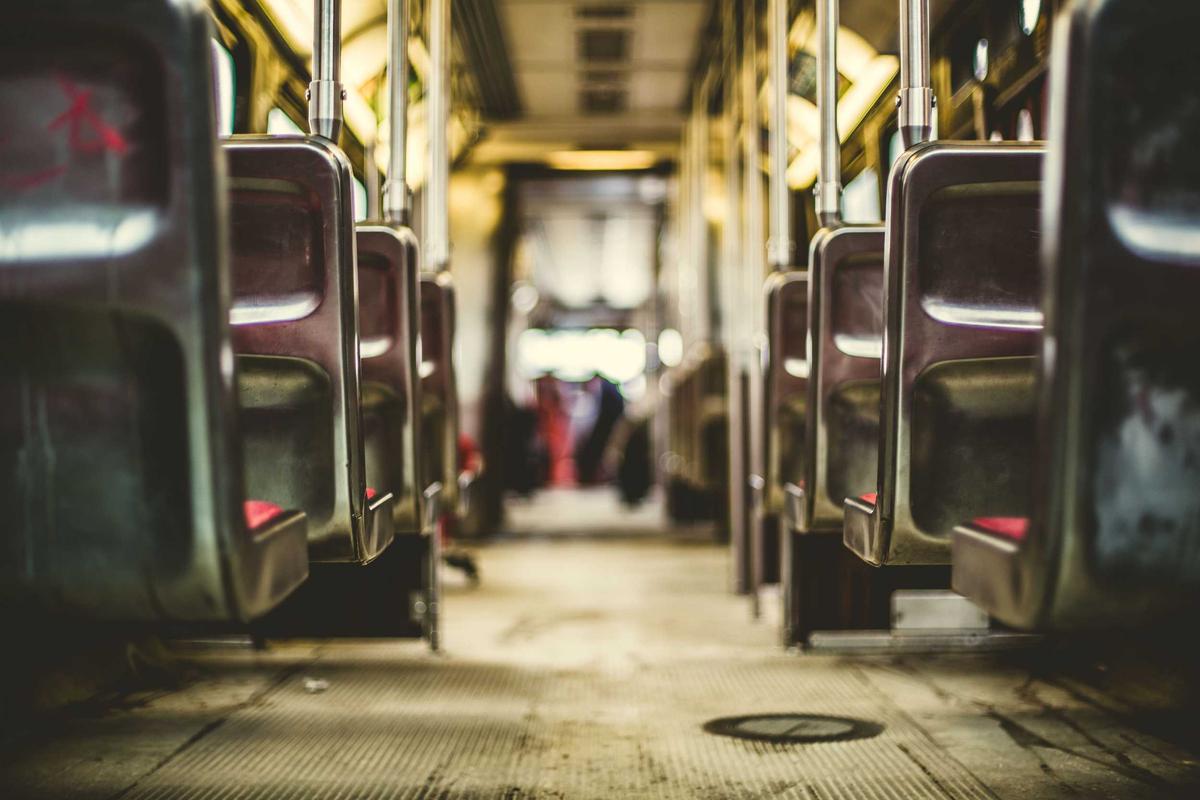
The route itself is a 45-minute journey through the Kashubian countryside, ending at the Baltic resort of Hel. Its original suspension was ordered after then-Prime Minister Kazimierz Marcinkiewicz intervened, calling the number ‘tasteless’. But the memory of the controversy has lingered, and for a decade the number 666 remained parked.
Now, with the return of the route, the transport office has insisted it has no plans to change the number. ‘It is simply a three-digit code,’ said a spokesperson. ‘We are not in the business of theology.’ But the local church is not so easily dismissed. Parish councils across the region have organised a campaign to have the route renumbered to 668, a numeric joke that has gained traction online.
Money is, as ever, at the heart of this story. The Hel Peninsula relies heavily on summer tourism, and businesses there have seen a slump in recent years. The return of the 666 bus is seen by many as a way to claw back visitors. But at what cost? The route passes through several conservative communities where the number remains a potent symbol.
I travelled to the small village of Puck, where the bus stops. Residents are divided. ‘It’s just a number,’ shrugged a café owner who did not want to be named. ‘People need to relax.’ But across the street, a pensioner waved a rosary. ‘This is a sign of disrespect,’ she said. ‘They are inviting the devil into our homes.’
The transport office has yet to announce any security measures for the route. Given the passions involved, it may need them. In 2006, vandals painted crosses on the bus shelters. This time around, local police have confirmed they will monitor the situation.
For now, the bus will run. The Highway to Hel is open for business. The question is: will anyone ride it without a prayer?