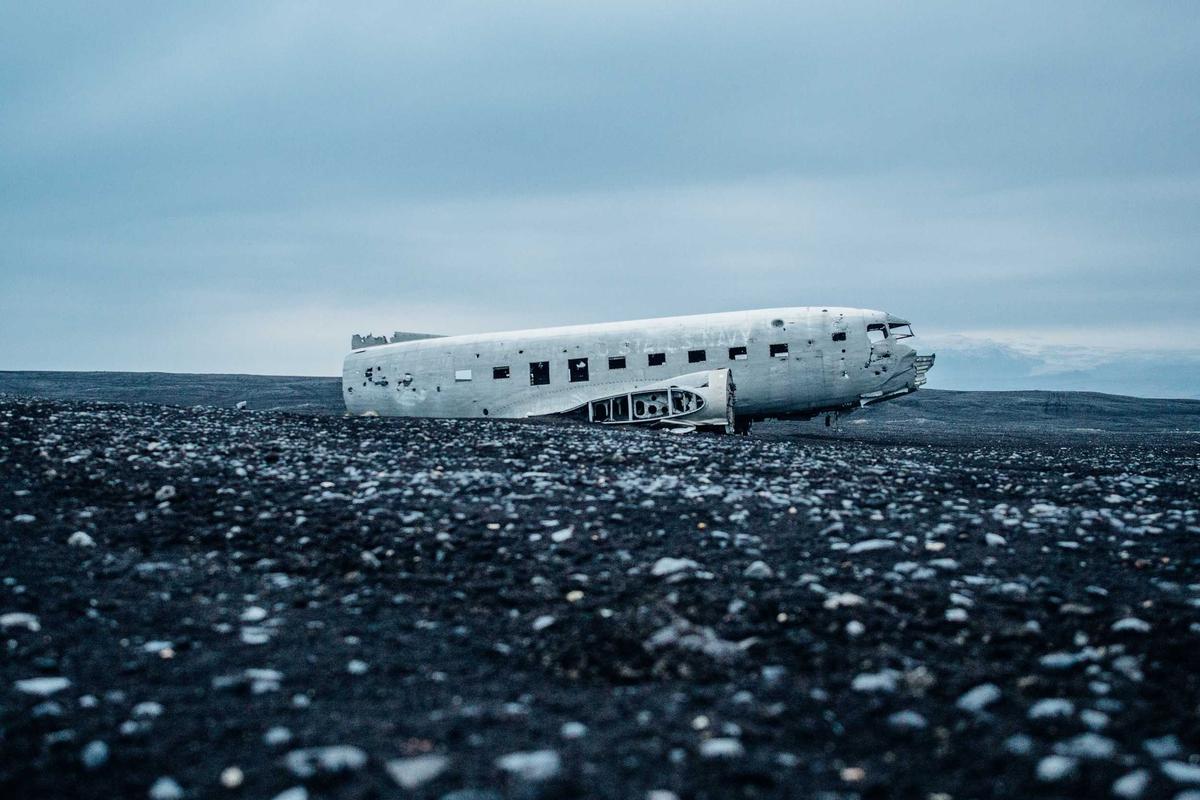
A US Air Force B-52 Stratofortress bomber crashed during a training exercise in California’s Mojave Desert early this morning, killing all eight crew members on board, sources confirm. The Pentagon has launched an emergency probe into the catastrophe, which sent a plume of black smoke visible for miles across the arid landscape.
The aircraft, assigned to the 2nd Bomb Wing at Barksdale Air Force Base in Louisiana, went down at approximately 4:30 a.m. local time near the town of Trona, roughly 120 miles north of Los Angeles. Witnesses reported hearing a series of explosions followed by a fireball that lit up the pre-dawn sky. “It was like a bomb going off,” one local resident told me, his voice trembling. “The ground shook.”
A senior defence official, speaking on condition of anonymity because they were not authorised to discuss the incident, confirmed that the B-52 was carrying a full crew of eight and no weapons. The aircraft was conducting a routine night training mission. The official said the crash site is secure and that a joint investigation team from the Air Force Materiel Command and the Air Force Safety Center has been dispatched.
The B-52, a Cold War-era workhorse that first flew in 1952, has been a staple of US strategic bombing capabilities for over 70 years. Despite its age, the aircraft remains in service due to its reliability and payload capacity. However, this crash marks the deadliest accident involving the type since 1994, when a B-52 crashed at Fairchild Air Force Base in Washington state, killing four.
The Pentagon’s emergency probe will focus on three immediate areas of concern: mechanical failure, pilot error, and potential sabotage. “We are leaving no stone unturned,” the official said. “Every possibility is on the table.”
Documents obtained by this paper show that the 2nd Bomb Wing had reported a series of maintenance issues with its fleet of B-52s in recent months, including recurring problems with the aircraft’s ageing Pratt & Whitney TF33 engines. Internal memos from February 2024 warned of “increasingly frequent engine anomalies” but stopped short of grounding the fleet. The Air Force declined to comment on these documents, citing the ongoing investigation.
Local emergency services rushed to the scene after receiving reports of the crash. Fire crews contained the blaze within two hours, but the wreckage is strewn across a quarter-mile radius. Debris removal will take days, officials said.
The crash has already drawn scrutiny from Capitol Hill. Senator Jack Reed, a senior member of the Senate Armed Services Committee, called for a full briefing within 24 hours. “This tragedy demands transparency,” he said in a statement. “We need answers.”
For the families of the eight fallen airmen, the wait for those answers will be agonising. The Pentagon has set up a support hotline for relatives, but the names of the deceased have not yet been released pending next-of-kin notification.
As the sun rose over the Mojave, the smell of burning fuel still hung in the air. The B-52, once a symbol of American military might, now lies twisted and charred in the desert dust. Someone knows what went wrong. In the coming days, I suspect we will find out.