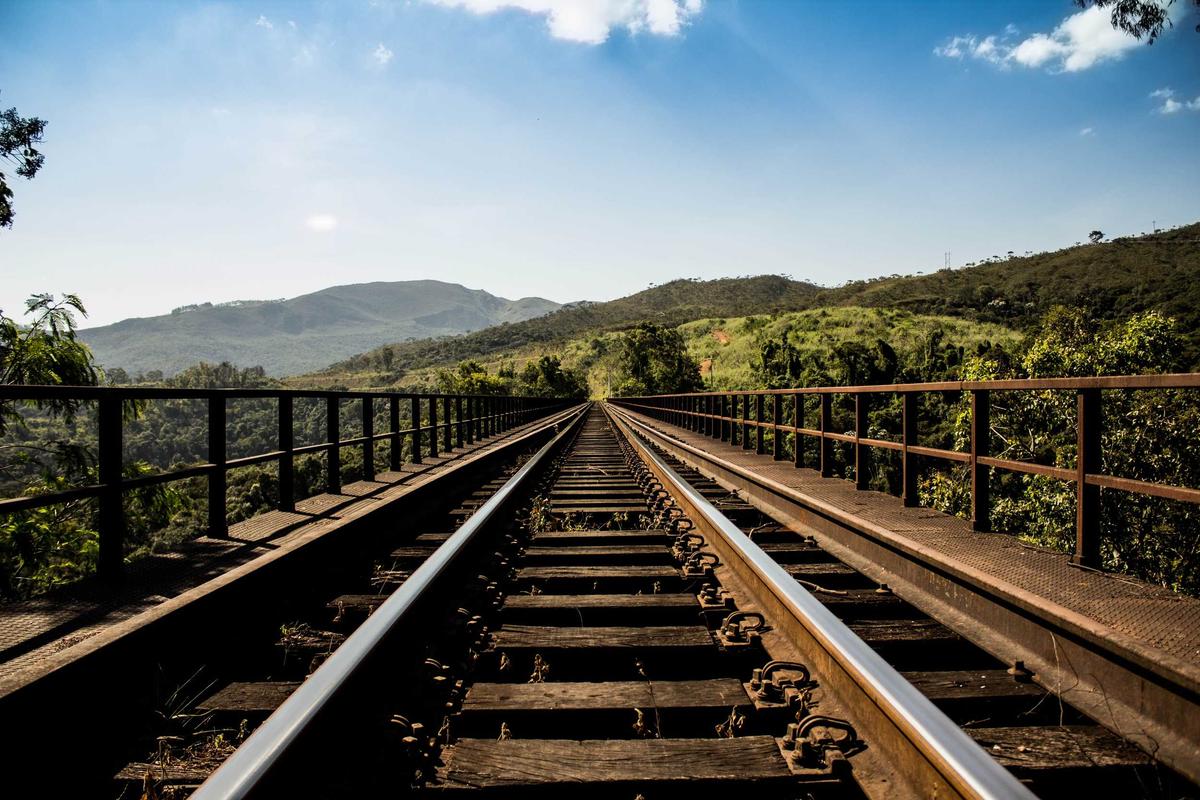
BERLIN. The digital age promised efficiency, connectivity, a seamless flow of information. But when the screens went black across Germany’s rail network this morning, what we witnessed was not a glitch but a glimpse of our collective vulnerability.
Passengers stranded, timetables abandoned, the intricate machinery of a nation brought to a standstill by a software failure. The Deutsche Bahn meltdown, spreading rapidly across the country, left hundreds of thousands trapped in stations and delayed for hours. In a cold November air, the human cost was immediate: missed meetings, cancelled surgeries, families separated.
But the deeper story is one of cultural shift, of how utterly we have outsourced our daily existence to systems we neither understand nor control. In London, the echoes were immediate. As news of the German collapse spread, the question on every commentator’s lips was: could it happen here?
Britain’s own rail infrastructure, a patchwork of privatised lines and ageing signalling, has long been a source of national anxiety. Our trains are famously delayed by leaves, by snow, by the wrong kind of sunshine. But a digital failure of this magnitude exposes a different kind of fragility: the reliance on centralised IT systems that are vulnerable to failure, hacking, or simple human error.
The cultural shift is palpable. For a decade, we have been told that technology is the solution to everything. Smart ticketing, real-time updates, seamless travel.
Yet when the system fails, we are left with nothing. No paper backup, no manual override, no way to know when the next train might come. The human element, once the backbone of railway operation – the stationmaster, the guard, the signalman – has been replaced by algorithms.
And algorithms, as Germany has just discovered, are not infallible. The social psychology of this moment is fascinating. Watch the crowds: at first confusion, then frustration, then a grim resignation.
People cling to their smartphones, refreshing apps that offer no answers. Desperate for any scrap of information, they turn to strangers, to station staff who are equally in the dark. The breakdown of trust is sudden and complete.
In Berlin, a woman with a small child told me she felt “trapped, like a rat in a cage”. That is the language of the modern commute: not adventure, but entrapment. For Britain, the lesson is clear.
Our own infrastructure is not immune. The digital backbone of Network Rail, the computer systems that control Thameslink, the signalling on the West Coast Mainline – all are ageing and increasingly brittle. The UK government boasts of a £96 billion rail investment, yet the money is spent on concrete and steel, not on cyber-resilience or backup systems.
Class dynamics, too, rear their head. Those with money booked hotels, took taxis, or simply waited in airport lounges. The rest huddled in chilly station concourses, dependent on charity from coffee shops that locked their doors.
The crisis exposed a digital divide: those with multiple travel apps and those with a single, failing timetable. The old and poor were left behind. As the day wears on in Germany, engineers scramble to reboot servers, to patch holes.
But the damage is done. The myth of technological invincibility has been shattered. And in London, a quiet anxiety settles in: are we next?
For the commuter, the business traveller, the family visiting relatives, the question is no longer just about trains. It is about the society we have built, and how close to the edge we truly live.