The Qatar-mediated negotiations in Doha have laid bare a calculated strategic pivot by Washington, one that deliberately isolates Tehran while reinforcing the nuclear non-proliferation architecture. US envoys met with mediators but conspicuously excluded Iranian representatives, signalling a hardening of posture against the regime's covert weapons programme. This is not diplomacy as usual; it is a chess move designed to pressure Iran into concessions by denying it a seat at the table, thereby undermining its regional influence operations.
From an intelligence perspective, the snub is significant. It indicates a US assessment that Iran's negotiating position is brittle, likely due to internal economic strain and growing unrest. The absence of direct talks forces Tehran to rely on proxies or backchannel communications, increasing the risk of misinterpretation and escalation. Meanwhile, Britain's reaffirmation of its nuclear deal leadership is a critical doctrinal statement. London is positioning itself as the guardian of the JCPOA framework, a role that carries both diplomatic heft and military implications. The UK's nuclear deterrent, Trident, remains the ultimate backstop against state actors who might exploit any vacuum in arms control.
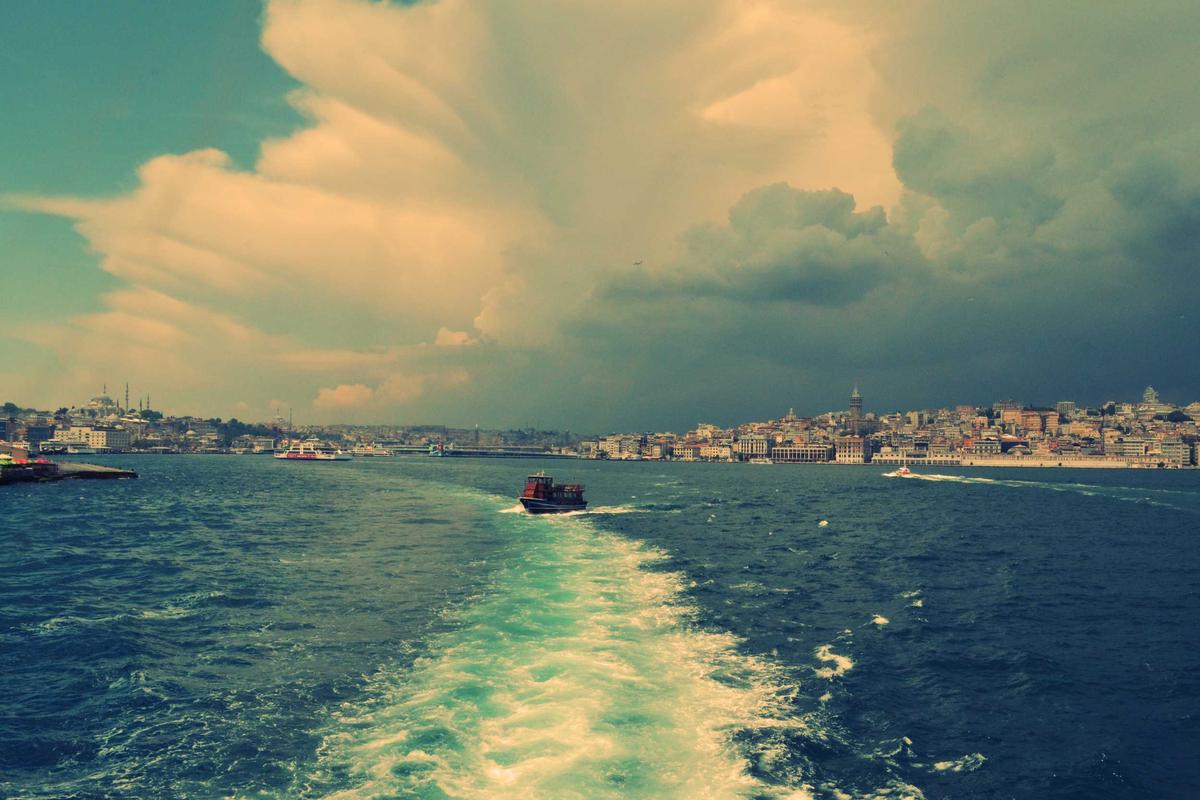
Let us examine the hardware: Iran's uranium enrichment centrifuges continue to spin at Fordow and Natanz, with IAEA inspectors reporting undeclared activities. The US pivot to Asia-Pacific left a strategic gap in the Middle East, one that the UK is now filling through enhanced naval patrols in the Strait of Hormuz and intelligence-sharing with Gulf states. The Doha talks are not just about Iran; they are about force projection and supply chain security. Any disruption to oil tanker traffic would trigger a cascading threat vector across global markets.
On the intelligence front, failures remain rampant. Western agencies underestimated Iran's cyber warfare capabilities, as evidenced by the 2023 attack on Albanian infrastructure. The snub in Doha could provoke a retaliatory cyber operation against critical US or UK infrastructure. We must assume that Iran's Islamic Revolutionary Guard Corps views this as a provocation and will seek asymmetric countermeasures.
The British position is clear: we will not abandon the nuclear deal's verification mechanisms, but we will also not tolerate cheating. The US-UK joint maritime patrols in the Gulf are a direct response to Iranian seizure of commercial vessels. This is a kinetic chess game, and the board is set for either a diplomatic breakthrough or a miscalculation that spirals into conflict.
In summary, the Doha snub is a high-stakes gambit. It forces Iran into a corner, but corners breed desperate actors. The UK's leadership in nuclear non-proliferation is commendable, but it must be backed by credible readiness: updated missile defence systems, hardened cyber networks, and rapid deployment forces. The time for complacency is over. Every threat vector is now active.