An explosion in a rebel-held village in eastern Myanmar has killed at least 35 people, including women and children, according to local resistance groups. The blast, which occurred on Wednesday in the village of Hpruso in Kayah State, has been attributed to a military airstrike by the ruling junta, though the military has denied involvement, claiming instead that a munitions depot belonging to the resistance detonated accidentally.
Witnesses described a scene of utter devastation: bodies scattered among collapsed bamboo huts, the air thick with smoke and the cries of survivors. The village, a base for the Karenni Nationalities Defence Force (KNDF), had been under siege for weeks. This latest tragedy underscores the escalating brutality of Myanmar's civil war, now entering its fourth year since the 2021 coup.
The United Kingdom has responded swiftly. Foreign Secretary James Cleverly issued a statement condemning the attack as a "callous and indiscriminate act" and called for an immediate UN Security Council inquiry. "The junta continues to show utter disregard for human life," Cleverly said. "London will use every diplomatic tool to ensure accountability, including potential sanctions and referral to the International Criminal Court."
The blast occurred at 2 pm local time. Residents reported a single aircraft circling before a thunderous explosion. KNDF spokesperson Khun Paw Htoo confirmed that the village was destroyed. "This is part of a scorched-earth campaign. They target our homes, our families, but they will not break our resolve."
Independent verification remains challenging. Myanmar's junta restricts foreign media and humanitarian access. However, satellite imagery from the region shows extensive burn scars consistent with an airstrike, not a ground-level munitions accident. Amnesty International and Human Rights Watch have both called for a ceasefire and unimpeded aid delivery.
The geopolitical implications are significant. ASEAN, the regional bloc, has been criticised for its inaction, while Western powers are increasingly frustrated by Russia's veto power at the UN. The UK, along with the US and EU, has imposed multiple sanctions on junta leaders, but civilian casualties continue to mount.
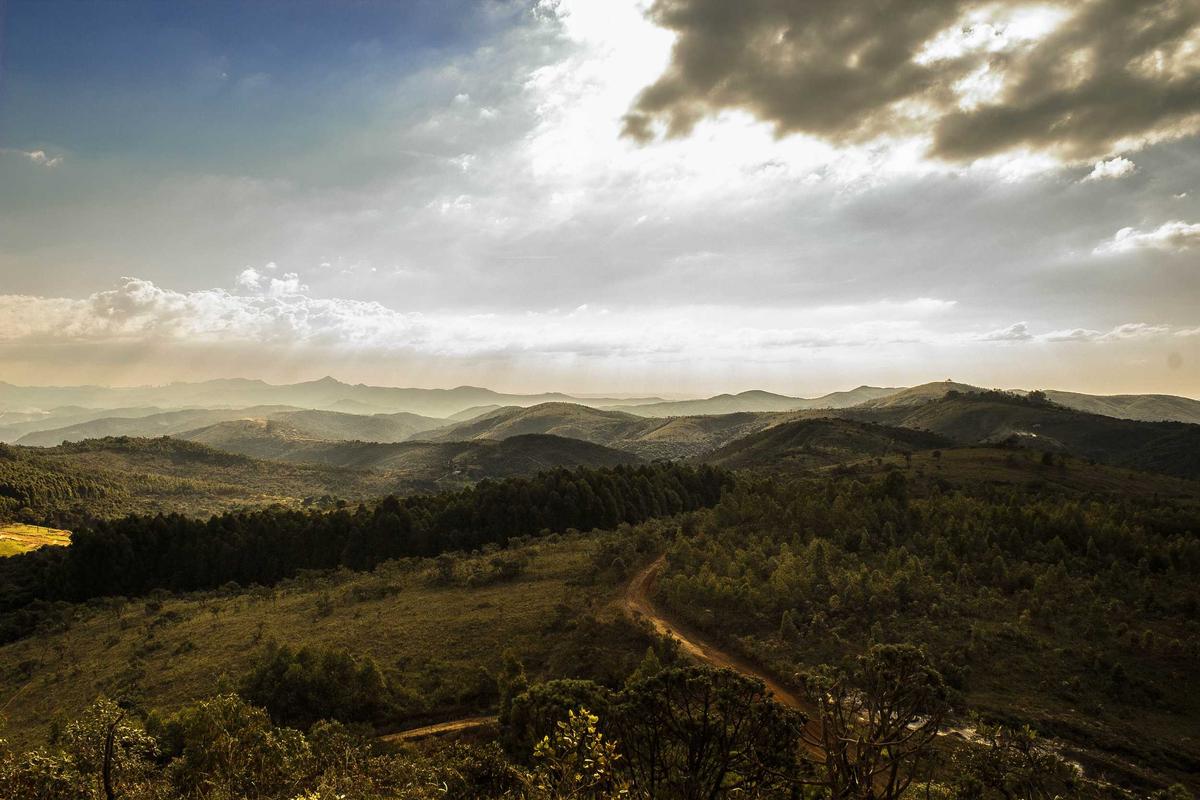
For the climate and science correspondent, there is a chilling parallel to note: the environment of Kayah State, once a lush mosaic of teak forests and terraced rice paddies, is now scarred by ordinance craters and refugee trails. The war's carbon footprint is non-trivial, from military fuel consumption to deforestation from internally displaced persons settlements. But the immediate human cost dwarfs any environmental calculus.
As London pushes for UN action, the question remains: how many more villages must burn before the world responds? The UK's diplomatic offensive is a start, but without enforcement mechanisms, it amounts to a stern letter. For the people of Hpruso, it is too late.