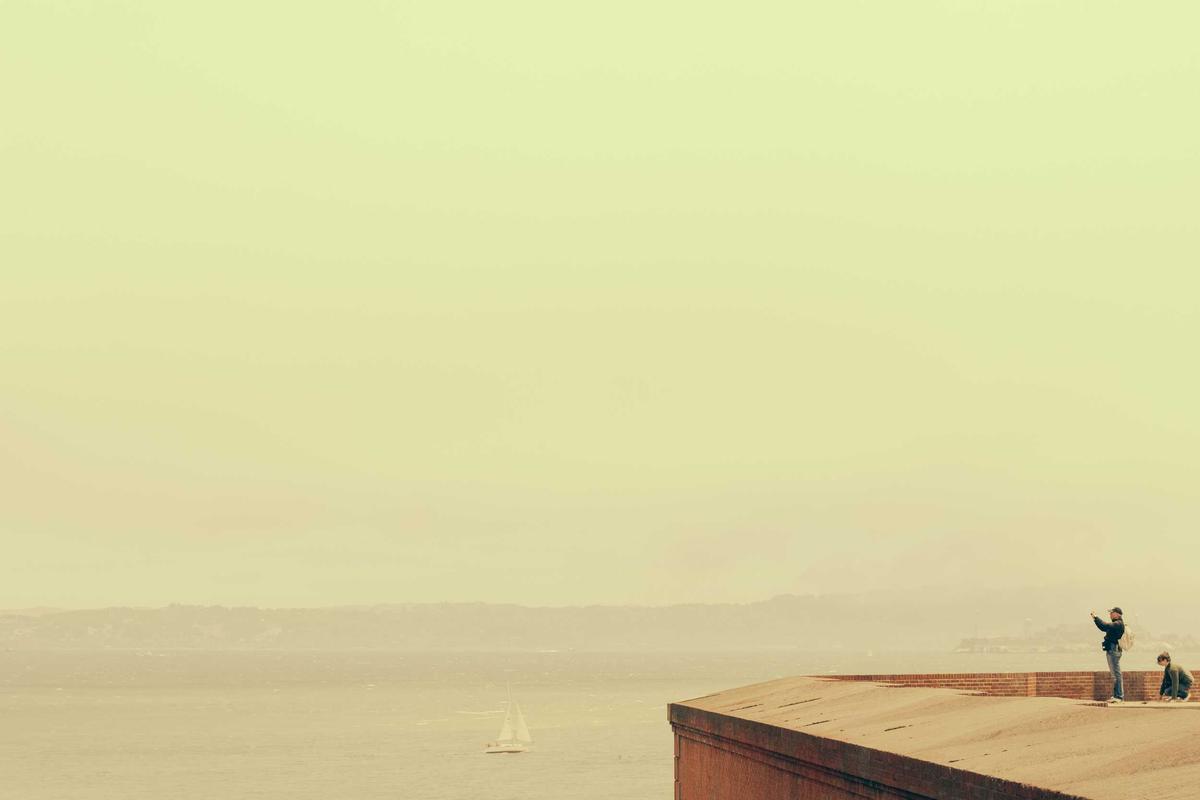
A fragile calm has settled over the Strait of Hormuz after a surprise US-Iran deal, with dozens of merchant vessels now transiting the vital waterway under the watch of British naval escorts. For the thousands of British families who depend on stable fuel prices and imported goods, this is a welcome but precarious reprieve.
Royal Navy frigates have been patrolling the strait since the agreement was announced on Tuesday, guaranteeing safe passage for tankers carrying crude oil and liquefied natural gas. The deal, which sees Iran suspend nuclear enrichment beyond a certain threshold in exchange for sanctions relief, has brought a temporary end to the standoff that saw the Iranian Revolutionary Guard seize several vessels earlier this year.
At the London office of the International Transport Workers' Federation, seafarers' union representative Geoff Peters told me: 'Our members have been living in fear. Every voyage through Hormuz was a gamble. This deal gives them a working chance, but we all know how quickly these things can unravel.'
For the UK's economy, the stakes are high. According to the Department for Business and Trade, nearly a fifth of the world's petroleum passes through the strait. Any disruption sends shockwaves through petrol forecourts and heating oil bills. The average household energy bill in Britain has already risen by 35% since 2020. A sustained closure would have been catastrophic.
Yet the cost of this deal is already being questioned by some. Unionised dockworkers at Felixstowe, the UK's busiest container port, worry that the agreement gives Iran a financial lifeline without enforceable labour protections. 'We're not naive,' said Margaret O'Donnell, a crane operator and shop steward. 'The regime that hangs union activists can't be trusted just because they signed a piece of paper. But if it stops a war, I'll take it.'
The British government has been careful to frame its role as a neutral guarantor, independent from the US. A Foreign Office spokesperson confirmed that HMS Diamond and HMS Montrose are on station, coordinating with French and Indian naval assets. 'Our priority is the free flow of trade and the safety of international crews,' the spokesperson said, declining to comment on the specifics of the deal.
For working people, however, the news is measured. In Rotherham, steelworker Alan Briggs told me: 'It doesn't put bread on my table. The cost of steel has gone up, not down. But at least it's not another war. My son is in the navy. He's out there right now. I want him home.'
As the tankers file through the strait, the world watches. The deal may bring down oil prices in the short term. But the deeper fractures in the global economy, the ones that leave families struggling to make ends meet, remain unaddressed. The Strait of Hormuz is open for business. The question is: for whose benefit?