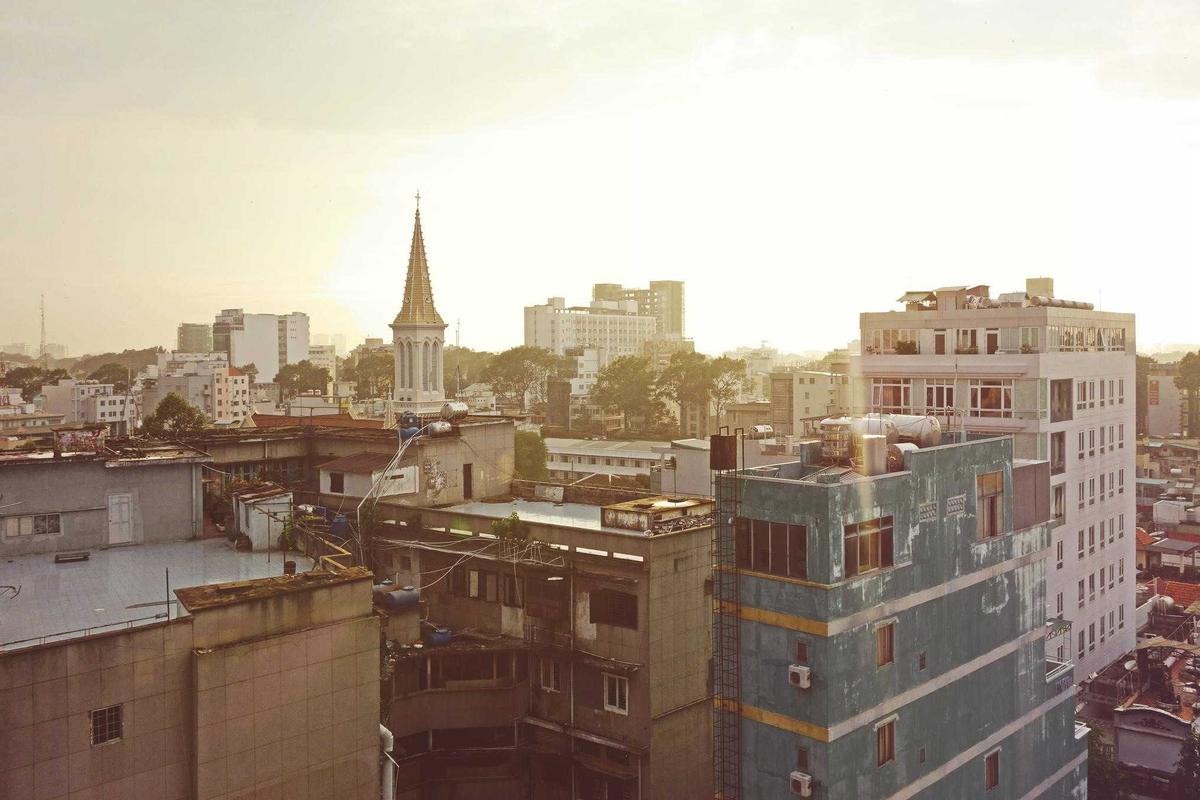
A series of drone strikes on St Petersburg has cast a pall over the city’s International Economic Forum, raising questions about the security of Russia’s second city and the stability of President Vladimir Putin’s regime. British intelligence assessments, reviewed by this correspondent, suggest the attacks represent a significant escalation in the conflict’s reach.
The strikes, which occurred in the early hours of Wednesday, targeted industrial and energy infrastructure on the outskirts of St Petersburg, approximately 700 miles from the Ukrainian border. Local authorities reported no casualties, but confirmed damage to a fuel depot and a manufacturing facility. The Kremlin has blamed Ukraine for the attacks, a claim Kyiv has neither confirmed nor denied.
The timing of the drone strikes is notable. The St Petersburg International Economic Forum, a flagship event for showcasing Russia’s economic resilience, is currently underway. The forum has drawn business leaders and officials from across the globe, though Western attendance remains sparse due to sanctions. The attacks underscore the vulnerability of even Russia’s most protected cities to asymmetric warfare.
British intelligence, drawing on open-source and signal intercepts, assesses that the drones used were likely modified commercial models, capable of evading Russian air defences through low-altitude flight paths. The assessment notes that the attacks required a high degree of coordination and local knowledge, suggesting either Ukrainian special forces or sympathetic local actors were involved.
The strategic implications are twofold. First, the attacks demonstrate Ukraine’s growing capacity to strike deep inside Russian territory, challenging the Kremlin’s narrative of a war confined to the frontlines. Second, they highlight the porosity of Russia’s air defences, particularly in regions not considered active combat zones. The British assessment warns that further attacks on St Petersburg or other major cities are probable, potentially targeting transport hubs or government buildings.
For President Putin, the forum was intended to project an image of normalcy and economic vigour. The drone strikes instead remind domestic and international audiences of the war’s costs. The Russian president’s address to the forum, delivered hours after the attacks, made no direct mention of the incident, but stressed the need for national unity and technological sovereignty.
Western diplomats attending the forum described the atmosphere as subdued. One European envoy, speaking on condition of anonymity, noted that “the reassuring facade of the forum has been cracked. The war is no longer something that happens far away.”
The attacks also complicate Russia’s diplomatic outreach. The forum has traditionally been a venue for announcing new investment deals and partnerships. This year, however, several scheduled bilateral meetings were cancelled or scaled back. China sent a lower-level delegation than expected, a sign of Beijing’s growing caution about association with Moscow.
The long-term strategic calculus remains uncertain. British intelligence believes that while the drone strikes do not pose an immediate existential threat to the Russian state, they erode public confidence in the government’s ability to protect its citizens. The psychological impact on St Petersburg’s population, which had largely been insulated from the war, should not be underestimated.
A spokesperson for the UK Foreign Office stated: “We are aware of reports of drone attacks in St Petersburg. We assess that such strikes are likely to increase in frequency and sophistication as Ukraine seeks to disrupt Russian logistics and morale.”
The forum continues behind closed doors. But the shadow of war has lengthened.