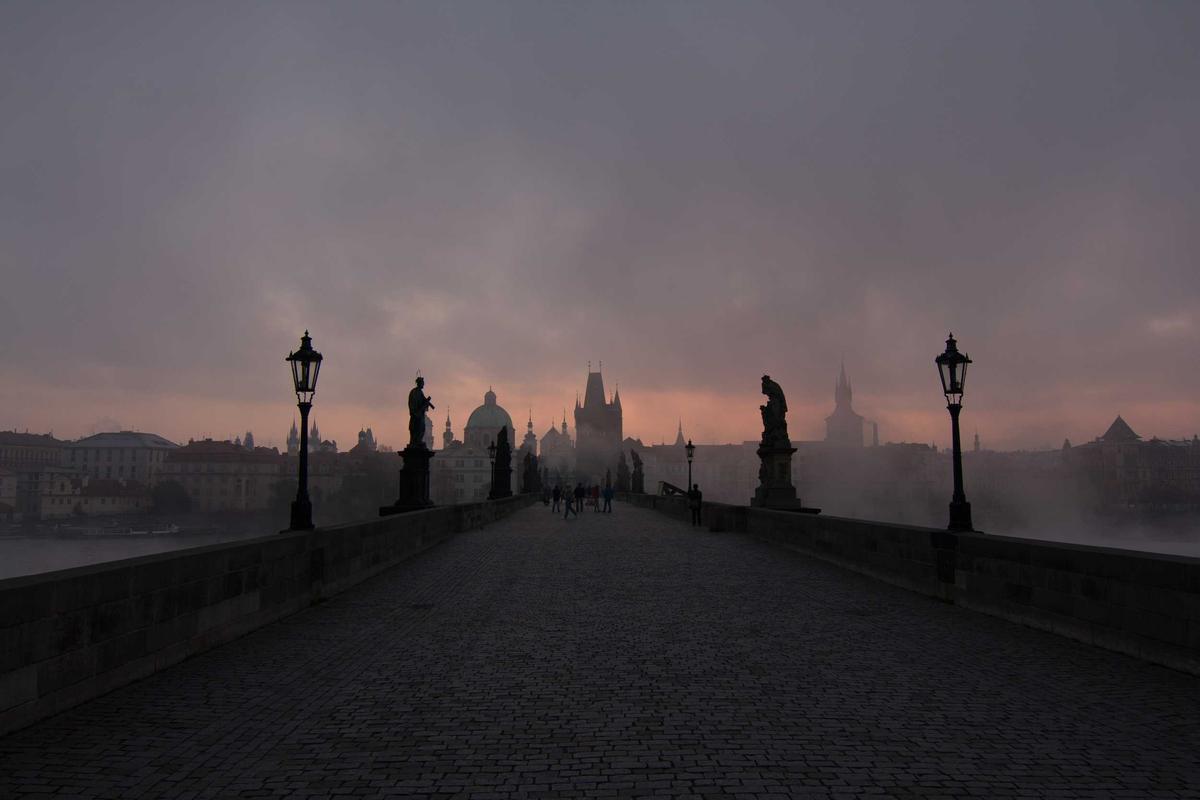
The rumble of explosions over St Petersburg has interrupted the carefully staged choreography of Russia's flagship economic forum. Drone attacks on the city, a symbol of imperial grandeur and now a frontline target, have forced a grim backdrop on an event designed to project stability. For the British worker watching from home, this is not a distant conflict. It is a direct hit on the wallets of the super-rich who fuel Putin's war machine.
The UK government has announced a new wave of sanctions aimed squarely at the luxury goods network that props up the Kremlin's elite. Think high-end watches, designer clothes, and private jets. The logic is simple: hit the oligarchs where it hurts, in their conspicuous consumption. But while headlines blare about frozen assets and superyachts, here in the North we ask: what does this mean for the price of a loaf of bread?
The answer is complicated. Energy prices, already volatile, could spike further if Russia retaliates by tightening gas supplies to Europe. Our heating bills, still painfully high after the winter, are sensitive to every tremor in the conflict. Meanwhile, the sanctions target a shadowy trade route worth billions. Luxury goods, from Swiss watches to Italian leather, have long been a currency for bribery and influence among Putin's cronies. Cutting that pipeline starves the regime of resources, but it also risks pushing up the cost of goods that filter down through global supply chains.
Yet there is a deeper point that too many London pundits miss. This war is being fought on two fronts: on the battlefields of Ukraine and on the bank accounts of the British high street. Rising inflation, stagnant wages, and the ongoing cost of living crisis are the domestic casualties of this conflict. Every pound spent on defence or humanitarian aid is a pound not spent on local schools or hospitals. Every sanction that hurts a Russian oligarch also risks a retaliatory trade disruption that hits UK manufacturing.
In St Petersburg today, the forum's agenda of 'economic sovereignty' rings hollow as residents hear explosions. For British workers, that sovereignty is a mirage when global instability drives up their food and fuel costs. The real economy is a chain: from a drone strike in Russia to a grocery shop in Manchester. Until our leaders acknowledge that connection and invest in domestic resilience, we will remain vulnerable to the whims of tyrants and the fallout from their wars.
The sanctions are necessary. But they are not a panacea. We need wage growth that outpaces inflation, not just handouts. We need a serious plan to insulate our energy supply from geopolitical shocks. And we need to remember that peace and prosperity start at home, not at a summit in a capital city built on gas money.