The Democratic Republic of Congo is bracing for a potential public health catastrophe as a new Ebola outbreak emerges in the country's Equateur province. With 54 cases reported and 29 deaths confirmed, the World Health Organization has flagged the situation as high risk, noting that the outbreak's epicentre is located in a remote, densely forested region that complicates containment efforts. The UK government has placed a rapid response team on standby, ready to deploy within 24 hours should the situation escalate further.
The outbreak, first detected on 11 June, is the sixth in the DRC since 2018 and the country's third in the past two years. The virus has already spread to two health zones, with health workers among those infected. The current strain belongs to the Zaire species, the deadliest strain of Ebola, with a case fatality rate averaging 50% in previous outbreaks. Despite the availability of vaccines and treatments that were developed after the catastrophic 2014-2016 West African epidemic, logistical hurdles and community mistrust remain formidable obstacles.
The UK's involvement is coordinated through the Foreign, Commonwealth & Development Office and the UK Public Health Rapid Support Team, a partnership between the UK Health Security Agency and the London School of Hygiene & Tropical Medicine. The team includes epidemiologists, social anthropologists, and infection control specialists. Their role would be to support the DRC's Ministry of Public Health in surveillance, contact tracing, and community engagement. A senior official stated that the team is 'ready to move within hours' if the DRC government requests assistance.
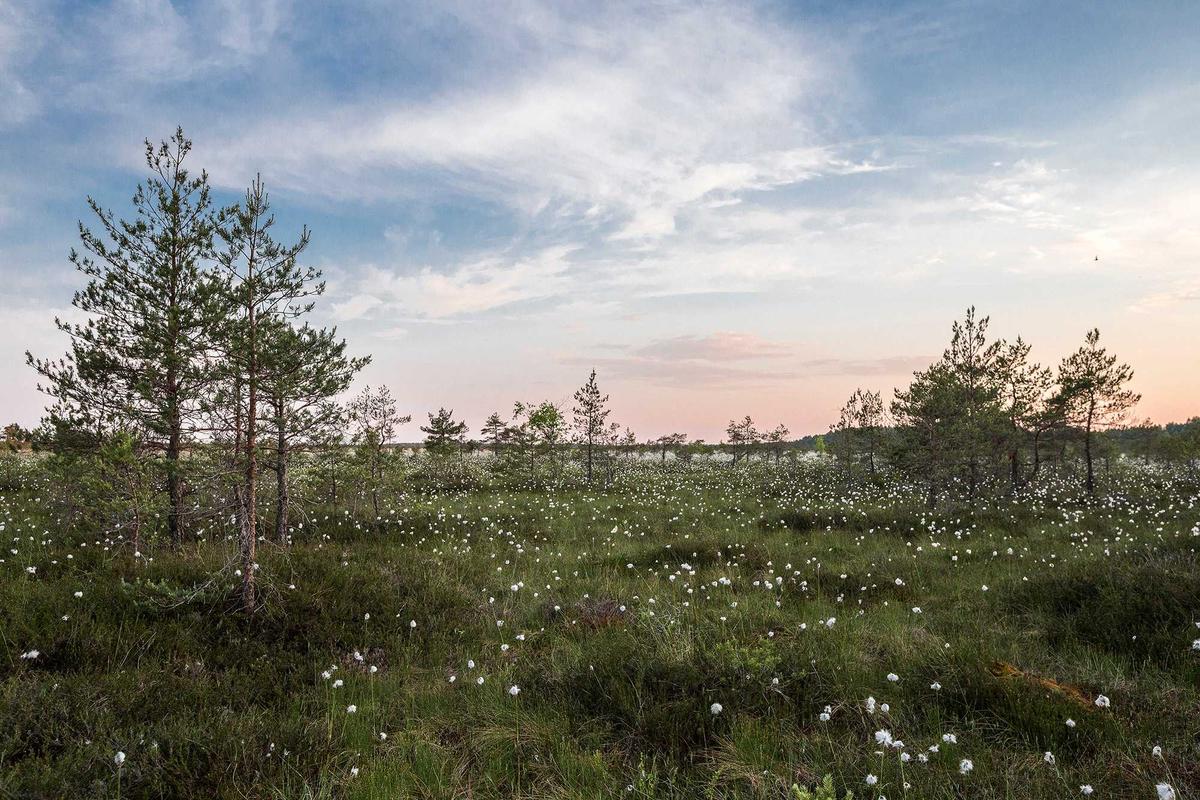
However, the efficacy of such interventions is a complex matter. The DRC has faced repeated Ebola outbreaks in recent years, each time leveraging the same arsenal of ring vaccination with the rVSV-ZEBOV vaccine and experimental therapeutics. Yet the success of these measures hinges on rapid detection and community buy-in. In this outbreak, the first cases went undetected for three weeks because they were mistaken for other febrile illnesses. This delay allowed the virus to gain a foothold in a region that spans 130,000 square kilometres of dense rainforest and rivers accessible only by dugout canoe.
The situation is further strained by the concurrent COVID-19 pandemic and the DRC's ongoing battle with measles and cholera. The country's health system, already fragile, is now facing a syndemic of infectious diseases. The UK's standby team, while a valuable resource, represents the limits of international response: rapid reaction can mitigate but not eliminate the risk of a wider outbreak.
Technologically, containment has evolved. The use of mobile health data systems for real-time surveillance, genomic sequencing to track viral mutations, and drone delivery of vaccines to remote areas are now part of the standard toolkit. The UK's response team will bring these capabilities, but their deployment depends on the DRC's digital infrastructure. In the Equateur province, internet penetration is below 10%, and electricity is intermittent, which could hinder data-driven approaches.
Moreover, the ethics of rapid response must be questioned. The UK has a historical responsibility in the region, and there is a fine line between humanitarian assistance and neo-colonial medicine. Community engagement is critical. Mistrust of foreign health workers, fuelled by rumours and historical exploitation, often undermines containment. Anthropologists on the team will attempt to bridge this gap, but their success is not guaranteed.
As the world watches, this outbreak is a stress test for global health security. The UK's rapid response team is a symbol of preparedness, but the true measure of success will be whether the outbreak is contained without deepening inequities or eroding trust. The clock is ticking, and the DRC's response will be a case study in whether the lessons from previous outbreaks have truly been learned.
While the technology and logistics exist to stop Ebola, the human factor remains the variable most resistant to control. The UK's team is on standby, but the outcome will depend on a fragile interplay of science, politics, and community will. For now, the world holds its breath.