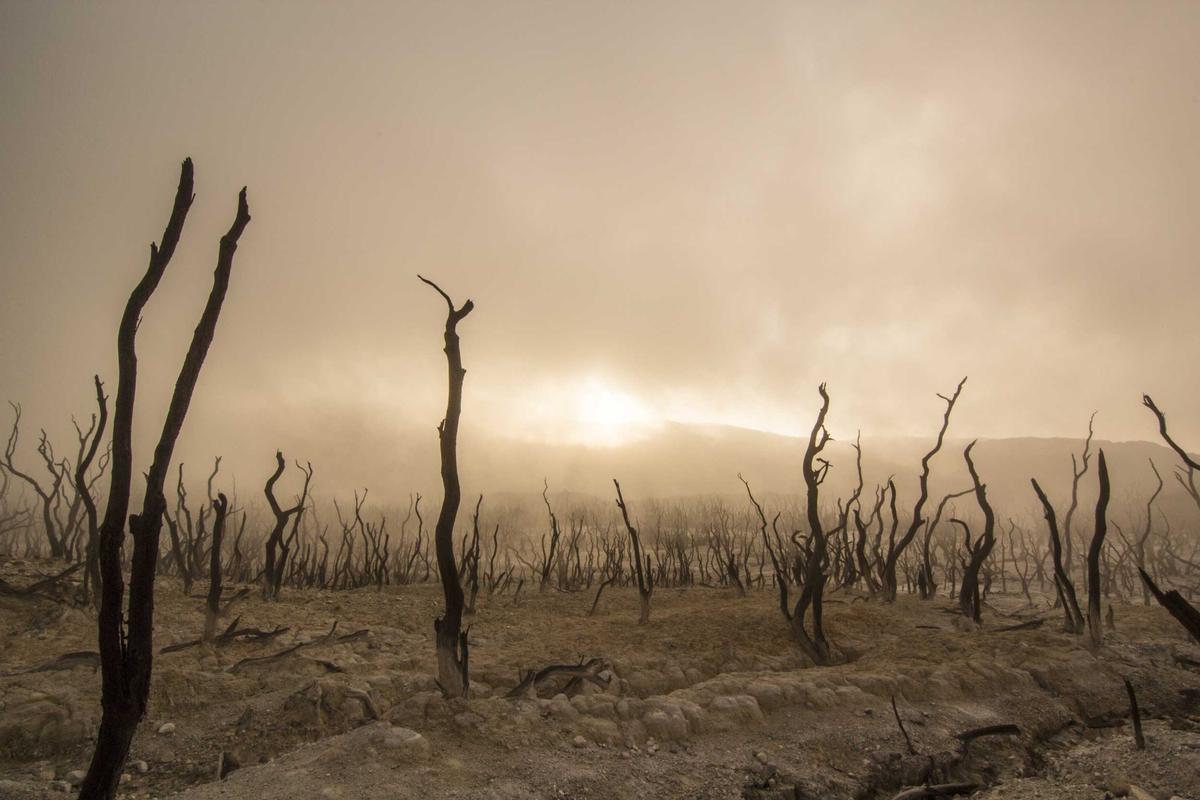
This is not the first time we have watched a nation crumble from afar, but the images from Venezuela this week strike a particular chord. The aftershocks of a political and economic collapse that has been years in the making have now left thousands abandoned, not by a natural disaster, but by the slow violence of institutional failure. Homes have been reduced to rubble, infrastructure is paralysed, and those who survived the initial tremors are now facing a second wave of despair: the quiet terror of being forgotten.
Yet, from across the Atlantic, a different story is unfolding. The Royal Navy has dispatched a relief vessel, a hulking symbol of old imperial reach now repurposed for humanitarian mercy. Its destination: the coast of a country that was once among the wealthiest in Latin America, now reduced to pleading for basic necessities. The ship carries medical supplies, engineers, and the promise of temporary shelter. But it also carries the weight of a deeper question. Why are we, a nation thousands of miles away, stepping in where regional powers have faltered?
The answer lies in the human cost, a cost measured not in barrels of oil but in the hollow eyes of families sleeping on pavements. In Caracas, the middle class has evaporated. The professional class, the doctors and teachers who once formed the backbone of society, have either fled or are now scavenging for food. The aftershocks have only accelerated this erosion, cracking open the last vestiges of normalcy. Social media is filled with desperate pleas for help, but also with moments of grim resilience. A woman sells arepas from the rubble of her home. A group of neighbours forms a bucket brigade to clear a collapsed street. They are not heroes in the cinematic sense. They are simply refusing to disappear.
The Royal Navy's deployment is a logistical move, yes. But it is also a cultural statement. It signals a shift in how we perceive global responsibility. For decades, Venezuela was a cautionary tale about resource dependence and populist mismanagement. Now, it is a mirror reflecting our own fragility. The divisions of class and ideology that once defined our view of the country have been washed away by the realisation that disaster is indifferent to politics. The wealthy have largely fled to Miami or Madrid. Those left behind are the poor, the elderly, the infirm. They are the ones who now look to a foreign flag for salvation.
On the streets of London, the crisis feels distant, but it is not. The cost of fuel, the price of coffee, the chatter of pundits: these are the distant echoes of Venezuela's collapse. And yet, the aid ship is a reminder that some distances can be bridged. The sailors on board will not solve Venezuela's problems. They will not rebuild its economy or restore its democracy. But for a few weeks, they will bring water, medicine, and the quiet dignity of being seen. That is a start.
In the end, the true aftershock may not be the tremor itself, but the realisation that in a globalised world, no nation is an island. We are all, in some way, bound to the fate of those we thought we had left behind. The Royal Navy vessel is a symbol of that bond. The question is whether we will let it be the beginning of a new solidarity or merely a footnote in a long history of forgotten crises.