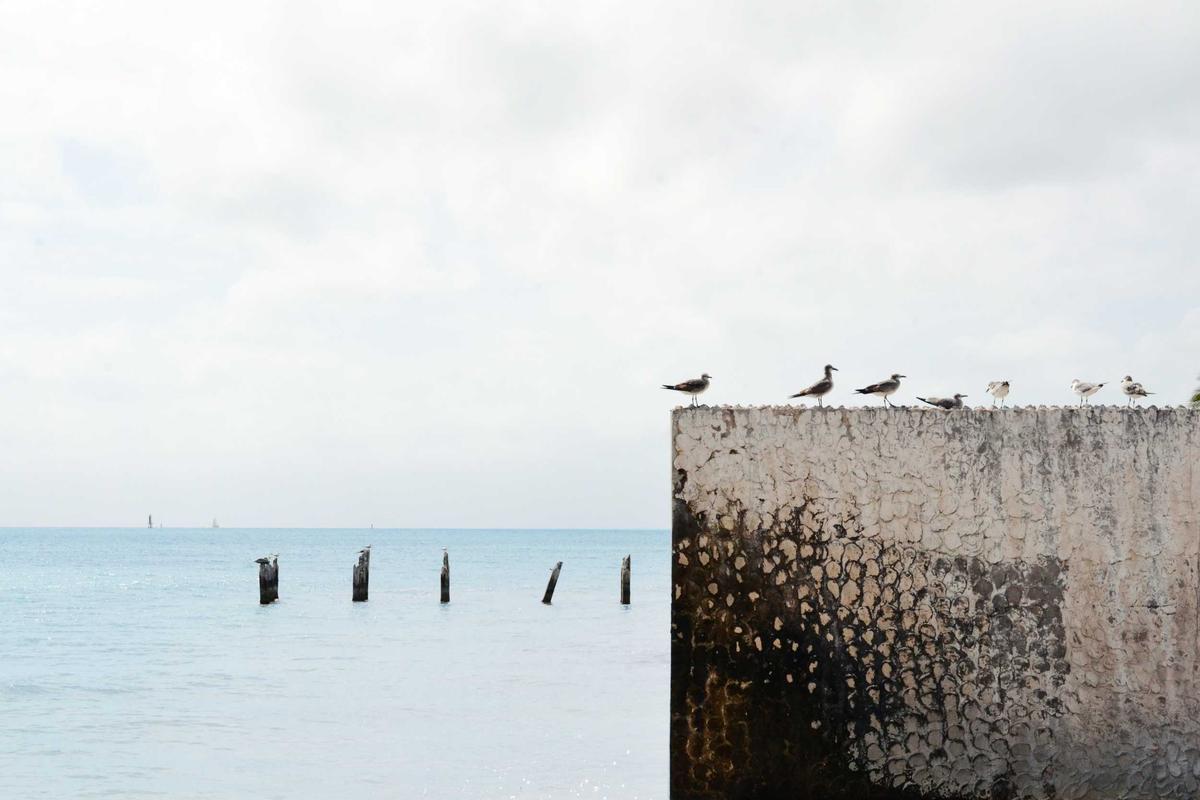
The Bank of England has announced a shortlist of 18 native species to feature on the next series of banknotes, a decision that underscores the nation’s evolving relationship with its natural heritage. The curated list includes familiar animals such as the red squirrel and hedgehog, less celebrated species like the natterjack toad and the common toad, and notable flora including the oak tree and the bluebell.
The move is part of a broader initiative to replace the current polymer notes, done in consultation with conservation groups. Previous designs have favoured historical figures; the most recent £50 note featured Alan Turing, and the £50 note before that carried Matthew Boulton and James Watt. This marks a deliberate shift towards the natural world, a recognition that British culture encompasses not only its human achievers but also its ecological inheritance.
The selection criteria prioritised species with strong public recognition, geographical spread across the UK, and a connection to Britain’s diverse landscapes. The red squirrel, a native mammal whose decline has been linked to the introduction of the grey squirrel, symbolises vulnerability and conservation efforts. The hedgehog, a favourite in suburban gardens, represents the resilience of wildlife in human-dominated environments. The bluebell, with its distinctive carpet of spring flowers, is emblematic of ancient woodlands.
Conservation groups have welcomed the shortlist as a platform for raising awareness. The RSPB noted that many of the species listed are under threat from habitat loss, pollution, and climate change. The natterjack toad, for instance, occupies only a handful of coastal sites in England and Scotland. The common toad, more widespread, still faces pressure from road mortality and disease.
Some critics argue that the selection should have been narrowed further or that the notes could have featured a single, highly recognisable species. Others question whether wildlife imagery will endure as well on currency as portraits, given the complexity of engraving small mammals and flowers. The shortlist will now be subject to a three-month public consultation, with the final decision expected in autumn 2024. The new notes are not expected to enter circulation until 2026 at the earliest.
The move echoes broader European trends. Sweden’s Riksbank introduced wildlife-themed notes in 2015, featuring the eagle owl, the Atlantic salmon, and the European honeybee. The Bank of England’s shift is less about abandoning tradition and more about expanding the narrative of British identity to include the natural landscape.
The shortlisted species are as follows: red squirrel, hedgehog, otter, barn owl, kingfisher, puffin, bumblebee, blue tit, robin, hare, red deer, common seal, oak tree, bluebell, house sparrow, herring gull, natterjack toad, and common toad. Public feedback will be collected via the Bank’s website and consultation events across the country. The next stage will involve designing the notes, a process that typically takes 18 to 24 months. The final series of banknotes will include polymer options in £5, £10, £20, and £50 denominations, with each featuring a distinct species or plant.
For now, the debate moves from the boardroom to the public sphere. The choice of species for banknotes says something about the nation’s priorities. The question is which aspect of British wildlife the public wishes to carry in their wallets.