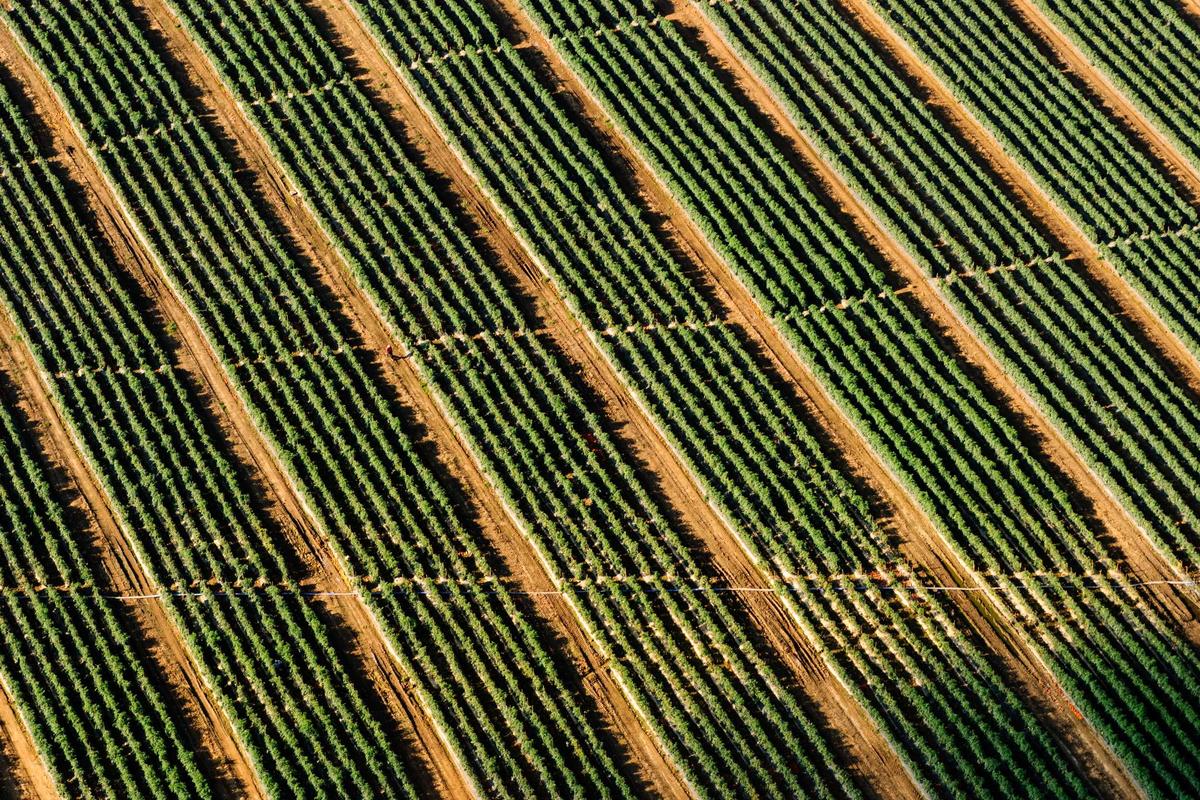
The financial markets are waking up to a new spectre: El Niño. The Met Office has issued a stark warning that Britain must prepare for extreme weather events as the climate phenomenon threatens to disrupt global food supply chains. For those of us who track the bottom line, this is not merely a meteorological concern but a fiscal liability of the first order.
Let us parse the data. El Niño, a warming of the Pacific Ocean, historically ushers in chaos for agricultural output. The last significant event in 2015-2016 saw commodity prices spike, with wheat and maize soaring by double digits. The current forecasts suggest a 70% chance of a strong El Niño developing by the end of this year. If that materialises, we can expect droughts in Australia, floods in South America, and monsoon disruptions in Asia. The net effect? A contraction in global grain supplies and higher food prices.
For the UK, the implications are twofold. First, as a net importer of food, any rise in global prices will pass through to supermarket shelves. The Bank of England may find its inflation targets further strained, complicating monetary policy. Second, the Met Office warns of more extreme domestic weather: hotter summers and wetter winters. This could hit British farming, particularly cereals and livestock. The Treasury may need to factor in higher agricultural subsidies or emergency imports.
The market reaction has been muted so far, but that is a mistake. I see parallels to the 2007-2008 food crisis, when a combination of weather shocks and policy missteps sent prices spiralling. Central banks are already grappling with inflation; an El Niño-induced spike could force the Bank of England to hold rates higher for longer, choking off investment. Gilt yields may rise as the market prices in increased fiscal risk, especially if the government pledges support for farmers.
Capital flight is another concern. Investors tend to flee to safe havens like the US dollar during times of agricultural stress. Sterling could weaken, adding to import costs. The Treasury would be wise to monitor this closely, though I suspect they are already preoccupied with the looming recession.
Fiscal responsibility must be the watchword. The government should resist knee-jerk subsidies that distort markets. Instead, focus on strategic reserves and trade diversification. The City remembers the 2010 Russian wheat ban, which sent prices skywards. Let us not repeat the same mistakes.
In short, El Niño is not a distant thunderstorm but a gathering storm on the balance sheet. The markets will soon price in its effects. Brace yourselves, gentlemen. The weather has a way of revealing fiscal vulnerabilities.