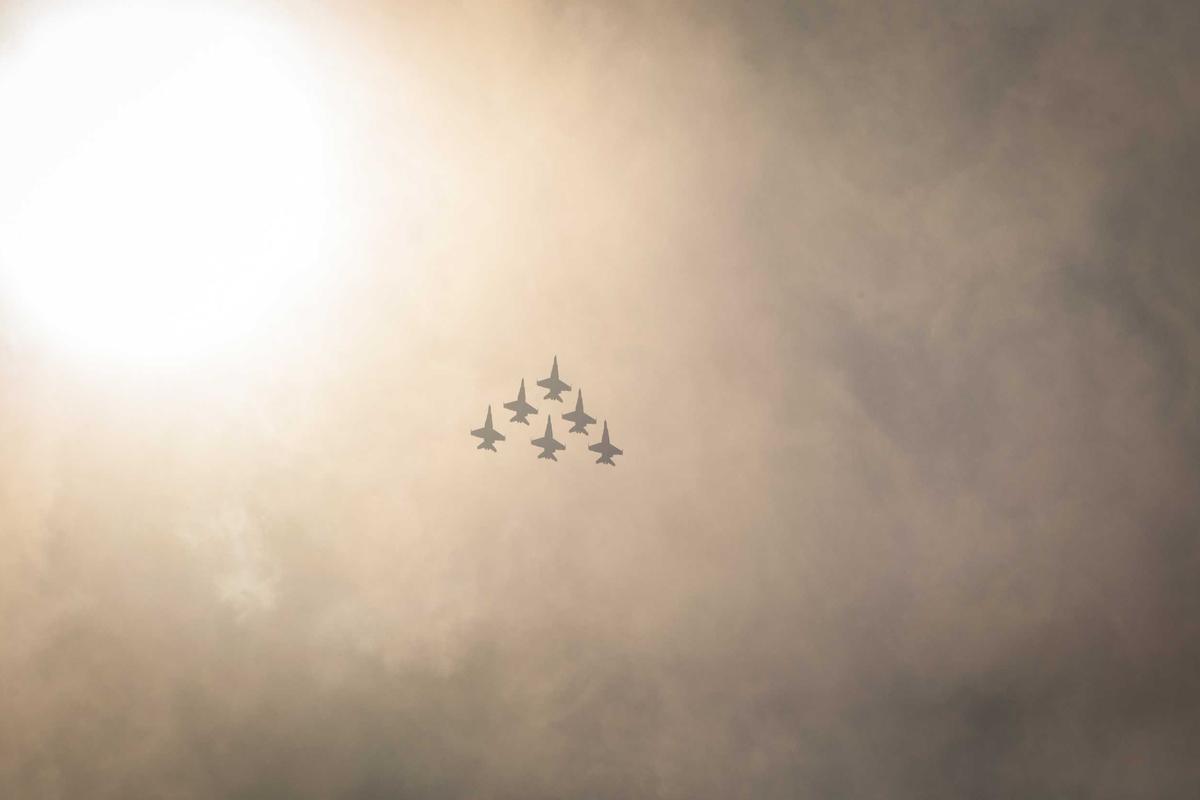
EUROPEAN AEROSPACE COLLABORATION, that grand soufflé of bureaucratic dreams and national vanity, has collapsed in a spectacular heap of glittering debris. The Franco-German Future Combat Air System (FCAS) has been well and truly knackered. Sources whisper of a final, furious row over who gets to build the coffee machine for the cockpit. The result? The UK’s Tempest programme, once the awkward teenager at the NATO party, now stands as the sole, brooding contender for Europe’s aerial defence future.
Let us not pretend this is a surprise. Franco-German industrial partnerships have the structural integrity of a soggy baguette. The French want everything to smell of garlic and state control; the Germans want it all to be efficient, cautious, and occasionally reminded of the war. The Brits, meanwhile, have been quietly developing Tempest with the sort of pragmatic, stiff-upper-lip lunacy that gave us the Spitfire and the Harrier. It’s a jet designed by people who still think the Empire is just resting.
But tonight, the situation is grimly hilarious. The FCAS, conceived to much fanfare and even more photo opportunities, has perished under the weight of its own contradictions. Imagine a committee trying to design a lightning bolt: that was FCAS. The Tempest, on the other hand, is being built by BAE Systems, Rolls-Royce, and MBDA, with a side of Italian and Japanese know-how. It’s like a pub team that just won the Champions League by default because the other side’s star player was sent off for arguing about the offside rule in sign language.
What does this mean for the beleaguered taxpayer? It means the UK will now likely hoover up lucrative export orders from nations previously waiting to see which way the wind blew. Countries like Italy, already a partner in Tempest, will now double down. Saudi Arabia? Qatar? Even Japan is sniffing around. The message is clear: if you want a sixth-generation fighter that doesn’t come with a phrasebook and a therapist, call London.
But let us not cheer too loudly. The Tempest is still a cash gobbler of staggering proportions. The projected cost is north of £20 billion, and that’s before the first prototype inevitably does a backflip and melts into a puddle of embarrassment. The Ministry of Defence, a department that spends money like a drunk sailor on shore leave, will no doubt manage to turn this triumph into a saga of delay, cost overrun, and a final jet that looks like a cross between a stealth bomber and a garden shed.
For now, though, the headlines write themselves. “Britain Leads Europe’s Skies.” “Tempest Soars as FCAS Crashes.” The reality is more prosaic: a bunch of angry engineers in Bristol arguing over composite materials while the French and Germans glare at each other across a conference table stained with cheap wine. But that, my friends, is the beauty of this absurd profession. We report on the theatre of the damned, and tonight the stage is set for a British victory that feels suspiciously like a pyrrhic one.
So raise a glass of airport gin to the Tempest. It may cost a fortune, it may never fly, but by God, it’s ours. And that, in this age of communal cowardice, is worth a wry smile.