A relentless heatwave across central and western Europe has set new temperature records in Germany, with the mercury climbing above 40 degrees Celsius in several regions, and the United Kingdom now bracing for its own extreme weather event. The German Weather Service confirmed that a reading of 41.5°C in the city of Duisburg on Wednesday surpassed the previous national record of 40.3°C set in 2015. At least three heat-related deaths have been reported in the country, with authorities warning that the elderly and those with pre-existing medical conditions face the greatest risk.
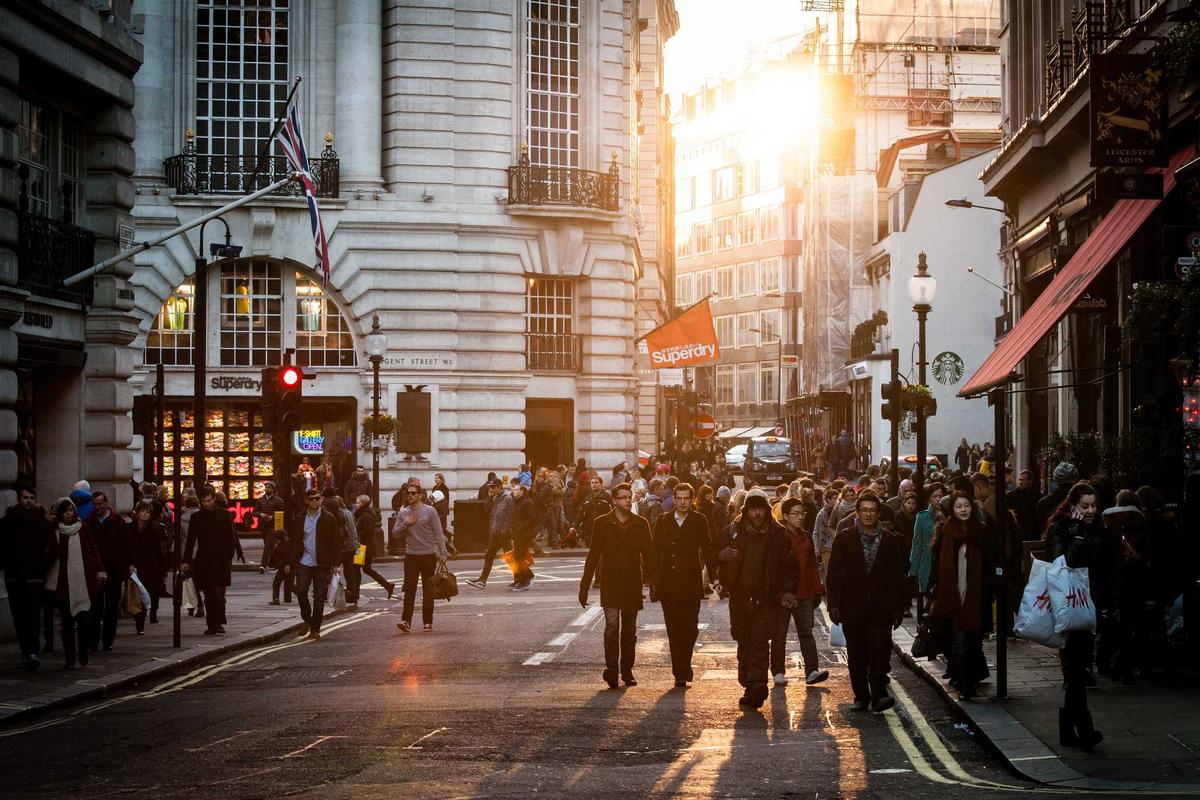
The heatwave, which has been building over the past week, is the result of a high-pressure system drawing hot air from North Africa. The same system is now moving north-west, prompting the UK Met Office to issue its first ever extreme heat warning for parts of England. Temperatures are expected to reach 39°C on Friday, a level that would break the British record of 38.7°C set in Cambridge in 2019. The warning covers much of southern and central England, including London, and remains in effect until Sunday.
Transport infrastructure is already under strain. In Germany, Deutsche Bahn imposed speed restrictions on several high-speed rail lines to prevent track buckling, causing delays across the network. The German government activated its national heat-health plan, which includes opening cooling centres and extending hours for public swimming pools. In the UK, Network Rail announced that it would introduce similar speed limits from Friday, while the National Health Service braced for a surge in emergency calls. A spokesperson for the UK Health Security Agency described the situation as “a serious public health emergency.”
The agricultural sector has also reported early signs of crop damage. In France, where temperatures exceeded 40°C in some southern departments, the wine industry expressed concern over accelerated ripening. Meanwhile, the European Forest Fire Information System listed France, Spain and Portugal as being at extreme risk of wildfires. In Germany, a small fire near Berlin was brought under control quickly, but officials warned that conditions remained volatile.
Climate scientists remain cautious about directly attributing this single event to global warming, but the pattern is consistent with their projections. Dr Friederike Otto, a climatologist at Imperial College London, said that such extreme temperatures are becoming more likely and more intense as the climate changes. “What was once a once-in-a-century event is now something we can expect every few decades,” she said. The European Union’s Copernicus Climate Change Service has confirmed that the continent experienced its hottest June on record this year.
For now, governments are focused on immediate risks. Heatstroke, dehydration and respiratory distress are the primary health concerns. German officials have urged the public to stay hydrated and avoid outdoor activity during peak afternoon hours. In the UK, the Royal Life Saving Society warned of an increased risk of drowning as people flock to rivers and lakes to cool off.
The heatwave is expected to persist into the weekend, with a slight easing from Sunday onward as a cold front moves in from the Atlantic. But the respite may be brief. Meteorologists predict that another hot spell could arrive early next week, prolonging the danger across much of the continent.