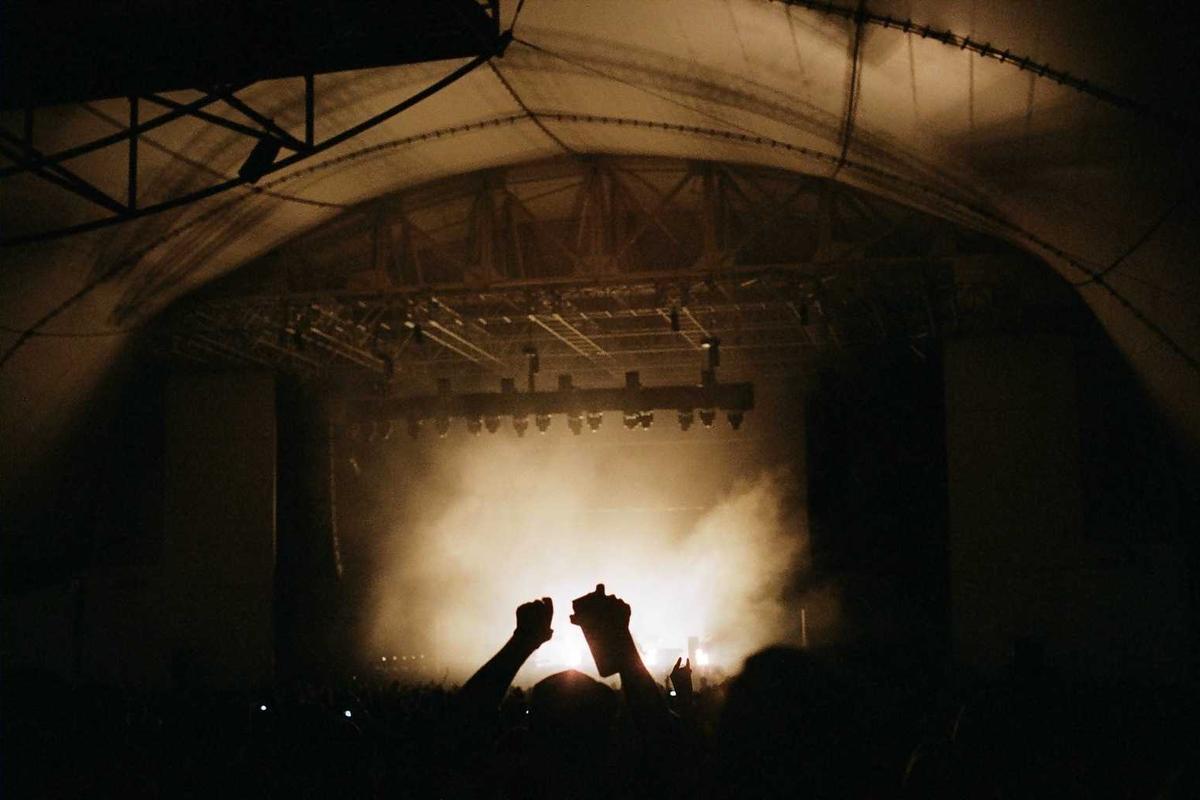
The roar from Sofia airport was deafening. Dara, the triumphant Eurovision winner, stepped off the plane to a sea of flag-waving Bulgarians. A political victory lap for a nation that has long craved cultural validation on the European stage. The scenes were pure stagecraft; choreographed by a slick team of behind-the-scenes operators.
But the real story? The quiet nods of approval from the UK production crew. The ones who made it look easy. The unsung heroes of the broadcast. Their work was flawless. No technical glitches. No awkward camera cuts. Just a seamless feed beamed to 200 million viewers. That wasn't an accident.
Westminster sources tell me the BBC's Eurovision unit has been quietly lobbying for more funding. This will be their ammunition. A 'soft power' triumph. The kind that civil servants love to cite in memos. “Look what we can do on a shoestring,” they whisper.
But there's a darker undercurrent. The political class is already circling. The Culture Secretary is believed to have signed off on a congratulatory letter. Expect a flurry of photo-ops before the memory fades. Meanwhile, Dara's team is fielding calls from every record label in London. The machine is hungry.
For Number 10, Dara's success is a convenient distraction. A feel-good story to paper over the cracks of a difficult week. The PM's comms team will be scrambling to align themselves with the victory. Expect a tweet. Or a doorstep comment. The game is always the same.
Back in Bulgaria, the crowd is still singing. Dara's victory lap continues. But behind the scenes, the UK production team is packing up. Their work is done. Another flawless broadcast in the books. They know the credit will fade. But the next contract? That's the prize. The game never ends.