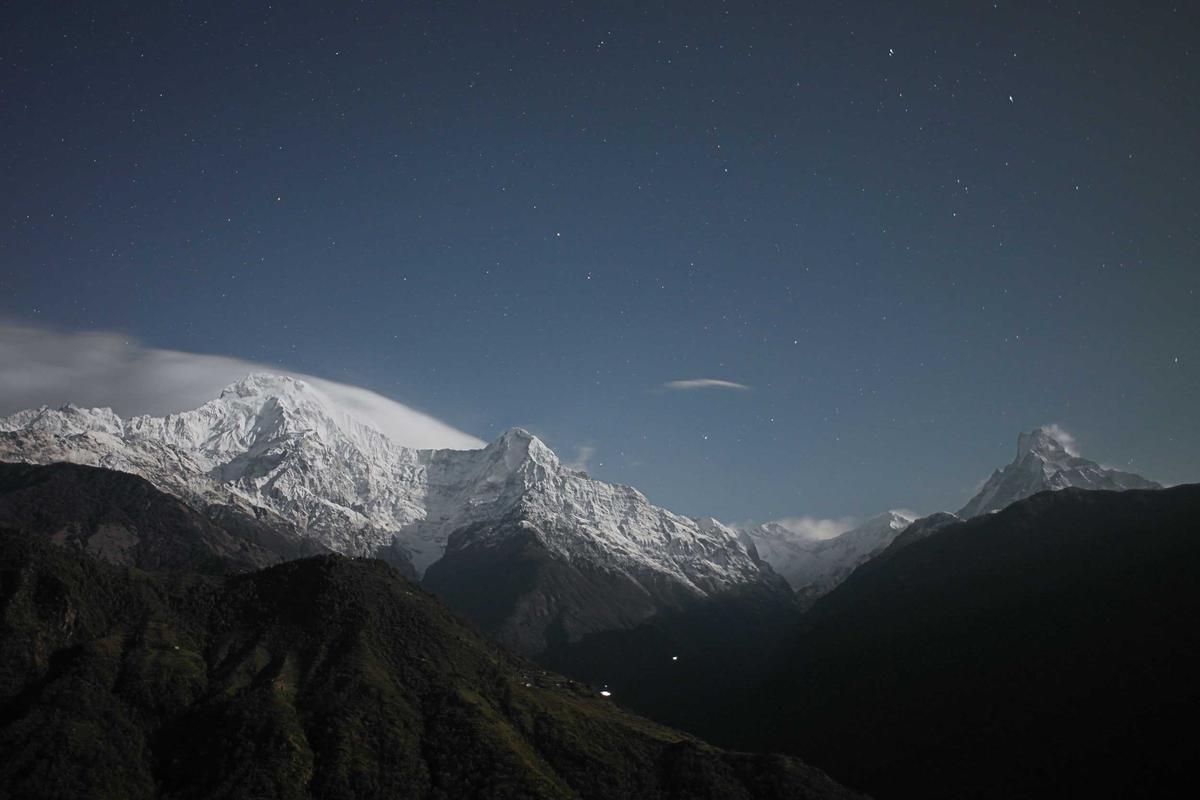
A guide on Mount Everest was rescued on Tuesday after spending six days stranded at an altitude of more than 7,000 metres, in an operation that underscored both the risks and the resilience of high-altitude mountaineering.
The guide, a Nepali national whose identity has not been officially released, was separated from his team during a storm on the Lhotse Face. He survived by taking shelter in a crevasse, subsisting on limited food and melted snow. Rescue teams, hampered by severe weather and the technical difficulty of the terrain, finally reached him in a joint effort involving helicopter support and ground climbers.
The British mountaineering community, which maintains a significant presence on Everest during the spring climbing season, has expressed relief and celebration at the outcome. Sir John Hemming, a veteran British climber and former president of the Alpine Club, described the rescue as "a testament to the professionalism of the guiding community and the camaraderie that defines high-altitude climbing."
The incident has reignited debates about safety standards and the commercialisation of Everest. Critics argue that the increasing number of inexperienced climbers and the pressure to summit have led to more frequent emergencies. However, advocates of the guiding industry point to the skill of local guides and the improvements in rescue technology.
The rescued guide was airlifted to Kathmandu for medical treatment, where he is reported to be in stable condition. The British Foreign Office confirmed it had been in contact with local authorities but declined to comment further.
For the families and friends of the guide, the rescue marks an end to a harrowing ordeal. For the wider mountaineering world, it serves as a reminder of the thin line between triumph and tragedy on the world's highest peak.