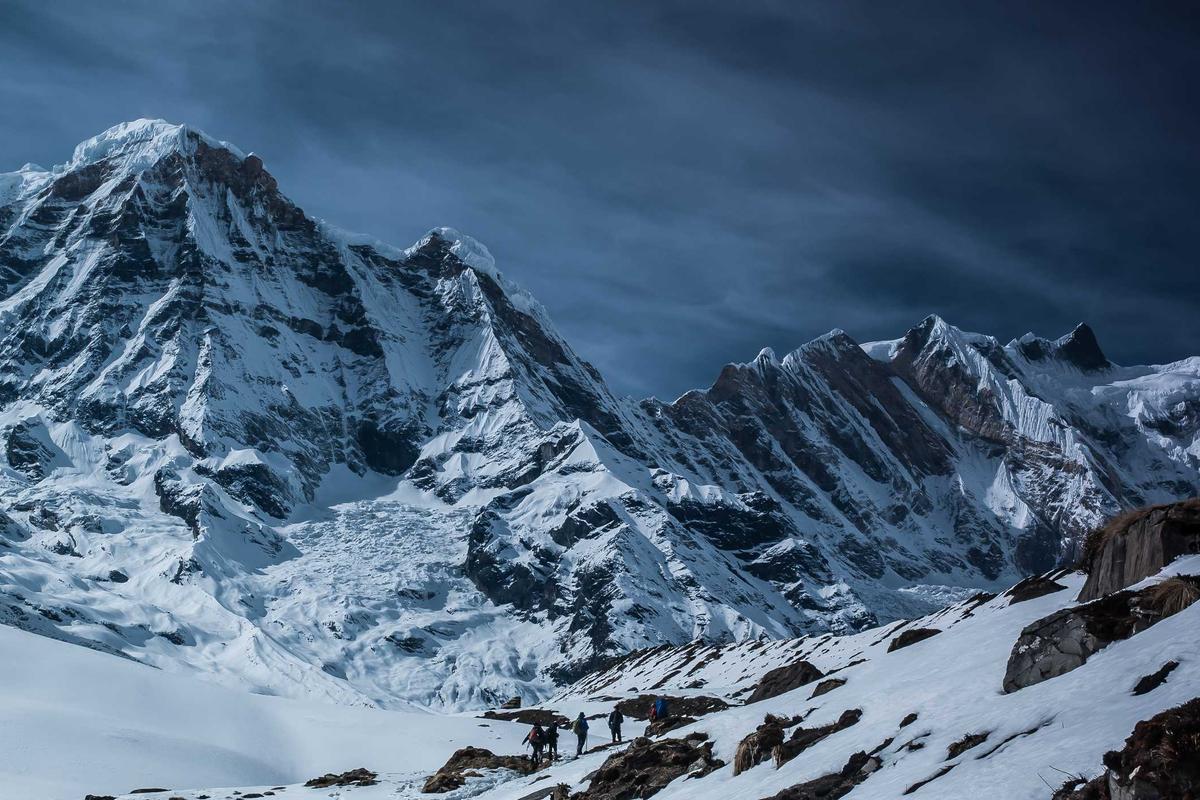
A Nepali guide has survived six days stranded high on Mount Everest with nothing but a bar of chocolate and melted ice, in a story that has drawn praise from British mountaineering experts for its sheer grit. The guide, whose name has not been released, was caught in a sudden storm while fixing ropes at 8,300 metres last Tuesday. Separated from his team, he spent the next 144 hours in a shallow ice cave, rationing a single chocolate bar and sucking on ice chips to stave off dehydration.
Rescuers finally reached him yesterday, weak but conscious, after a window of clear weather allowed a helicopter to land at Camp 4. He was airlifted to Kathmandu where doctors say he is recovering from severe frostbite and exhaustion. "It is nothing short of miraculous," said Alan Hinkes, the first British climber to summit all 14 of the world's 8,000-metre peaks. "Surviving at that altitude for even one night without proper gear is remarkable. Six days? That is the stuff of legend."
The guide's ordeal highlights the brutal conditions that define the world's highest peak. Temperatures at the South Col, where he was stranded, can plunge to minus 40 degrees Celsius. Winds often exceed 100 miles per hour. Yet the guide, a veteran of 12 Everest seasons, found a crevasse that offered some shelter. He used his climbing rope to fashion a makeshift door against the wind. He had no stove or sleeping bag. "He is a very tough man," said Kamal Rai, a friend who works for a Kathmandu trekking agency. "He told me he ate just a little chocolate each day. He knew he had to make it last."
The rescue operation was launched after the guide's family reported him missing. His brother, also a mountaineer, contacted the Nepal Mountaineering Association. Two Sherpas from a commercial expedition set out from Camp 2 with oxygen and supplies. They found him on the sixth day, frostbitten but alert. "He was making snow tea from his helmet," said one rescuer. "He had a plan to survive."
British climber Kenton Cool, who has summited Everest 17 times, said the survival story was a testament to the resilience of high-altitude workers. "Guides like him are the backbone of the climbing industry," Cool said. "They carry the loads, fix the ropes, and often get the least credit. This man's strength is a humbling reminder of their courage." The guide's identity is being withheld at his request. His family said he was embarrassed by the attention and wanted to return quietly to his village.
The incident has once again raised questions about safety on Everest, where overcrowding and inexperienced climbers have led to disasters in recent years. But for now, the mountaineering community is focusing on the positive: a man who refused to die. "He is the personification of the mountain spirit," Hinkes added. "He did not panic. He did not give up. He used his experience and his will to live. That is why we climb."
As the news spread, tributes poured in from around the world. The British Mountaineering Council released a statement praising the guide's "extraordinary survival instinct". Even the Nepalese government, which has faced criticism for its handling of Everest permits, seized on the story as a symbol of national pride. "Our Sherpas are legendary," said Tourism Minister Bimalendra Nidhi. "This man has made Nepal proud."
For the guide, now recovering in a Kathmandu hospital, the ordeal is over. Doctors say he may lose some fingers to frostbite, but his spirit remains unbroken. He has already asked about the route conditions for next season.