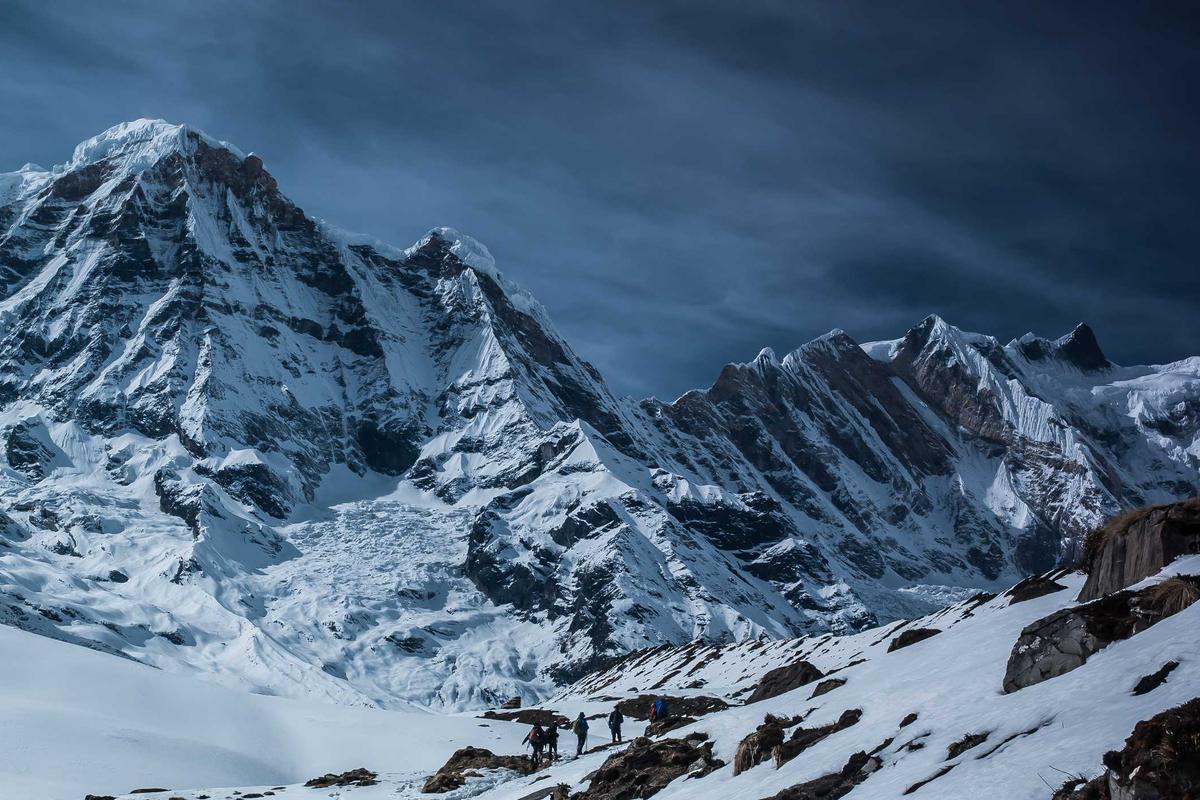
The story of a Nepalese guide surviving six days on a glacier with nothing but chocolate and ice is, on the surface, a tale of human endurance. But for those of us watching from the City, it is a stark metaphor for the resilience required in today’s financial landscape. This guide, stranded on Everest, made do with what he had. He didn’t wait for a rescue helicopter. He didn’t complain about market conditions. He adapted. He survived.
British climbers, interviewed in the aftermath, have recalled similar feats. One noted that his own survival on K2 in 2019 came down to a single energy bar and melted snow. The parallels to the current economic climate are striking. We are all, in a sense, stranded on a glacier of our own making. Fiscal policy has become a thin oxygen line, and the markets are the crevasse waiting to swallow us.
Consider the gilt market. The yield on the 10-year gilt has been volatile, a direct reflection of the market’s lack of confidence in the government’s spending plans. The guide’s chocolate ration is a metaphor for the dwindling fiscal headroom we have left. Every percentage point of inflation is a bite out of that chocolate bar. Every rate hike from the Bank of England is another step towards the edge of the crevasse.
Central bank policy, once the reliable Sherpa of the financial world, has become unpredictable. The Bank of England’s efforts to tame inflation have been likened to an attempt to climb the Hillary Step in a blizzard. It’s possible, but the margin for error is non existent. The guide survived because he knew his limits. He conserved energy. He made rational decisions under extreme duress. Our policymakers could learn from that.
Capital flight is the ultimate measure of confidence. When investors start moving money out of London, we know the oxygen is thin. The guide’s survival depended on staying put, conserving what he had. Britain cannot afford a capital exodus. Yet the signs are there: the pound has been under pressure, and foreign direct investment has become hesitant. We need a strong, stable fiscal environment to keep investors from heading for the base camp of a more welcoming jurisdiction.
The British climbers who survived similar ordeals stress the importance of preparation. They didn’t pack chocolate and hope. They planned for the worst. Our government must do the same. The budget must be a meticulous supply list, not a wish list. Every line item must be scrutinised. Every unnecessary expense is another pound of weight that could trigger an avalanche.
Market volatility is the crevasse we all fear. The guide’s story reminds us that volatility can be survived with the right mindset. A 5% drop in the FTSE is not a catastrophe. It is a test of nerve. The guide did not panic when he realised his tent was gone. He built a shelter from ice. We must build our portfolios with that same resilience. Diversification is our ice shelter. Cash is our chocolate bar.
In the end, the guide was rescued. But he rescued himself first. The markets will not be rescued by government bailouts or central bank interventions. They will be rescued by sound economic fundamentals, by fiscal discipline, and by the quiet heroism of investors who refuse to panic. Let the story of the Everest guide be a lesson. We have the chocolate and the ice. Now we need the will to survive.