A Himalayan guide has been pulled from the death zone of Mount Everest after surviving for six days on nothing but chocolate bars and melted ice, prompting the British Mountaineering Council to describe his rescue as a testament to ‘an extraordinary will to live.’
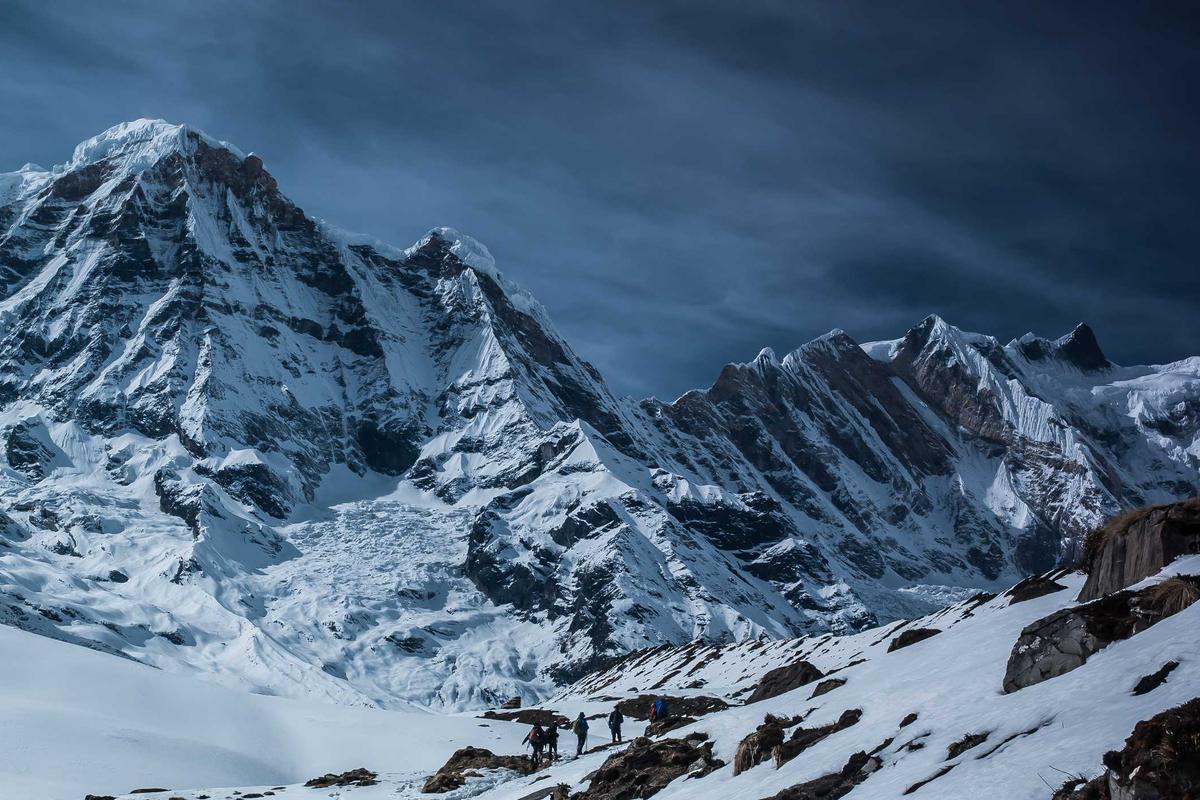
The 32-year-old Nepali guide, identified only as Pemba, was found alone in a tent at an altitude of 7,900 metres after a storm separated him from his climbing party last Monday. He had been presumed dead by his family and colleagues. When a rescue team reached him on Saturday, he was conscious, able to speak, and had managed to keep himself alive by rationing two chocolate bars and collecting snow to melt into drinking water.
‘He had no stove, no dried food, no way to call for help,’ said Captain Ramesh Thapa of the Nepali Army’s High Altitude Rescue Team, who led the operation. ‘He was shivering, weak, but his mind was clear. He said he counted the hours by the sun and promised himself he would see his children again.’
The British Mountaineering Council (BMC), which oversees many UK-led expeditions in the region, issued a statement commending the rescue teams and the guide’s resourcefulness. ‘This is not luck. This is training, caution, and an incredible survival instinct. The BMC applauds the Nepali rescue services for their bravery and Pemba for his extraordinary will to live,’ said a spokesperson.
Survival at such altitudes is rare without specialist equipment. Above 8,000 metres, known as the death zone, the human body begins to deteriorate rapidly. Severe hypoxia, pulmonary oedema, and hypothermia can kill within hours. Pemba’s six-day ordeal is being compared to the 1999 rescue of Beck Weathers, who survived a night in the open on Everest after being left for dead.
‘He was in a tent, which is crucial. But without a heat source or proper food, his body would have been consuming its own muscle for energy,’ said Dr. Emily Pemberton, a high-altitude physician based in Kathmandu. ‘The chocolate provided minimal calories, but it may have kept his glucose levels just high enough to stave off unconsciousness. The real feat was managing his water intake. Dehydration at extreme altitude can kill faster than the cold.’
The incident has reignited debates about the commercialization of Everest and the pressure on guides to push onward in dangerous weather. Nepali guides are often the backbone of expeditions, carrying heavy loads and setting ropes, while working for a fraction of the pay that Western climbers receive. Pemba’s family said he had taken the job to pay for his younger brother’s school fees.
‘These men are not just porters. They are professionals who risk their lives for wages that would barely cover a week’s rent in London,’ said Sarah Jenkins, Economy & Labour Reporter. ‘This story is a reminder of the human cost behind the summit photos. Until we value their lives with proper pay, safety protocols, and insurance, we are failing them.’
Pemba is now recovering in a clinic in Kathmandu, where doctors say he will make a full physical recovery. His mental scars, they caution, will take longer to heal. When asked by a reporter what he thought about during his long wait, he replied simply: ‘I thought about my mother’s tea. I thought about my son’s laugh. That was enough.’
The BMC has pledged to review safety guidelines for high-altitude expeditions and to lobby for better working conditions for Nepali guides. For now, Pemba’s story stands as a rare piece of good news from a mountain that so often yields only tragedy.