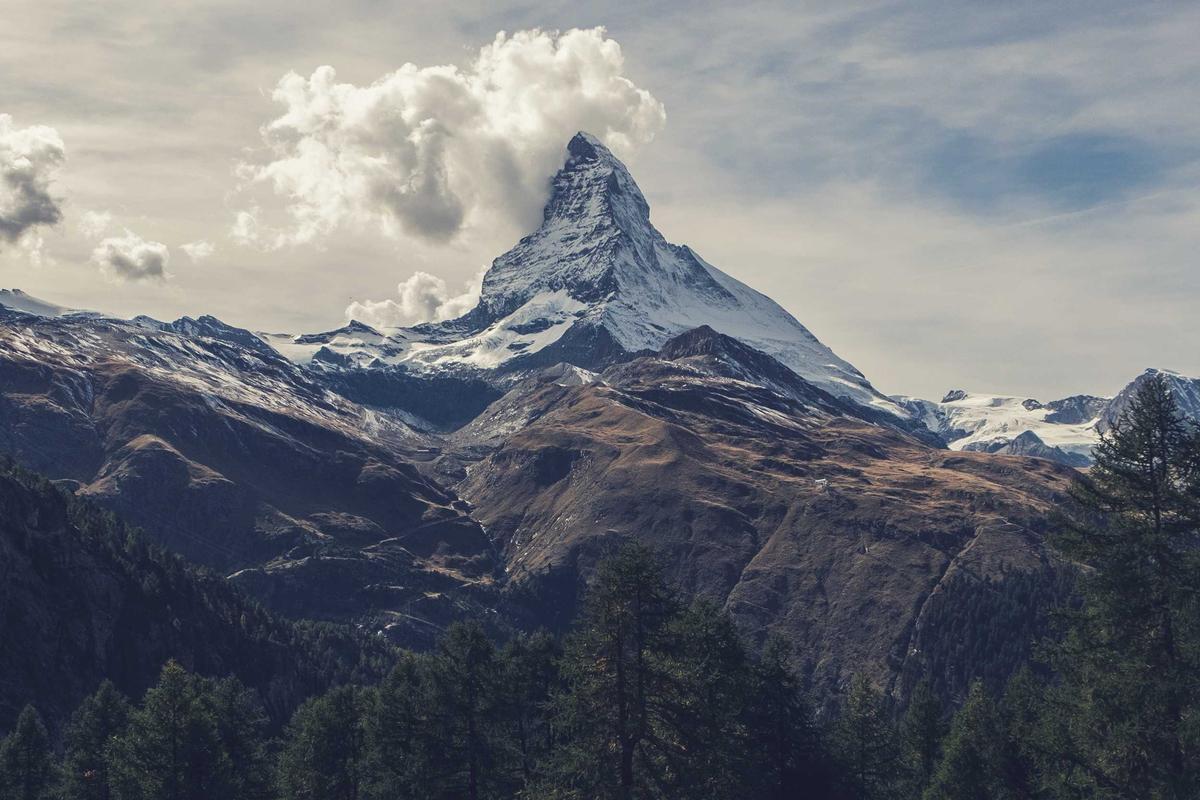
A Nepalese mountain guide has defied death after being stranded for six days on Mount Everest, surviving on nothing but chocolate bars and melted ice. The 32-year-old, identified as Pemba Sherpa, was part of a commercial expedition when a sudden storm separated him from his team at an altitude of approximately 7,000 metres. His ordeal has reignited debates about the ethics of high-altitude tourism and the limits of human endurance in the 'death zone'.
The incident began when a ferocious blizzard struck the mountain, reducing visibility to near zero. Pemba, who had been fixing ropes for his team, became disoriented and lost contact. With no tent, sleeping bag, or communication device, he dug a snow cave for shelter. His only provisions: a few chocolate bars scavenged from his pack. For six days, he rationed the chocolate, melting snow by holding it against his body to stay hydrated.
Rescue efforts were hampered by the relentless storm, but on the seventh day, a break in the weather allowed a helicopter to spot his makeshift shelter. Pemba was airlifted to a hospital in Kathmandu, suffering from severe frostbite on his fingers and toes but conscious and alert. Doctors described his survival as 'nothing short of miraculous', attributing it to his exceptional physical conditioning and mental fortitude.
This story, while inspiring, underscores the darker side of Everest's allure. The mountain saw its deadliest season in 2023, with 18 fatalities, many linked to overcrowding and the commodification of guided ascents. Pemba's experience mirrors a pattern: sherpas often bear the highest risks for meagre rewards. Critics argue that commercial expeditions prioritise profit over safety, turning the world's highest peak into a gilded gauntlet.
But there is also a remarkable tale of human resilience here. Pemba's survival echoes the legendary feats of climbers like Reinhold Messner, who first summitted Everest without supplemental oxygen. Yet Pemba's ordeal is distinctly modern: a low-tech fight against nature where a simple chocolate bar became a lifeline. It raises a question: in an age of AI-driven weather prediction and satellite tracking, why are guides still slipping through the cracks?
Technology is transforming mountaineering. Drones now assist in rescues, and smart fabrics monitor vitals. But the death zone remains a lawless frontier. Pemba's story is a call for digital sovereignty on the mountains: real-time tracking transceivers, mandatory beacons, and AI-based storm prediction systems that could prevent such incidents. Yet implementing these measures requires a shift from tour operators who currently rely on the stoicism of sherpas.
For now, Pemba is recovering, his family relieved. The chocolate bars that sustained him have taken on a mythic quality, a symbol of bare-bones survival in an industry that often starves its workers of basic protections. His ordeal is a victory of the human spirit, but also a red flag: Everest is a business, and until its operators embrace the same technological safeguards we take for granted on the ground, tragedies will keep unfolding.
As Pemba tells it, he never lost hope. 'I knew my family was waiting,' he said from his hospital bed. 'The chocolate gave me energy, but the thought of them kept me alive.' That resilience is timeless. But the systems around him must evolve. The future of mountaineering depends on it.