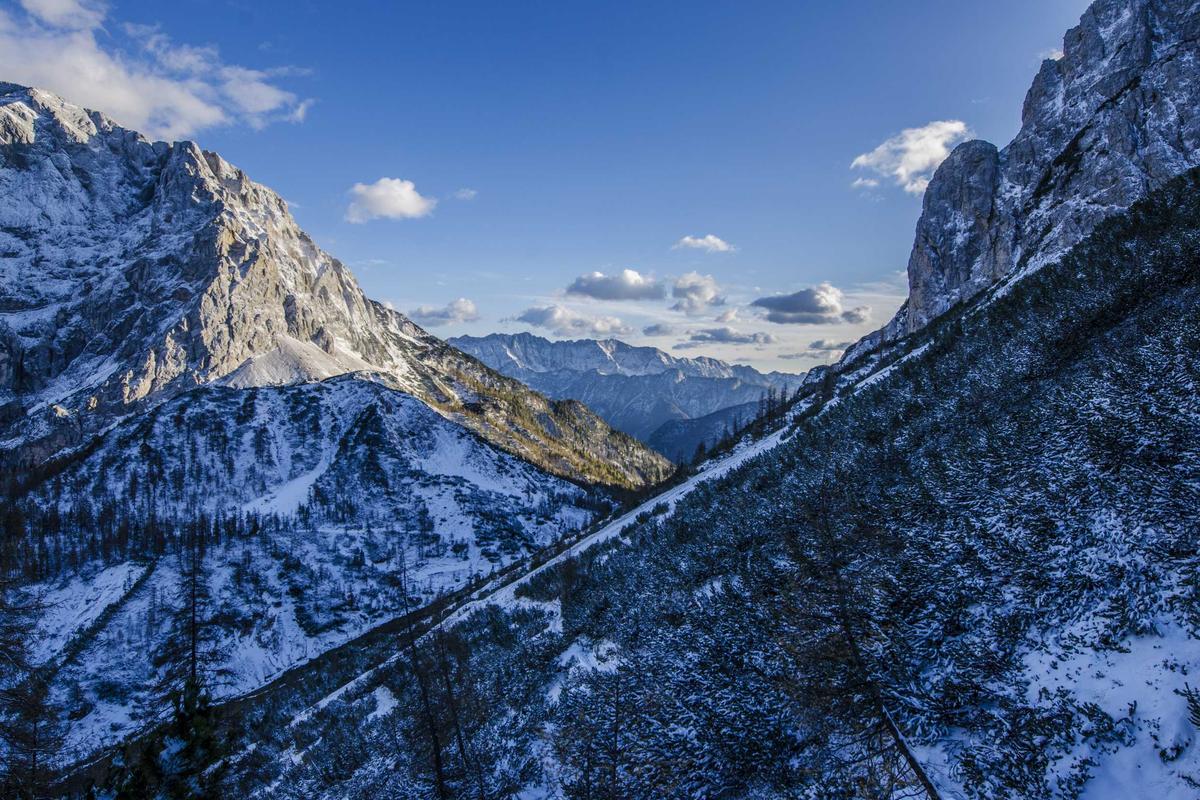
A guide on Mount Everest has survived a harrowing fall of over 300 metres into a crevasse, prompting British tourism officials to scrutinise safety protocols on the world's highest peak. The incident, which occurred during a summit push last week, has reignited debates about the regulation of commercial expeditions and the risks posed by climate-induced changes to the mountain's geography.
The guide, identified as Pemba Sherpa, 34, was descending from the South Col when a section of the Khumbu Icefall collapsed beneath him. He plunged into a deep crevasse, where he remained trapped for nearly 12 hours before being rescued by a team of fellow guides and climbers. Miraculously, he sustained only minor injuries: frostbite on two fingers and a fractured rib. His survival has been described as 'nothing short of a miracle' by rescue coordinators.
However, British tourism officials are less focused on the miracle and more on the systemic failures that allowed such a near-tragedy to occur. In a statement released yesterday, the UK's Foreign, Commonwealth and Development Office (FCDO) expressed 'deep concern' over the incident and called for an immediate review of safety standards on Everest. 'This is not an isolated event,' the statement read. 'The increasing number of accidents on the mountain is a direct consequence of a confluence of factors: overcrowding, inadequate preparation, and the rapidly changing environment due to global warming.'
The Khumbu Icefall, a notoriously unstable glacier, has become even more treacherous in recent years. Rising temperatures have accelerated its melt, creating deeper crevasses and more frequent collapses. This is the same icefall that claimed the lives of three Sherpas in 2014 and has been a graveyard for countless climbers since the first expeditions in the 1920s. Yet, commercial operators continue to funnel hundreds of climbers through this gauntlet each season, driven by the lucrative business of high-altitude tourism.
The Everest guiding industry generates an estimated $100 million annually, with permits costing $11,000 per climber. This economic incentive creates a pressure cooker environment where safety can be compromised in favour of summit success. Guides often operate under extreme conditions, with little regulatory oversight. The Nepalese government requires all climbers to have a guide, but the quality of guiding companies varies widely. Many guides are underpaid and overworked, leading to fatigue and errors in judgment.
Pemba Sherpa's rescue was a testament to the skill and bravery of his fellow guides. They lowered ropes into the crevasse, battling altitude sickness and the risk of further ice collapse, to haul him out. But experts argue that such heroics should not be necessary. 'We are relying on the superhuman efforts of a few individuals to compensate for systemic dangers,' said Dr. Anil Koirala, a mountaineering risk analyst. 'The real solution is to reduce the number of climbers on the mountain and enforce stricter safety protocols.'
The FCDO is now pushing for a mandatory independent safety audit for all guiding companies operating on Everest. They also recommend limiting the number of permits issued per season and requiring climbers to have prior high-altitude experience. Nepal's tourism board has resisted such measures in the past, fearing a loss of revenue, but the mounting death toll may force their hand. In 2023, 18 climbers died on Everest, the deadliest season in a decade.
Climate change is not only making the icefall more dangerous; it is also altering the mountain's weather patterns, creating longer periods of high winds and increasing the risk of avalanches. The window for safe summiting is shrinking, pushing more climbers into the same narrow timeframe, leading to overcrowding and waits at critical points like the Hillary Step.
Pemba Sherpa's story is one of survival against the odds. But if his ordeal serves as a catalyst for change, it may ultimately save more lives than any single rescue. The question remains: will the economic interests of the tourism industry outweigh the imperative to protect the lives of those who make their living on the world's highest and most dangerous mountain? The British tourism officials are betting that public pressure, galvanised by incidents like this, will tip the scales toward safety. For now, the mountain continues to take its toll, and the guides continue to walk its treacherous paths, hoping that the next miracle is not the only thing standing between them and disaster.