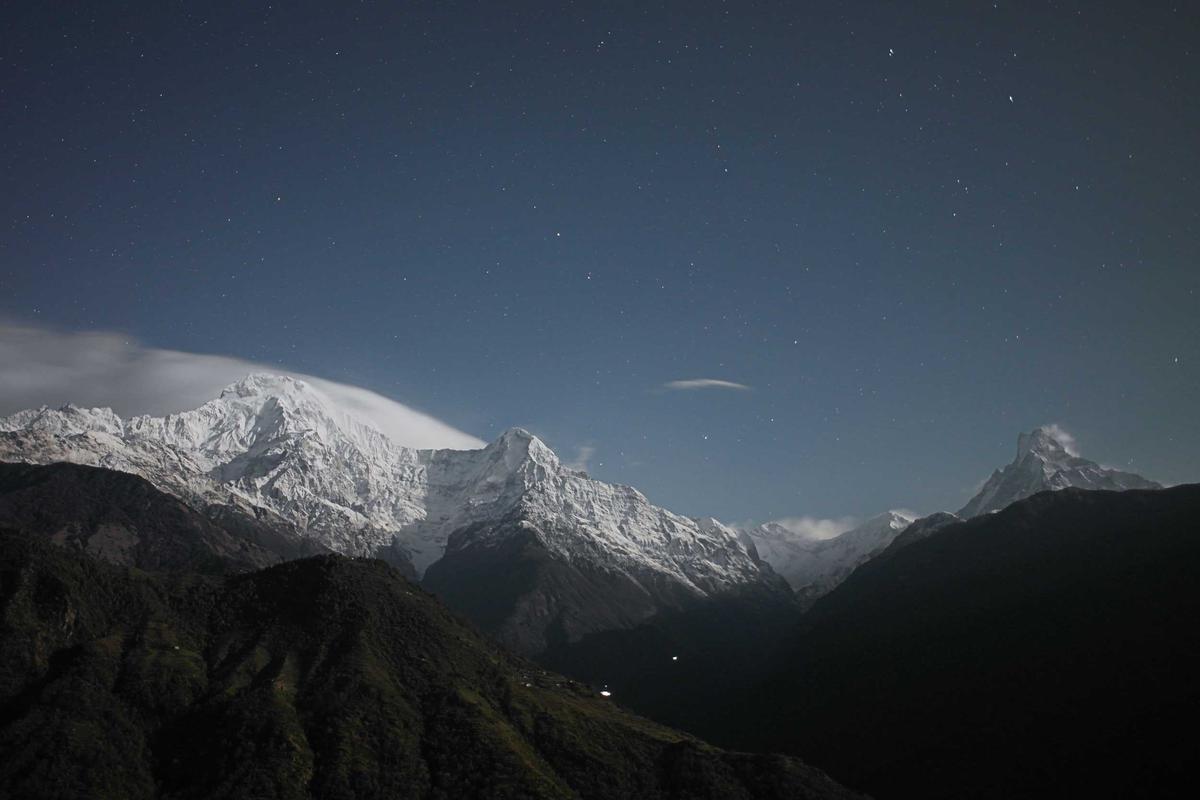
The survival of a British mountain guide after a near-fatal accident on Mount Everest has triggered an official review of safety standards within the UK tourism industry. The guide, identified as James Thornton, 34, of Cumbria, was rescued from the mountain’s South Col last Tuesday after falling into a crevasse at an altitude of approximately 26,000 feet. He was discovered by a Sherpa team and evacuated by helicopter to a hospital in Kathmandu, where he remains in stable condition with severe frostbite and multiple fractures.
The incident has prompted the UK’s Health and Safety Executive to launch an inquiry into the regulatory framework governing adventure tourism operators that British firms run abroad. Industry sources indicate that the review will examine current risk assessment protocols, emergency response systems, and the training requirements for guides leading expeditions on peaks above 8,000 metres. The move follows a series of high-profile accidents on Everest, including the 2019 season that claimed 11 lives and raised concerns over overcrowding and commercial pressures on the mountain.
Speaking from London, a spokesperson for the Foreign Office confirmed that consular staff have been assisting Thornton’s family but declined to comment on the specifics of the rescue operation. The Foreign Office previously updated its travel advice for Nepal last September, warning climbers of the dangers posed by altitude sickness and unpredictable weather conditions on the world’s highest peak.
The review is expected to report its findings within six months. Initial recommendations are likely to include tighter licensing requirements for UK-based companies advertising Everest expeditions and mandatory safety briefings for all clients before departure. The Adventure Tourism Association, which represents more than 200 operators in the UK, has welcomed the review. Its chairman, Richard Blake, said the industry takes safety “extremely seriously” and added that many member companies already exceed the legal minimum standards for high-altitude mountaineering.
Critics, however, argue that the review may not go far enough. Dr. Sarah Manning, a lecturer in mountain safety at the University of Stirling, said that the commercialisation of Everest has created a “race to the bottom” in terms of safety, with some firms prioritising profit over client well-being. She pointed to the 2019 season as evidence of systemic problems, including insufficient qualified guides and a lack of adequate rescue insurance for many climbers.
Thornton’s family issued a brief statement thanking the rescue teams and asking for privacy while he recovers. The guide had been attempting to summit Everest via the standard South Col route when he lost his footing on an icy traverse. His survival is being described as “miraculous” by some fellow mountaineers, though officials caution that such incidents highlight the inherent risks of extreme altitude climbing.
The review marks the first comprehensive examination of tourism safety standards since the 2014 avalanches on Everest that killed 16 Sherpas. That event led to a temporary shutdown of the Nepalese climbing season and spurred calls for better safety regulations, though international oversight remained fragmented.
UK tour operators are now facing increased scrutiny as the government seeks to rebalance the relationship between adventure tourism and consumer protection. The outcome of the review will likely have implications not only for Everest expeditions but also for other high-risk activities such as deep-sea diving, polar trekking, and extreme skiing offered by British companies worldwide.