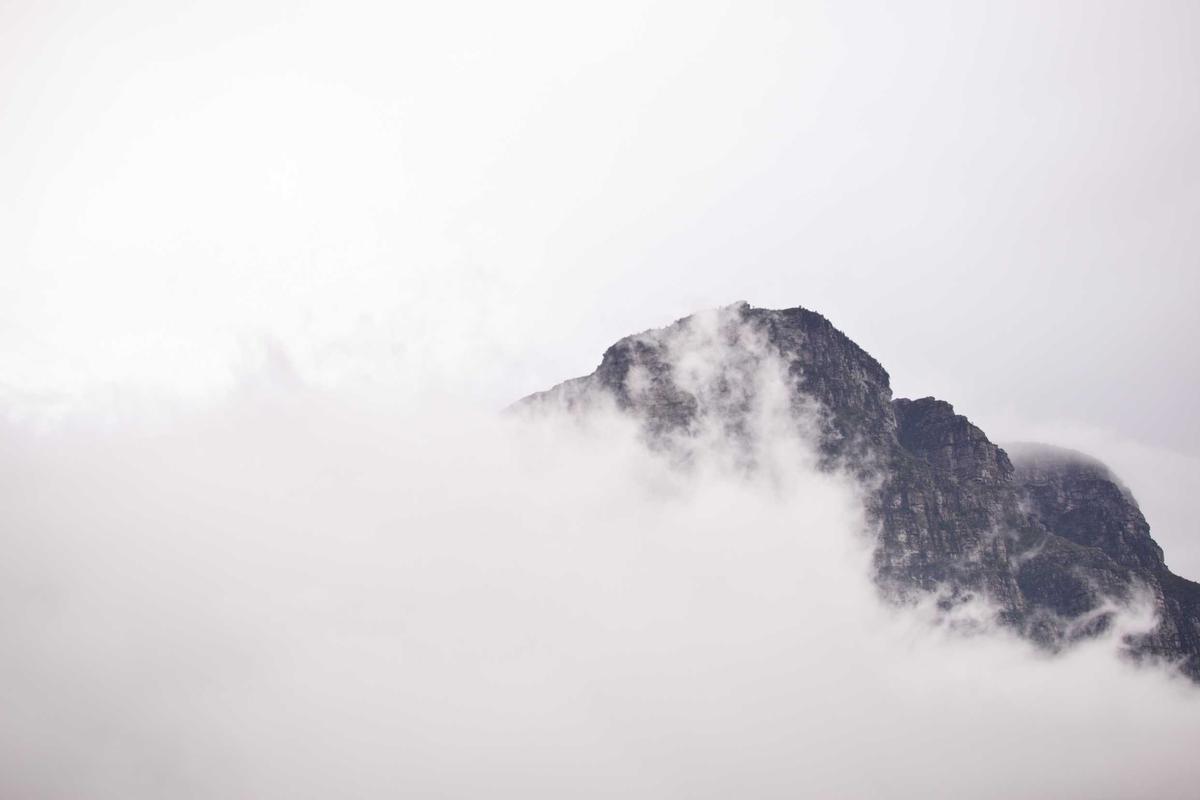
A tale of survival on the world’s highest peak has exposed the dangerous economics of mountain guiding. A British expedition leader’s miraculous rescue after being left for dead has triggered an avalanche of calls for regulatory reform. The market for high-altitude adventure, long buoyed by stories of heroism and tragedy, now faces a reckoning with its own bottom line.
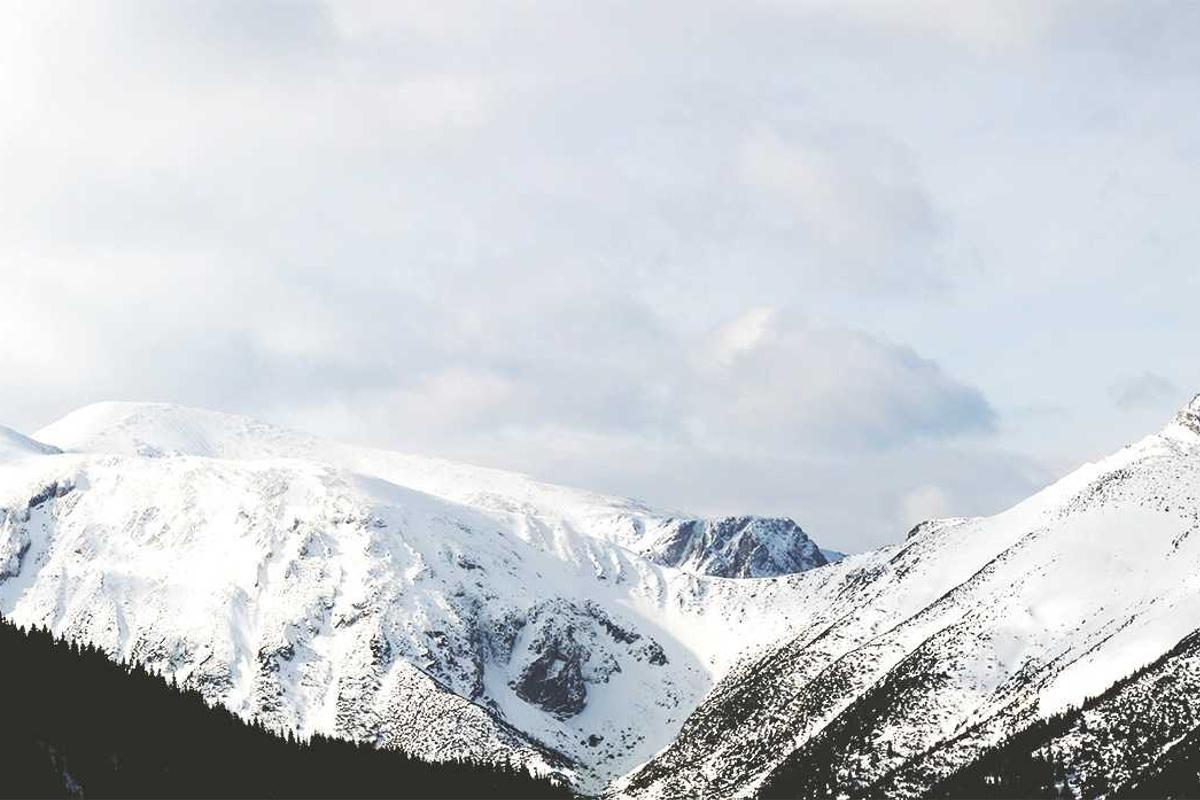
The incident, which occurred at an altitude of 8,000 metres, saw the guide survive a night in the ‘death zone’ after being separated from his party. The subsequent rescue, costing tens of thousands of pounds and involving multiple helicopters, has drawn sharp focus on the industry’s lack of formal oversight. ‘This is a classic market failure,’ said one City analyst tracking the adventure tourism sector. ‘When the true cost of risk is externalised, you get corners cut and lives gambled.’
British climbers, who represent a significant slice of the Everest clientele, are now lobbying for mandatory certification and emergency protocols. Their demands echo a broader shift in investor sentiment towards ‘ESG’ standards, though here the ‘G’ stands for guiding, not governance. The current regulatory vacuum means any operator with a tent and a website can market themselves as an expert. This information asymmetry, a favourite concept in financial economics, has allowed substandard operators to thrive.
The timing is critical. The adventure tourism market has ballooned since the pandemic, with luxury expeditions now fetching upwards of £100,000 per client. This bull run has attracted a flood of new entrants, some with questionable credentials. ‘We’re seeing a classic bubble,’ warns a fund manager specialising in niche travel. ‘When money is cheap and demand is high, quality standards get diluted. The survivors of this crash will be those who can prove their value proposition.’
The proposed reforms include mandatory guide-to-client ratios, insurance requirements, and standardised crisis management plans. Critics argue this will increase costs and reduce access to the mountain. But as one veteran guide put it: ‘The market for death zone tourism is inherently inefficient. If you’re pricing safety as an optional extra, you’ve already failed the stress test.’
The British government, under pressure from climbing groups, has signalled it will review the sector. However, with the Treasury eyeing the tax revenues from expedition spending, any heavy-handed regulation remains a high-altitude tightrope. ‘There’s a moral hazard here,’ notes a political economist. ‘If the state underwrites rescues, operators have an incentive to take more risks. It’s like a bank with a government guarantee.’
For now, the industry faces a rally of scrutiny. The price of safety, long discounted in the rush to the summit, is finally coming due. As any City veteran will tell you, the cost of a crisis is always higher than the cost of prevention. The question is whether the market will self-correct or require a regulatory hands-on. One thing is certain: the invisible hand of the market has left a very visible mark on this story.