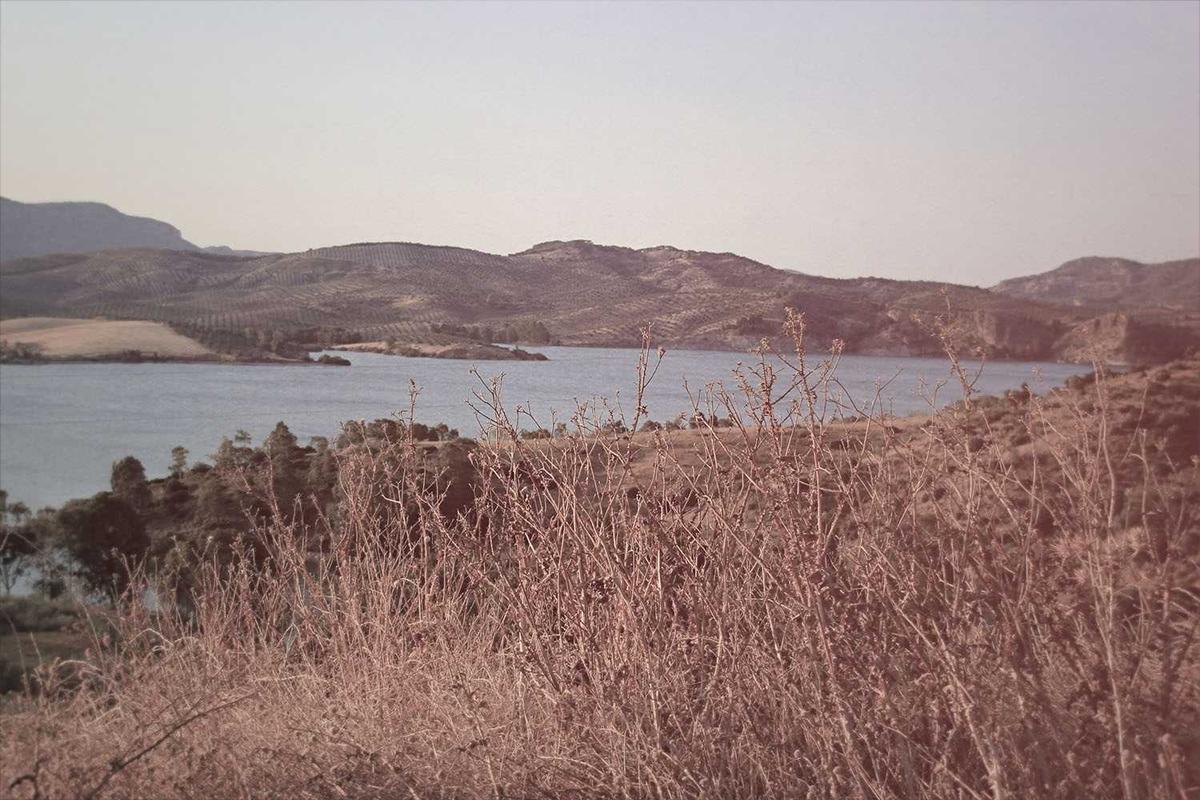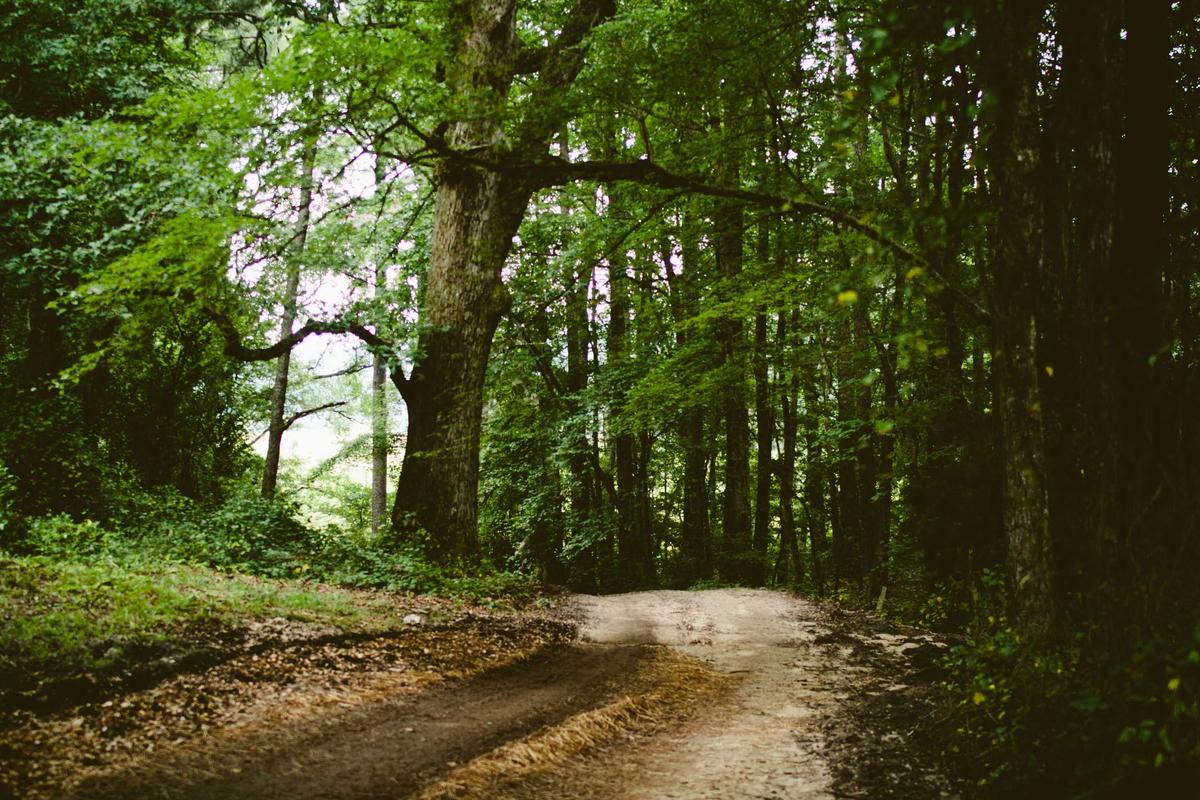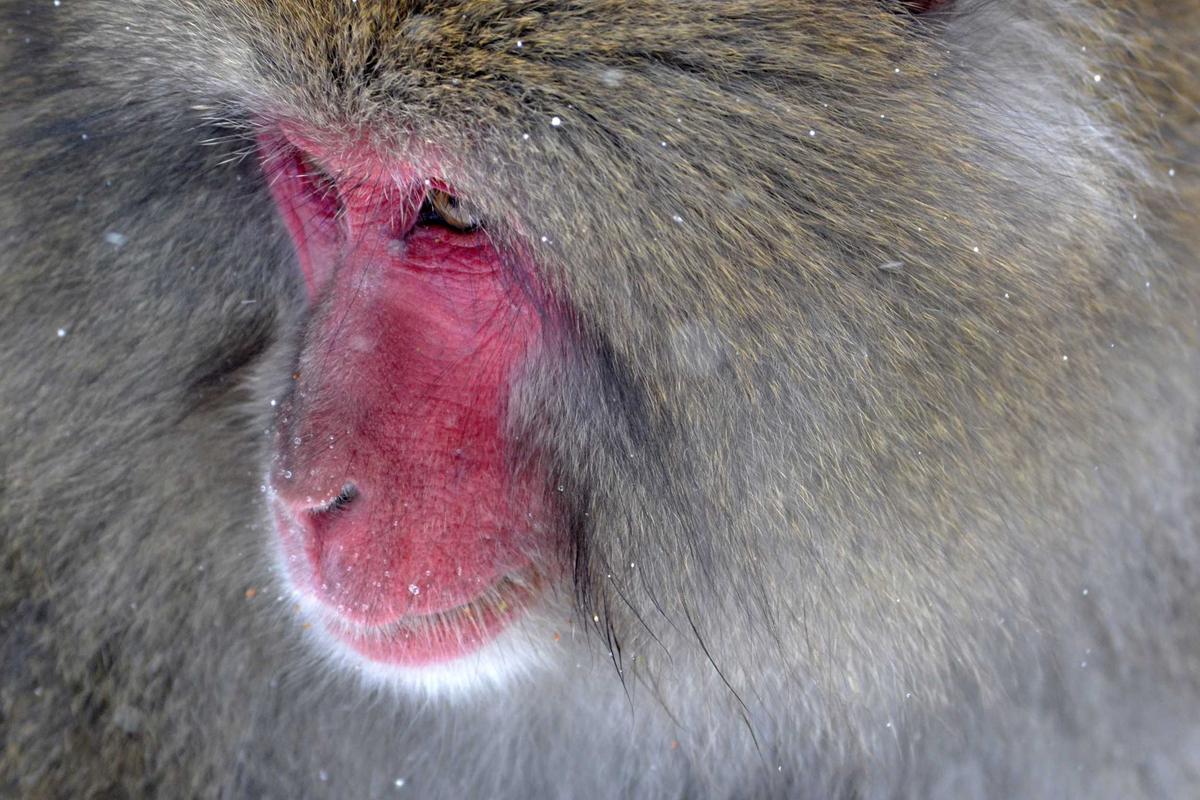
A bear described as “extremely intelligent” is on the loose in northern Japan after injuring four people, including a woman in her 80s, in a series of attacks that have prompted the deployment of a British wildlife management expert. The animal, believed to be a brown bear, has evaded capture for days in the forests of Hokkaido, baffling local authorities with its ability to avoid traps and change its patterns of movement.
The UK expert, Dr Jonathan Barker from the University of the Highlands and Islands, arrived in Sapporo last night at the request of the Japanese government. Barker, known for his work with problem bears in Scotland, said the animal’s behaviour is “highly unusual”. He told reporters: “This bear is not just running on instinct. It is learning from our tactics. We set a trap, it stays away. We track it, it doubles back. This is a very clever creature. But clever does not mean dangerous. It is scared and it is trying to survive.”
The attacks began last Tuesday when a hiker was mauled on a trail near the town of Furano. Two days later, a farmer was attacked in his field, and then two more people were injured on Saturday, including the elderly woman who suffered deep gashes to her arm. All are in hospital but expected to recover. Local police have issued warnings for residents to stay indoors, and schools in the area have closed their outdoor facilities.
The bear is thought to be a young male, around three years old, weighing an estimated 180 kilogrammes. Authorities have tried tranquiliser darts, baited cages, and even a drone to track it, but the animal has consistently outsmarted them. “It is as if it knows the terrain better than we do,” admitted Hokkaido police chief Kenji Tanaka in a press conference. “This is a formidable adversary.”
Dr Barker’s deployment is the first instance of a British expert being called to Japan for such a case. He plans to use a combination of non-lethal deterrents and behavioural conditioning to guide the bear away from populated areas. “We do not want to kill it,” he said. “That is the last option. But we need to move quickly before it loses its fear of humans completely.”
The story has captured the public imagination, with many locals expressing sympathy for the bear. “It is not its fault the forest is shrinking,” said Furano resident Yuki Sato, 54. “We are building houses where it lives. It is just trying to get by.” Others, however, are fearful. “My children cannot play outside,” said mother-of-two Mayumi Ishikawa. “I want this bear gone, one way or another.”
The incident highlights a growing problem across Japan: the blurring of boundaries between urban and wild spaces. As rural populations decline and forests reclaim farmland, bears are increasingly wandering into towns. Last year saw a record 163 bear attacks nationwide, up from 87 a decade ago. The government has allocated funds for wildlife management training, but experts say more needs to be done.
For now, the people of Hokkaido wait. Dr Barker is expected to begin his field operation tomorrow, armed with knowledge and a healthy respect for his quarry. “I have seen clever bears before,” he said. “But this one is something else. We have to win its trust before we can win its cooperation.” Under the shadow of the mountains, the hunt continues.