A bear described by officials as ‘extremely intelligent’ is evading capture in Hokkaido, Japan, after attacking four people and triggering an international wildlife alert. The bear, believed to be a male brown bear (Ursus arctos yesoensis), has been on the move since Sunday, when it first appeared in the town of Shizunai. It has since injured four individuals, including an elderly farmer and a fisherman, before disappearing into the dense forests of the Hidaka Mountains.
Local authorities have issued a citywide warning, urging residents to stay indoors and avoid the outskirts of town. The alert has been amplified through Japan’s emergency broadcast system, reaching international news agencies due to the bear’s unusual behaviour. “This is not typical bear behaviour,” said Dr. Kenji Tanaka, a wildlife biologist with the Hokkaido Bear Conservation Trust. “It has shown a level of problem-solving and adaptability that is rare and concerning. It has avoided traps, moved in a circuitous route, and even used a river to throw off scent dogs.”
The bear’s intelligence has become a central talking point. According to police reports, the animal has evaded three different capture teams, dismantled a bait trap, and navigated through residential areas at night without being spotted. “It is almost as if it understands our strategies,” said a local police spokesperson. “We are dealing with a very clever animal.”
This incident comes amid a record-breaking bear season in Japan. Crop failures and a dearth of acorns in the wild have pushed bears into urban areas in search of food. In Hokkaido alone, there have been 20 reported bear attacks in the past month, the highest in over a decade. Climate change is exacerbating the food shortages. Warmer autumns have delayed the ripening of key food sources such as oak nuts, forcing bears to venture closer to human settlements. “Shifts in climate are altering the natural rhythms of these forests,” said Dr. Helena Vance, Science and Climate Correspondent. “The bears are not to blame. They are responding to an environment that is changing faster than their biology can adapt. But the conflict is real and escalating.”
Emergency services have now set up thermal cameras and drone patrols, with a team of snipers on standby. However, officials have stated that tranquillising the bear is the priority. “We want a live capture if possible,” said a park ranger. “But we cannot risk further injuries. If cornered, we will have no choice.”
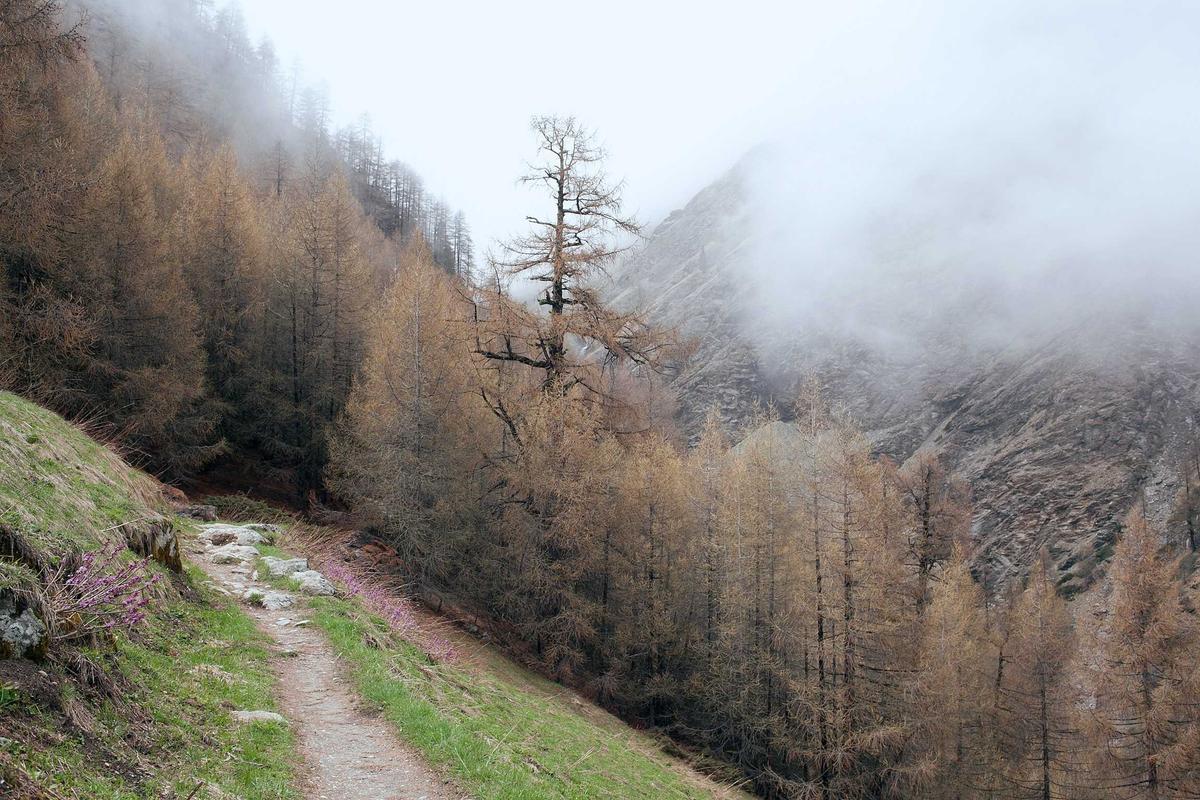
The bear’s location remains unknown. The Hidaka Mountain range offers vast cover, with remote valleys and thick bamboo groves. Authorities have deployed over 100 hunters and police officers, but the bear has slipped through their cordon twice. “It is a game of chess,” said Dr. Tanaka. “And right now, the bear is winning.”
Internationally, the case has sparked interest not only because of the attacks but because of what it represents. As humans continue to encroach on wildlife habitats, and as climate shifts upend ecosystems, the line between urban and wild is blurring. Japan’s ‘intelligent bear’ is a symptom of a larger biosphere collapse, a direct consequence of us demanding more from a planet with less to give. The bear is not a rogue animal. It is a survivor in a world we have broken. The question is, can we outsmart it before it becomes a casualty of our own making?