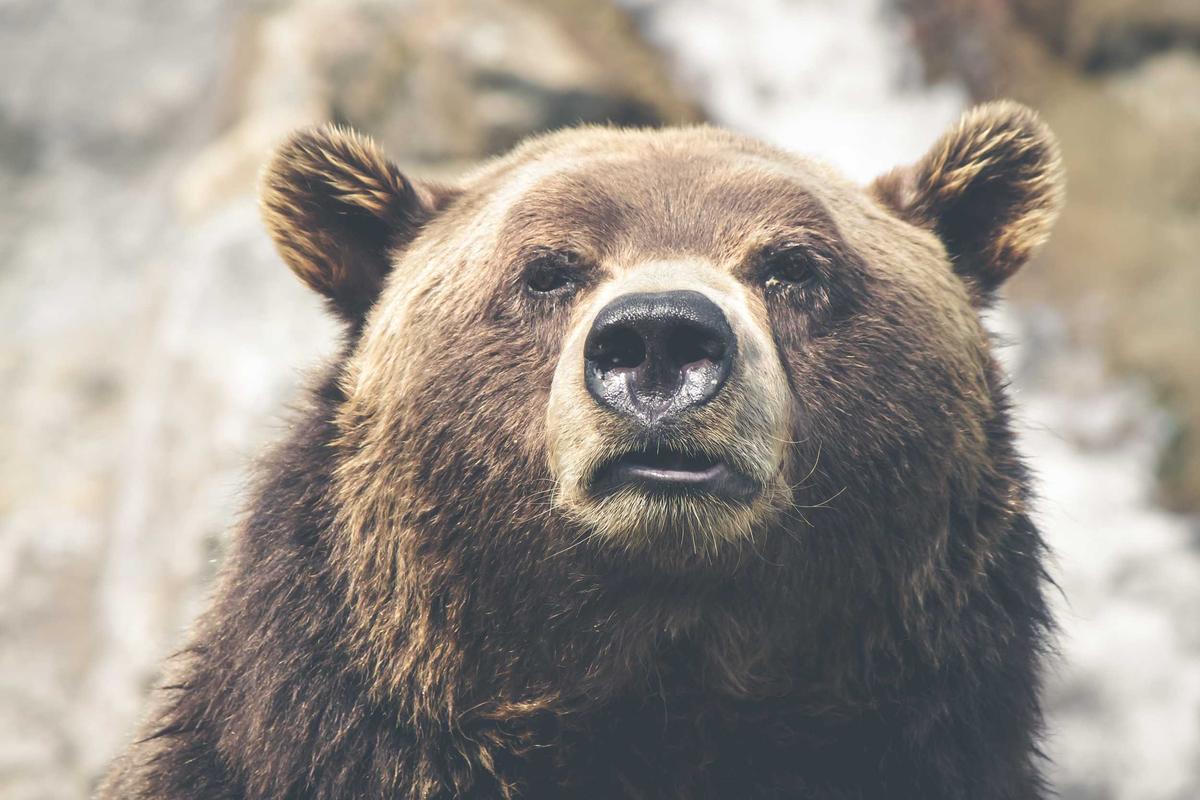
In a chilling turn of events that reads like a dystopian thriller, a bear described as “extremely intelligent” has been terrorising the Japanese prefecture of Akita, leaving four people injured in a series of attacks. The beast, which authorities believe is the same animal, has evaded capture for days, displaying behaviours that wildlife experts say are eerily advanced for a brown bear.
The rampage began in the city of Kazuno, where the bear first attacked a 78-year-old woman in her garden, then a man in his 60s, and later two other residents. Eyewitnesses report the animal didn’t just charge blindly; it seemed to assess its surroundings, circle back, and target isolated individuals. ‘It’s almost as if it’s been studying human patterns,’ said Dr. Yuki Tanaka, a wildlife behaviourist at Hokkaido University. ‘This bear isn’t just acting on instinct. It’s adapting.’
For those of us in the tech world, this story hits a nerve. We spend our days building algorithms to mimic intelligence: neural networks that learn and respond. But here is nature, or perhaps something more unsettling, doing the same. The term “extremely intelligent” from Japanese media isn’t hyperbole; it reflects a creature that appears to strategise. It has avoided traps, changed its foraging times, and even used buildings as cover. Local officials have closed schools and warned residents to stay indoors, but the bear continues to outfox them.
This incident forces us to reconsider our own relationship with intelligence. As we race toward artificial general intelligence, we assume sentience will be digital. But what if we already share our world with non-human intelligences that we’ve underestimated? The bear’s actions feel like a test: how would we handle a rival mind? The answer, so far, is weak. We rely on hunters and drones, but the bear keeps slipping through.
There is a deeper anxiety here. In my years analysing tech trends, I’ve seen how quickly novelty becomes normality. The bear will be caught eventually, shot or relocated. But the memory of its ‘intelligence’ will linger. It echoes the ‘Black Mirror’ episodes where the line between animal and machine blurs. Are we so sure that the next ‘clever’ creature won’t be a robot we built? Or that the bear isn’t a symptom of something else: climate change pushing animals closer to humans, or even a mutant strain of behaviour triggered by environmental toxins?
For now, the people of Akita are living in a real-world horror story. The bear has become a symbol of nature’s refusal to be tamed. It reminds me of the early days of the internet, when we thought we had it all figured out, then a new virus or hack would appear. Technology evolves, but so does the wild. Our greatest innovations often teach us humility.
The Japanese authorities are deploying AI-powered camera traps to track the bear, a poetic twist: using machine intelligence to catch a biological one. But perhaps the real lesson is that intelligence, no matter its source, commands respect. And when it turns on us, it reveals the fragile illusion of our control.
As I write this, the bear is still at large. I suspect it will be a while before anyone in Akita feels safe. And I wonder: will the next ‘breakthrough’ in AI make us feel any safer, or will it simply be a new kind of bear, watching from the shadows?