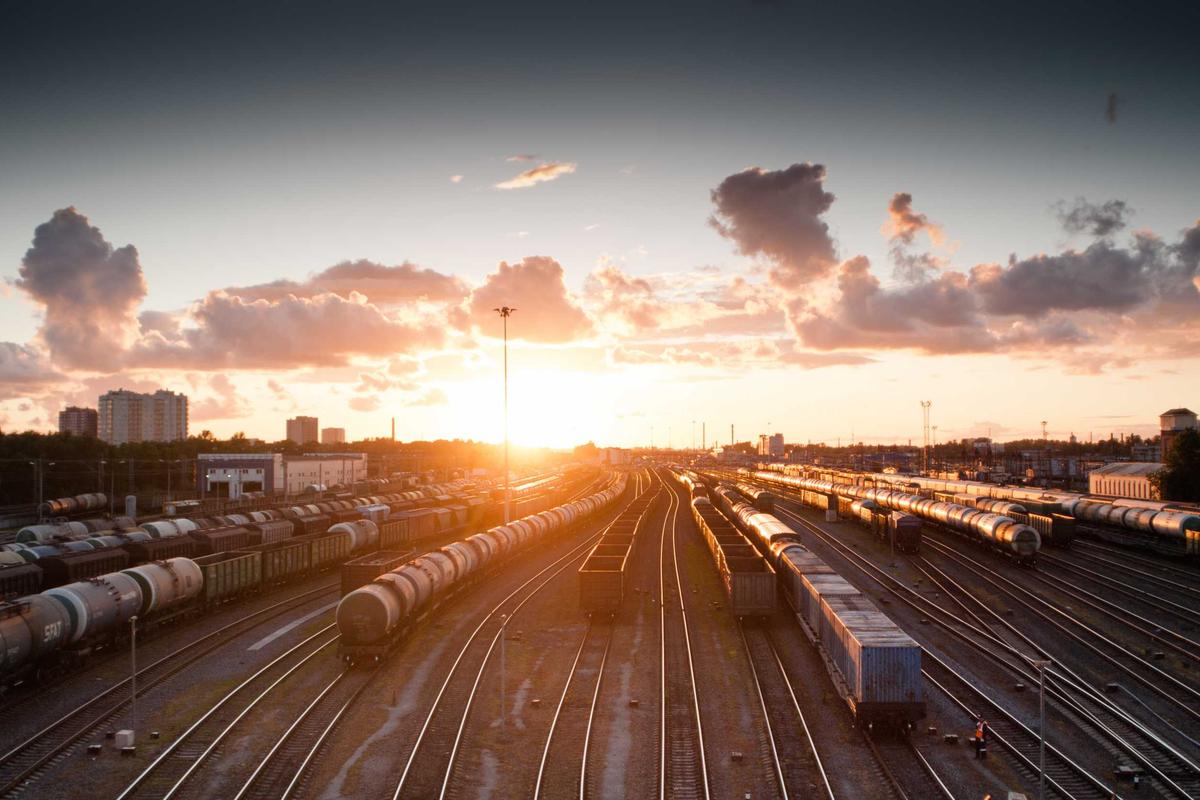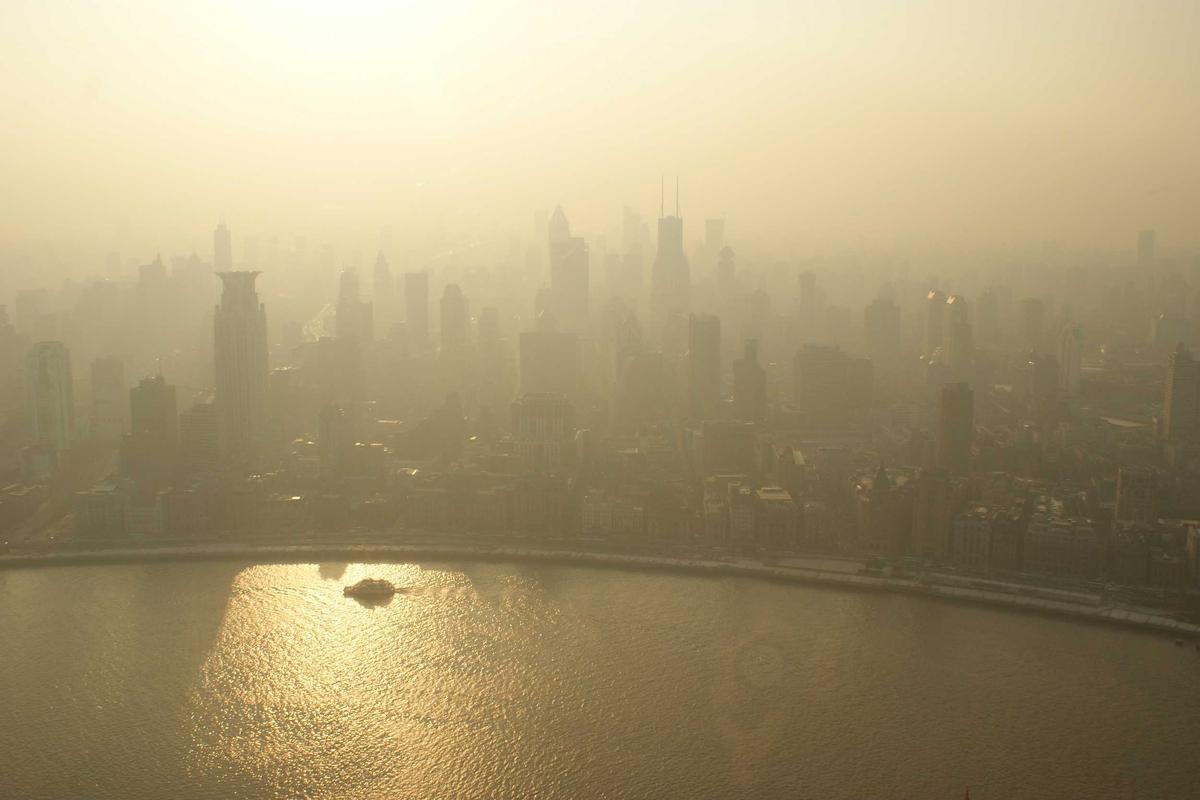
Satellite imagery from NASA's Terra and Aqua satellites reveals the catastrophic scale of the ongoing Southern California wildfires, which have claimed at least 13 lives and forced the evacuation of over 150,000 residents. The visible scars from orbit show entire neighbourhoods reduced to ash, plumes of smoke reaching across the Pacific, and a stark reminder that the climate crisis is no longer a future projection but a present catastrophe.
As a climate correspondent with a background in astrophysics, I have spent years analysing data from space to understand Earth's changing systems. The current imagery is among the most sobering I have seen. The fires, exacerbated by a decade-long drought and record-breaking heatwaves, have consumed more than 200,000 acres in the Los Angeles and San Diego areas. The fire season in California now lasts year-round, a reality that mirrors projections made by climate models a decade ago.
In response to this unfolding disaster, the UK government has announced an emergency £300 million climate resilience fund aimed at helping vulnerable regions adapt to extreme weather events. The fund, to be administered through the Foreign, Commonwealth & Development Office, will prioritise early warning systems, fire-resistant infrastructure, and reforestation projects. This move, while welcome, raises the question: why did it take a catastrophe on the scale of the California fires to catalyse action?
The science is clear. The world has warmed by 1.2°C since the Industrial Revolution, and every fraction of a degree increases the probability of extreme events. In California, the combination of high temperatures, low humidity, and strong Santa Ana winds creates a perfect storm for fire spread. Satellite data from the Global Fire Emissions Database show that the intensity of wildfires in the western United States has quadrupled since the 1980s. This is not a cyclical anomaly; it is a linear trend driven by anthropogenic emissions.
The UK's resilience fund, while modest relative to the scale of the problem, is a strategic intervention. It focuses on data-driven solutions: satellite monitoring for early detection, weather forecasting models trained on historical data, and community-based evacuation drills. These measures can reduce mortality rates by up to 30% according to studies from the Intergovernmental Panel on Climate Change. However, they treat the symptoms, not the cause. Without rapid decarbonisation, such funds will become a permanent expense, not a stopgap.
The fires also highlight an uncomfortable truth: no nation, however wealthy, is immune. The United Kingdom itself has faced record-breaking heatwaves and flooding in recent years. The 40°C temperature recorded in July 2022 was a stark warning. The UK's own infrastructure is fragile; its housing stock is among the least resilient to heat in Europe. The resilience fund must not be seen as charity but as a self-interested investment in global stability. A climate-disrupted world will inevitably produce food shortages, mass migration, and geopolitical instability that will reach British shores.
Yet, there is a narrow path forward. Technological solutions exist: solar geoengineering, though controversial, could buy time. Carbon capture and storage is advancing, albeit slowly. The UK's fund includes a £50 million research component for such technologies. But the fundamental challenge remains our reliance on fossil fuels. Every tonne of CO2 emitted today locks in future fires, floods, and famines.
As I look at the infrared satellite images of the California fires, I am struck by the disconnect between the data and the political response. The science has been clear for decades. The technology exists. What is missing is the political will to treat the climate crisis as the existential threat it is. The UK's resilience fund is a step, but it must be followed by aggressive emission reductions and global cooperation. The alternative is a world where watching disasters from space becomes a routine occurrence, not a breaking news headline.