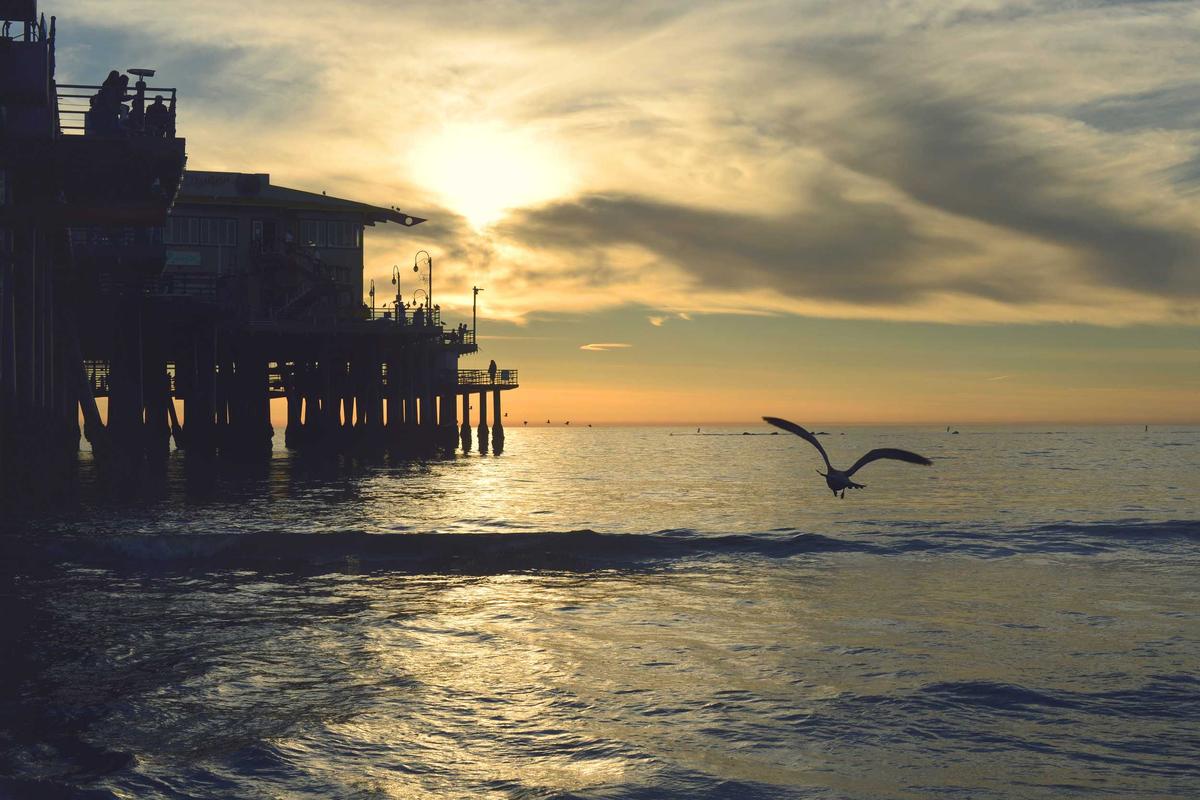
A man has died in a shark attack off the coast of Western Australia, in a tragic reminder of the risks posed by oceanic apex predators. The incident occurred at a popular beach near the town of Esperance, approximately 700 kilometres southeast of Perth. Emergency services were called to the scene shortly before noon, but the victim, a local resident in his 30s, succumbed to injuries sustained in the encounter.
Western Australia's coastline is a known habitat for several shark species, including great white and bull sharks, which are drawn to the region's abundant seal populations. The state's Department of Primary Industries and Regional Development has deployed drum lines and monitoring equipment to track shark movements, though such measures remain controversial among conservationists who argue they harm non-target species.
This event follows a spate of similar incidents along the Australian coast, where shark bites have increased in recent years. Scientists at the University of Western Australia attribute this trend to several factors: warming ocean temperatures driving prey migration, improved reporting and beach surveillance, and growing human use of marine environments.
"Shark encounters are statistically rare but can be fatal when they occur," said Dr. Vanessa Pirotta, a marine biologist at Macquarie University. "The key is balancing public safety with conservation. We're seeing more white sharks due to protected populations, and as water temperatures rise, their range expands. That puts them closer to swimmers."
The Australian Shark Attack File, which tracks incidents since 1791, reports that globally, fatal shark attacks number in the single digits annually. Australia accounts for about 20 percent of these, with an average of one to two deaths per year. However, the psychological impact and media coverage often far exceed the statistical risk.
Western Australian authorities have temporarily closed the affected beach and are conducting patrols. They urge the public to adhere to safety guidelines: swim at patrolled beaches, avoid dawn and dusk periods, and stay away from seal colonies. The incident serves as a stark reminder of the complex dynamics between humans and our changing oceans.
As climate change reshapes marine ecosystems, we can expect more such interactions. A study published in Nature Climate Change predicts that by 2100, shark habitat may shift towards the poles, increasing encounters in temperate regions like Western Australia. This is not a new normal but a conundrum of coexistence.
The victim's family has been informed, and counselling is being offered to witnesses. Our thoughts are with them. As a journalist covering environmental change, I report these events not to sensationalise but to underscore the real-world consequences of a warming planet. The ocean is not a passive backdrop; it is a living system adjusting to our collective impact.