A routine haul on a US highway turned into a pyrotechnic nightmare when a truck carrying fireworks caught fire, erupting in a cascading symphony of colour and sound. The incident, which occurred in the heartland of American trucking route 66, has sent ripples across the Atlantic, prompting urgent safety reviews in the UK for similar volatile cargo movements. While the driver escaped unharmed, the event highlights the fragile intersection of logistics, public safety, and the unblinking eye of social media that turned a local mishap into a global spectacle.
In the age of viral content, this was not just a fire; it was a user experience nightmare for emergency services flooded with 999 calls from motorists who mistook the display for an early New Year's celebration. The real concern lies not in the whimsy of exploding rockets but in the systemic oversight of transporting hazardous materials through densely populated corridors. As we digitise our supply chains and automate freight, the margin for error shrinks.
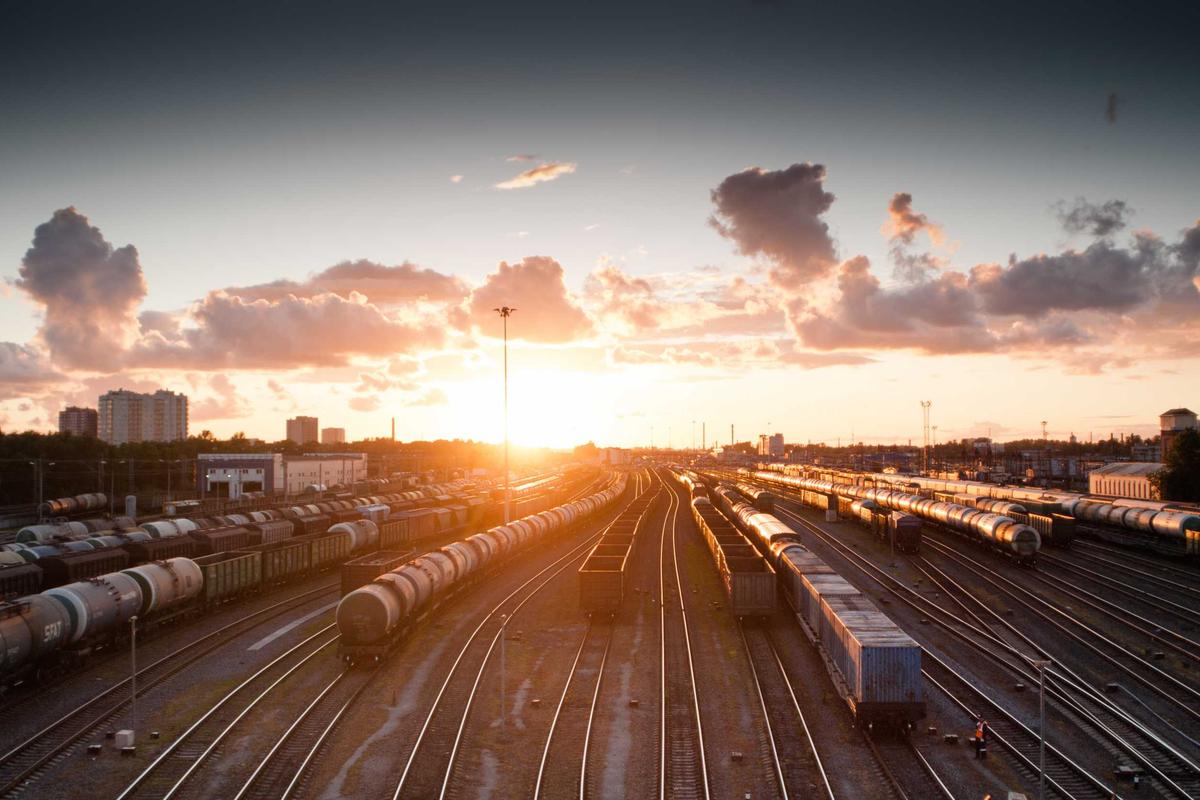
The UK's Health and Safety Executive is now consulting with transport operators to enforce stricter GPS tracking and thermal imaging protocols for vehicles carrying flammable goods. This incident serves as a stark reminder that while we race towards quantum logistics and AI-driven route optimisation, the fundamental physics of combustion remains a stubborn offline reality. Digital sovereignty may protect our data, but it cannot shield us from the raw power of a chemical reaction gone awry.
The spectacle was magnificent, terrifying, and a crystal-clear warning that in a hyperconnected world, even a truck fire can become a signal processing problem we must solve before the next one lights up the sky.