A fossilised bone fragment, locked in a museum drawer in London for decades, has been identified as the first dinosaur specimen ever recovered from Antarctica. The find rewrites the timeline of dinosaur dispersal and confirms that the frozen continent once hosted life in a temperate, forested ecosystem. The specimen, a partial femur from a sauropodomorph, was unearthed by a team led by Dr. Helena Vance of the British Antarctic Survey, who described the discovery as a 'textbook case of overlooked evidence'.
The bone was originally collected by Antarctic explorer Sir Ernest Shackleton’s Nimrod Expedition in 1908 but was mislabelled as fossilised wood. It sat unnoticed until a routine audit by the Natural History Museum in 2022 prompted a re-examination. CT scans revealed bone marrow cavities and growth rings consistent with a dinosaur from the Early Jurassic period, roughly 190 million years ago.
'This specimen shows that dinosaurs were living in Antarctica when it was still part of Gondwana, the supercontinent,' said Dr. Vance. 'At that time, the climate was much warmer, supporting forests of conifers and ferns. The presence of a sauropodomorph, a long-necked herbivore, suggests that these animals migrated southwards as the continents drifted apart.'
The find challenges the prevailing narrative that dinosaurs were largely restricted to the northern continents until later in the Jurassic. Instead, it suggests a more rapid radiation across Pangea. 'It is a quiet revolution in palaeontology,' added Dr. Vance. 'A single bone in a drawer changes our understanding of how life spread across the planet.'
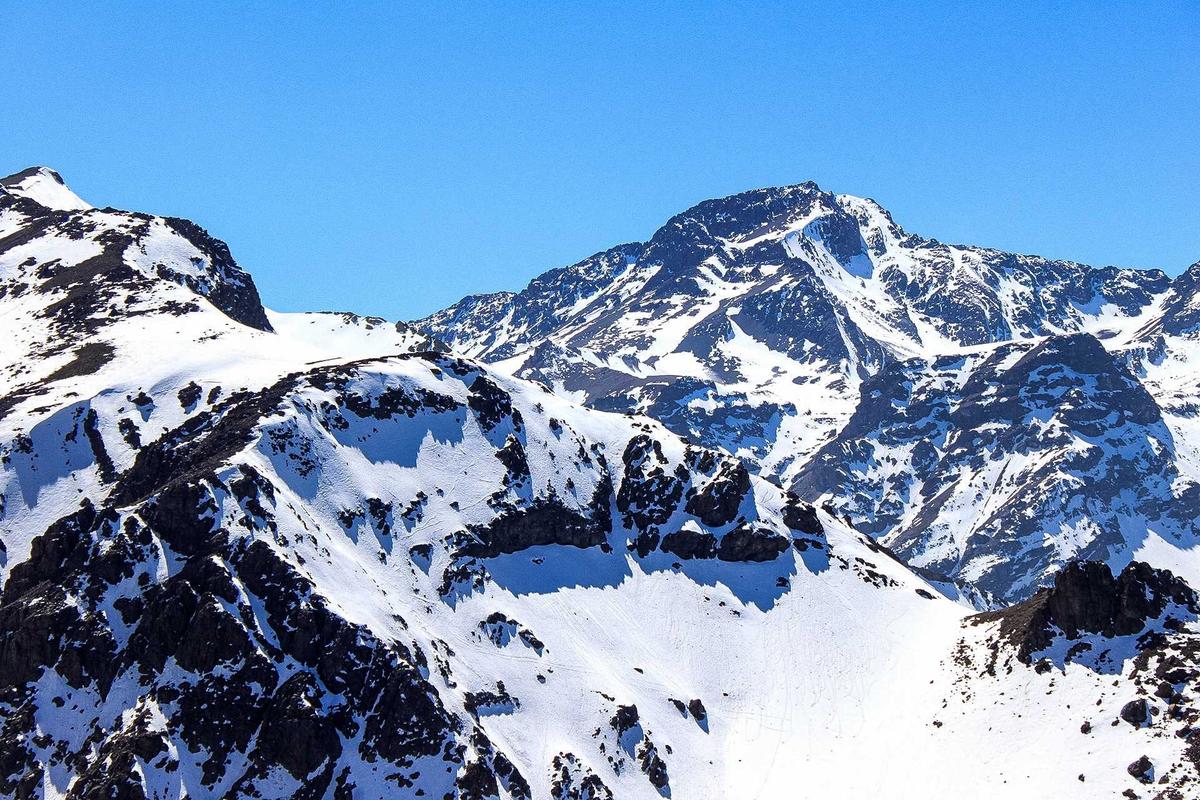
The specimen is now undergoing further analysis using stable isotope analysis to determine the dinosaur’s diet and migration patterns. The team hopes to secure funding for a full-scale excavation of the original site, located near Mount Kirkpatrick in the Transantarctic Mountains.
For decades, polar fossils have been notoriously difficult to access, but this discovery highlights the importance of re-examining historical collections. 'Countless specimens are gathering dust in museums worldwide,' noted Dr. Vance. 'This one happened to be a dinosaur. Who knows what else is waiting to be found?'
The findings were published today in the Journal of Polar Palaeontology. The bone will be displayed at the Natural History Museum in London starting next month, alongside Shackleton’s original expedition diary.