A remarkable discovery in the arid plains of Chile's Atacama Desert has unveiled a trove of marine fossils, preserved for over five million years. The site, known as Cerro Ballena (Whale Hill), contains the remains of at least 40 ancient whales, alongside other marine mammals such as dolphins and seals. This fossil graveyard offers an unprecedented window into the Miocene epoch, a time when the region was submerged under shallow seas. The British Museum has confirmed its interest in acquiring specimens from the upcoming auction, sparking a debate over the commodification of scientific heritage.
Dr. Helena Vance, Science & Climate Correspondent, reports: The preservation at Cerro Ballena is extraordinary. The skeletons are articulated, meaning they remain in their original positions, providing clues about their cause of death. Researchers propose that toxic algal blooms, known as red tides, periodically poisoned the waters, leading to mass strandings. The timing of these events may correlate with global temperature shifts, offering a historical analogue to modern biosphere stress.
Each whale skeleton tells a story of a world before humans, when carbon dioxide levels were 400 parts per million, comparable to today's readings. Yet the climate then was radically different: ice sheets were smaller and sea levels were higher. The fossils represent species now extinct, such as the predatory walrus-like whale that once roamed these coasts. Their fate echoes our present: a warming ocean, altered currents, and toxic blooms expanding along coastlines from Florida to the Baltic Sea.
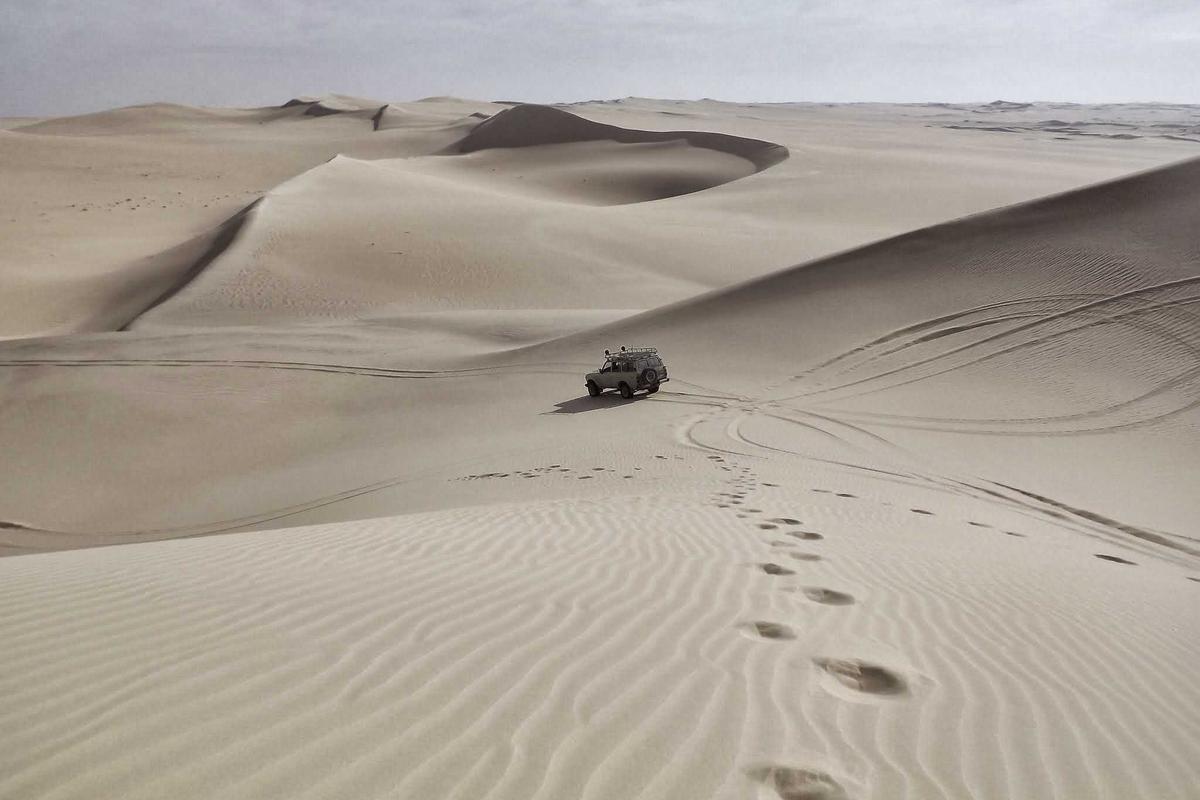
Energy transitions are often discussed in terms of technology, but the fossil record reminds us of the stakes. The carbon we release today will be read in the rocks of the future as a geological event. The Atacama desert, one of the driest places on Earth, was once a cradle of marine life. Now it is a graveyard. The British Museum's bid for these fossils is a bid for memory: to preserve a reminder of what we stand to lose.
However, the auction raises ethical questions. Should these fossils remain in Chile, as part of its national heritage, or can they travel to museums in the global north where they might reach a larger audience? The answer is complex. Science is global, but so is inequality. The same forces that drove the Miocene extinctions are now accelerating the Sixth Extinction, a crisis that demands collective action.
Technological solutions like carbon capture and renewable energy are vital, but they are not sufficient. The whale graveyard is a cautionary tale: nature's systems are interconnected, and tipping points are real. The ocean absorbs 90% of the excess heat from global warming, leading to acidification and deoxygenation. These changes will inevitably affect marine life, and possibly us.
The British Museum's acquisition is a moment for reflection. As we bid for fossils, we must also bid for a sustainable future. The whales of Cerro Ballena are silent witnesses to a world in flux. Their skeletons, locked in time, challenge us to act with both humility and urgency.