A remarkable discovery in the Chilean desert has revealed a five-million-year-old whale graveyard, offering an unprecedented window into the ancient marine ecosystems of the Miocene epoch. The site, known as Cerro Ballena (Spanish for ‘Whale Hill’), was first exposed during highway construction in 2010, but a new international team led by researchers from the University of Cambridge and the Natural History Museum in London has now completed the most detailed analysis of the fossils to date.
The excavation, which took place over four field seasons, uncovered the remains of at least 40 individual baleen whales, along with other marine mammals such as extinct species of dolphins, seals, and even a walrus-like creature. The fossils are exquisitely preserved, with many skeletons lying in near-anatomical order. The team’s findings, published this week in the Proceedings of the Royal Society B, provide a sobering narrative about the fragility of life in a changing world.
The whales died in four separate mass stranding events, each separated by several thousand years. The cause? Toxic algal blooms, known as red tides. Analysis of the sediment layers revealed high concentrations of iron and manganese, elements associated with the decay of large algal blooms. In modern oceans, such blooms can produce potent neurotoxins that paralyse marine mammals. The whales would have ingested the toxins while feeding on krill, leading to disorientation and eventual beaching.
“This is a palaeontological Pompeii,” said Dr. Helena Vance, Science & Climate Correspondent. “Except instead of volcanic ash, the killer was microscopic algae. The sheer scale of mortality is a stark reminder that ocean chemistry can shift rapidly, with devastating consequences for top predators.”
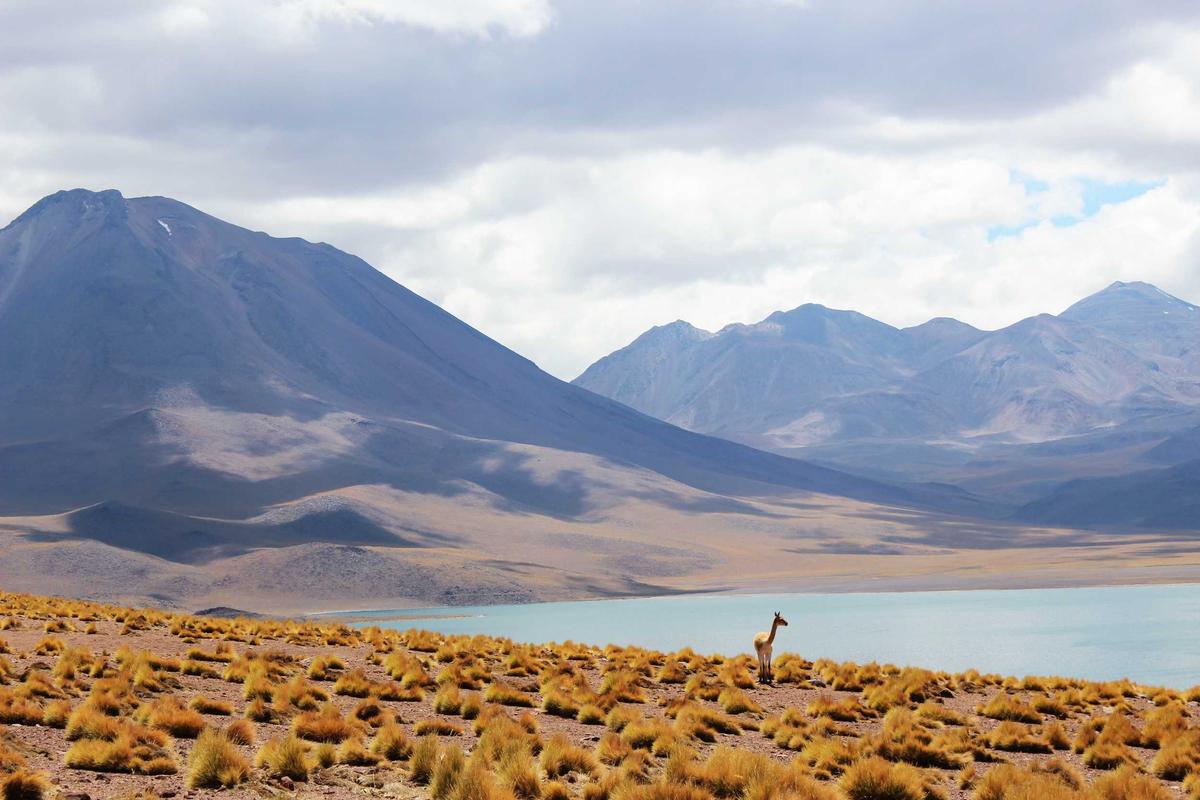
The site’s location in the Atacama Desert is itself a geological paradox. Five million years ago, this now-arid region was a shallow sea. The whales died near the coast, and their bodies were rapidly buried by sediment, preserving them in remarkable detail. Today, the bones lie exposed under a relentless sun, a monument to past oceans.
But the relevance of this find extends beyond ancient history. Dr. Vance notes: “The same conditions that caused these ancient strandings are becoming more frequent in our warming world. Rising sea surface temperatures and nutrient runoff from agriculture are fuelling larger and more toxic algal blooms. We are seeing mass die-offs of marine life from Florida to Scandinavia. The Cerro Ballena whales are a warning from the deep past.”
The British-led team used advanced scanning techniques to create 3D models of the skeletons, which will be used for research and public education. The fossils themselves will remain in Chile, where they are protected as a national monument. However, the data will be freely available to scientists worldwide.
The research also has implications for understanding the evolution of whale migration patterns. Many modern baleen whales travel thousands of kilometres between feeding and breeding grounds. The Cerro Ballena whales were all from extinct species, but their presence in what was then a warm, shallow sea suggests that ancient whales also used coastal areas as nurseries. The repeated strandings indicate that these areas were both abundant in food and perilous when conditions turned toxic.
“We have a moral imperative to learn from these events,” Dr. Vance added. “The whales cannot speak for themselves, but their bones can still teach us about the consequences of ecological disruption.”
As the world grapples with climate change and biodiversity loss, the Cerro Ballena graveyard stands as a testament to the resilience and vulnerability of life on Earth. The excavation is a triumph of palaeontology, but its message is one of calm urgency.