As France swelters under a record-breaking heatwave, with temperatures topping 45°C and the government issuing red alerts for multiple regions, a deeper structural crisis is emerging. The emergency has laid bare the fragility of continental infrastructure, from overwhelmed hospitals to buckling transport networks, while Britain’s own preparedness offers a stark contrast. For those on the ground in Paris, the crisis is not just about mercury levels but about a system creaking under the weight of climate change.
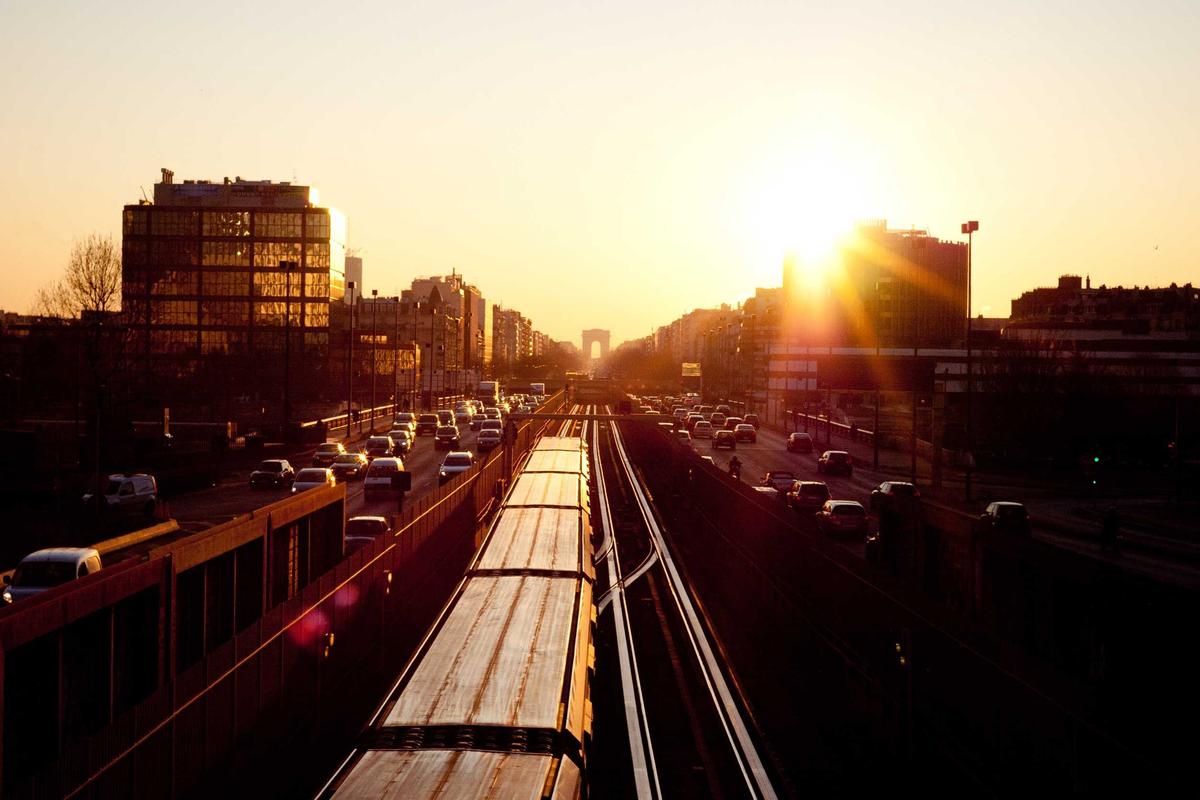
In the city’s 14th arrondissement, elderly residents of a retirement home were evacuated after air conditioning failed. Across the country, rail lines warped, causing delays and cancellations. The electric grid strained, prompting temporary blackouts in parts of Lyon and Marseille. These are not isolated incidents. They reflect a broader European failure to adapt infrastructure to a warming world.
Meanwhile, in London, the response has been notably different. Since the devastating heatwave of 2003, when thousands died, the UK has invested heavily in heatwave planning. The NHS now has mandatory “heatwave plans” for hospitals, with cooling wards and hydration stations. Transport for London monitors rail temperatures and reduces speed proactively. Social services check on at-risk individuals. This isn’t perfect, but it’s a model that has reduced mortality by roughly 30% since the 2003 baseline.
Why the gap? Partly it is cultural. The British civil service learned from past failures, while French bureaucracy has been slow to adapt. Partly it is investment. The UK has spent billions on resilience, from flood defences to cooling centres. France, by contrast, has underinvested in its public infrastructure, leaving hospitals and transport vulnerable.
But there is also a political dimension. The EU’s focus on harmonisation and market liberalisation has often come at the cost of local resilience. National governments are left to manage crises alone, without the backing of a centralised disaster-response fund. The UK, outside the EU, has more flexibility to allocate resources as it sees fit.
Yet the human cost is undeniable. In a Marseille housing block, residents waited hours for water distribution. In a Parisian suburb, a school closed after its roof could not withstand the heat. The emergency reveals not just infrastructure gaps but social inequality. The wealthy retreat to air-conditioned homes; the poor suffer in ill-ventilated apartments.
As the heatwave continues, the question is whether Europe will learn from Britain’s example. For now, the UK’s model stands vindicated, but the lesson is not about national pride. It is about facing the reality of a changing climate. The old ways of doing things are no longer enough. We must adapt, or we will pay the price in lives and livelihoods.