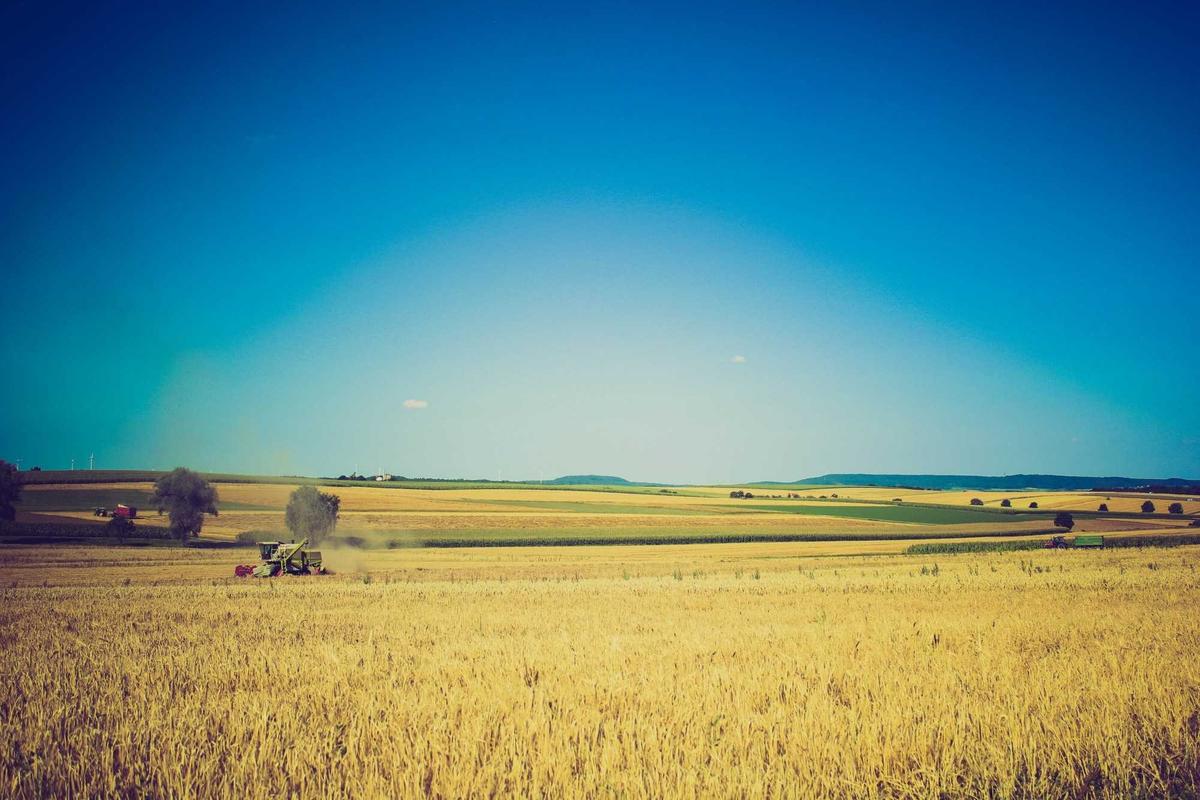
France is in the grip of a powerful wave of civil unrest. The so-called “Giant Banquet” protests, a confluence of farmers, hauliers, and small-scale producers, have paralysed major transport arteries and supply chains across the country. For three weeks, convoys of tractors and livestock trucks have blockaded fuel depots, supermarkets, and ports, demanding a fundamental renegotiation of the European Union’s agricultural and trade policies. The protesters argue that the EU’s push for deregulated imports, tighter environmental regulations, and steeper carbon taxes are crushing domestic producers, rendering French agriculture uncompetitive. The movement has now spread to Belgium, Spain, and Italy, raising the spectre of a full-blown crisis in European food sovereignty.
For Britain, the parallels are stark. Since leaving the EU, the United Kingdom has pursued its own trade deals, most notably with Australia and New Zealand, which allow tariff-free imports of lamb and beef. British farmers face similar pressures: rising input costs, post-Brexit labour shortages, and a government that seems to prioritise low consumer prices over domestic production. The French protests serve as a cautionary tale. If France, the EU’s agricultural powerhouse, can be brought to its knees by a coalition of producers, what hope for Britain’s already fragile rural economy?
The demands of the Giant Banquet protesters are explicitly protectionist. They call for the suspension of the EU’s Mercosur trade agreement, which would allow large volumes of South American beef and poultry into the European market. They also demand a rollback of the EU’s Farm to Fork strategy, with its compulsory pesticide reductions and carbon taxes. The underlying sentiment is a deeply felt betrayal: farmers believe they are being sacrificed on the altar of climate policy and free trade. The data supports their grievance. Over the past decade, France has lost 25% of its farms. The average age of a French farmer is now 57. Without structural intervention, the industry will wither.
Britain’s farming sector is following a similar trajectory. Since the Brexit referendum, UK agricultural income has fallen by 20%, and the number of farm holdings has dropped by 5%. The UK’s Agricultural Bill, intended to replace EU subsidies with payments for public goods, has left many farmers uncertain. The first year of the Environmental Land Management scheme saw fewer than 1% of farms enrolled. Meanwhile, food inflation remains high, and the government is considering further trade liberalization to lower costs. The tension is palpable: either protect domestic producers, or accept a future of imported, cheaply produced food with lower standards.
What the French protests demonstrate is that food sovereignty is not an abstract concept. It is about whether a nation can feed itself in a crisis. During the Covid-19 pandemic, supply chains buckled. The war in Ukraine exposed vulnerabilities in grain and fertiliser imports. The energy crisis revealed the fragility of heated greenhouses and cold storage. Yet the UK government’s response has been piecemeal. The National Food Strategy, published in 2021, called for a stronger emphasis on domestic production, but its recommendations have been largely ignored. Labour has promised a “British farming renaissance”, but the details remain vague.
The French government, under President Macron, has responded to the protests with billions in subsidies. They have frozen diesel taxes, offered emergency loans, and promised to renegotiate EU tariff quotas. But these are band-aids. The structural problem remains: the EU and UK have committed to net-zero emissions by 2050, a goal that will require massive changes in farming practices. Methane-reducing feed additives, precision agriculture, and vertical farming all offer hope, but they come with costs that many smallholders cannot bear. The risk is that the green transition widens the gap between industrial agriculture and artisan producers, accelerating the consolidation of land and capital.
For Britain’s rural communities, the French protests are a warning. The countryside is not just a backdrop; it is a system that produces food, manages landscapes, and stores carbon. When farmers block roads, it is a symptom of a deeper fracture. The government must recognise that food security is a strategic asset, and that cheap food has a hidden cost: the erasure of rural livelihoods, the degradation of soils, and the vulnerability of supply chains. The Giant Banquet protests could easily appear in Britain. It will take more than subsidies to prevent them. It will require a reimagination of what farming is for, and a willingness to accept that sovereignty sometimes means paying more for food grown at home.