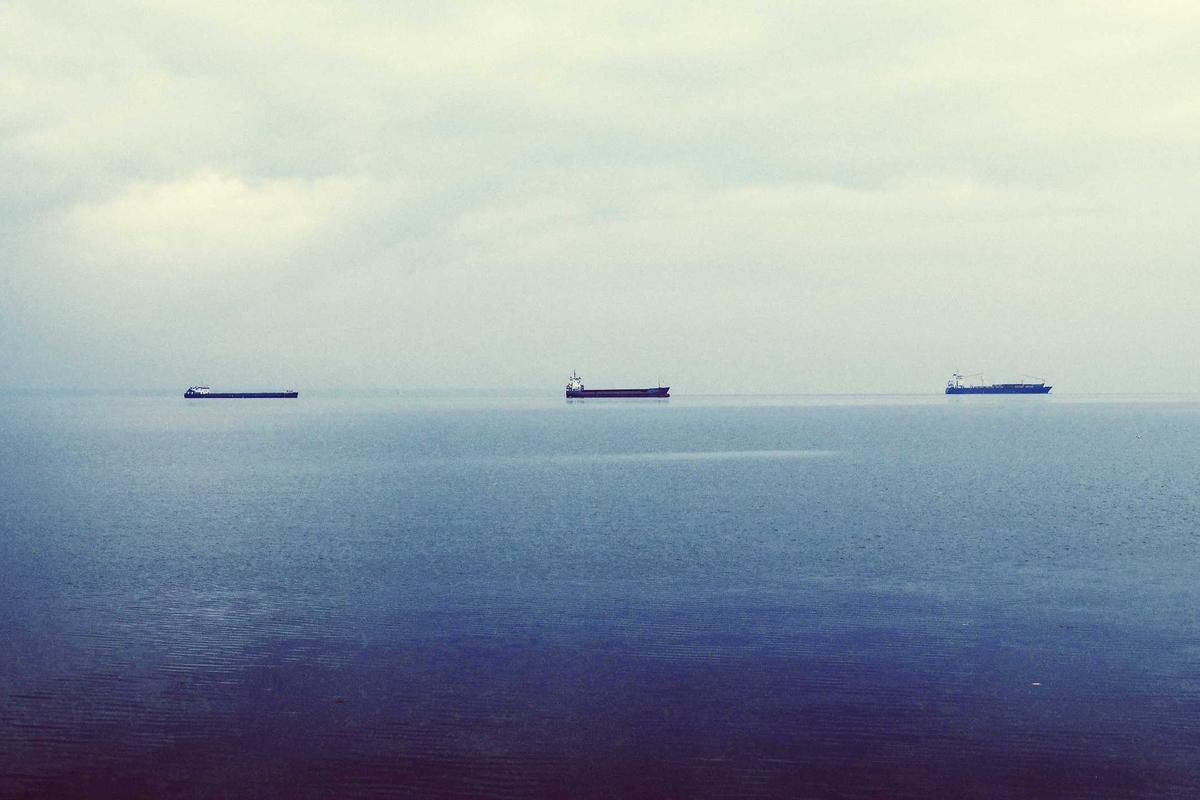
Fuel sales have been suspended across the Russian-occupied Crimean peninsula following a series of Ukrainian drone and missile strikes on key oil storage facilities, satellite data confirms. The disruption, which began on Tuesday, has effectively cut off petrol and diesel supplies to civilian and military consumers in the region, raising acute concerns in London about the knock-on effects on global energy markets and British energy security.
The strikes targeted the Feodosia oil terminal, a critical node for Russian fuel distribution in the Black Sea, and the Kerch fuel depot near the bridge linking Crimea to the Russian mainland. Thermal imagery from the European Space Agency's Sentinel-2 satellites shows persistent hotspots at both locations, with firefighting efforts ongoing. The Ukrainian military's General Staff stated that the operations were part of a broader strategy to degrade Russian logistical capacity in occupied territories.
Dr. Helena Vance, Science & Climate Correspondent: The physics of this situation is brutally simple. Disrupting oil infrastructure in a region that serves as a logistics hub for Russia's southern forces creates immediate fuel shortages. But the vectors of impact extend far beyond the battlefield. The Crimean terminals are not just military assets; they are part of a globalised energy web. When you cut a node, the entire network flexes.
For the United Kingdom, the primary concern is the tightening of global diesel markets. The UK imports approximately 10% of its diesel from Russia, though trade sanctions have reduced direct flows. However, the price of diesel on the Rotterdam benchmark, which influences UK pump prices, rose 3.2% on Wednesday morning. The UK's National Infrastructure Commission has warned that any further supply shocks could push heating and transport costs higher this winter, exacerbating cost-of-living pressures.
The suspension of fuel sales in Crimea also has direct implications for energy infrastructure security across Europe. The attack method used by Ukraine, a combination of long-range loitering munitions and sea drones, is now a demonstrated threat to any coastal oil terminal. UK energy operators are reassessing their own vulnerability, particularly at the Humber refinery complex, which handles 20% of the country's crude oil. The British government is not publicly commenting on the strikes, but diplomatic sources indicate that the Foreign Office has updated contingency plans for energy price spikes.
This is not a singular event but part of a pattern. Over the past six months, Ukraine has systematically targeted Russian energy infrastructure, including refineries, pipelines, and storage depots. The cumulative effect is a slow-motion decapitation of Russia's ability to generate revenue from oil exports. For the UK, which is committed to a net-zero energy transition by 2050, the immediate concern is bridging the gap between now and a renewable future without succumbing to price volatility.
Dr. Vance continues: The biosphere is sending us signals of its own. The rapid warming we are observing, with 2024 on track to be the hottest year on record, is driven by fossil fuel combustion. Every disruption to oil supply chains is a reminder that we are addicted to a resource that is both geopolitically unstable and climatically catastrophic. The UK's energy security is not just about avoiding price spikes; it is about accelerating the transition to solar, wind, and storage before these shocks become permanent. The physical reality is that we cannot drill our way out of this. Resilience comes from diversification, not from defending supply lines.
The Crimean fuel halt is a tactical blow in a war that is reshaping global energy architecture. For British consumers, the immediate impact may be a slight rise in fuel costs, but the longer-term lesson is that energy security in a warming world requires a fundamental rethink. The British government has announced a new taskforce to review critical national infrastructure resilience, but the race is on to build a system that can withstand both physical and geopolitical shocks.